Temperature control is the invisible key that unlocks successful vegetable cultivation and preservation. Whether you’re a seasoned gardener or just starting your journey, understanding optimal temperature ranges can transform your harvest from mediocre to magnificent.

Every vegetable has its sweet spot—a specific temperature range where it thrives, develops flavor, and maintains nutritional value. Getting this right means the difference between crisp, vibrant produce and disappointing results. Let’s dive deep into mastering these critical temperature parameters for both growing and storing your vegetables.
🌱 Why Temperature Matters More Than You Think
Temperature affects every aspect of a vegetable’s life cycle. During growth, it influences germination rates, photosynthesis efficiency, nutrient uptake, and even pest resistance. After harvest, proper temperature storage determines how long your vegetables remain fresh, nutritious, and delicious.
Many gardeners focus exclusively on watering schedules and soil quality while overlooking temperature management. This oversight can lead to bolting lettuce in summer, stunted tomato growth in cool springs, or rapidly spoiling harvests in improperly cooled storage areas.
Understanding Cool-Season vs Warm-Season Vegetables
Vegetables fall into two primary categories based on their temperature preferences. Recognizing which category your crops belong to is the foundation of successful temperature management.
Cool-Season Champions 🥬
Cool-season vegetables thrive in temperatures between 55°F and 75°F (13°C to 24°C). These hardy plants tolerate frost and actually prefer cooler weather. Many develop better flavor when exposed to light frost, which converts starches to sugars.
Popular cool-season vegetables include lettuce, spinach, kale, broccoli, cabbage, peas, carrots, and radishes. These crops perform best when planted in early spring or late summer for fall harvest.
For germination, most cool-season crops prefer soil temperatures between 40°F and 75°F (4°C to 24°C). Spinach seeds, for example, can germinate in soil as cool as 35°F (2°C), though they’ll sprout faster around 70°F (21°C).
Warm-Season Warriors 🍅
Warm-season vegetables demand higher temperatures, typically thriving between 70°F and 85°F (21°C to 29°C). These heat-loving plants originated in tropical and subtropical regions and cannot tolerate frost.
This category includes tomatoes, peppers, eggplants, cucumbers, squash, melons, and beans. Plant these only after all danger of frost has passed and soil has warmed adequately.
Soil temperature for warm-season crops is critical. Most require minimum soil temperatures of 60°F to 65°F (16°C to 18°C) for germination, with optimal ranges between 75°F and 95°F (24°C to 35°C). Planting too early in cold soil leads to seed rot and fungal problems.
Optimal Growing Temperature Ranges: A Comprehensive Guide
Let’s break down specific temperature requirements for popular vegetables during their growing phase. These ranges represent daytime temperatures unless otherwise noted.
Leafy Greens and Brassicas
Lettuce grows best between 60°F and 70°F (15°C to 21°C). Above 75°F (24°C), lettuce becomes bitter and bolts quickly. For continuous harvest, plant varieties suited to your season or provide afternoon shade during hot periods.
Spinach prefers 50°F to 70°F (10°C to 21°C). This superfood actually tastes sweeter after exposure to temperatures near 32°F (0°C), making it perfect for fall and early spring gardens.
Kale and collards thrive between 60°F and 70°F (15°C to 21°C) but tolerate a wider range than most greens. They can withstand temperatures down to 20°F (-7°C) once established, and frost improves their flavor.
Broccoli and cauliflower prefer 65°F to 75°F (18°C to 24°C). Temperature consistency matters tremendously for these crops—fluctuations can cause buttoning (premature heading) or hollow stems.
Fruiting Vegetables 🌶️
Tomatoes perform optimally between 70°F and 85°F (21°C to 29°C) during the day, with nighttime temperatures ideally between 60°F and 70°F (15°C to 21°C). When nighttime temperatures stay above 75°F (24°C), fruit set decreases significantly. Below 55°F (13°C), growth slows dramatically and fruit may develop poorly.
Peppers enjoy similar ranges but are slightly more heat-tolerant. They thrive at 70°F to 90°F (21°C to 32°C) during the day. Bell peppers prefer the cooler end of this spectrum, while hot peppers often appreciate temperatures up to 95°F (35°C).
Eggplants are true heat lovers, performing best between 75°F and 90°F (24°C to 32°C). They’re extremely sensitive to cold—exposure to temperatures below 50°F (10°C) can cause permanent growth stunting and reduced yields.
Cucumbers grow vigorously between 70°F and 85°F (21°C to 29°C). Below 60°F (15°C), growth slows and plants become susceptible to diseases. Above 90°F (32°C), especially with low humidity, they may stop setting fruit.
Root Vegetables and Alliums
Carrots prefer 60°F to 70°F (15°C to 21°C). While they tolerate frost once established, germination requires consistent soil temperatures between 50°F and 85°F (10°C to 29°C), with optimal germination at 80°F (27°C).
Beets thrive between 60°F and 75°F (15°C to 24°C). They’re remarkably adaptable and can tolerate light frosts, making them excellent for extended growing seasons.
Onions prefer 55°F to 75°F (13°C to 24°C) for leaf growth. However, bulb formation is triggered by day length rather than temperature alone, so select varieties appropriate for your latitude.
Legumes
Peas prefer cool conditions, growing best between 55°F and 70°F (13°C to 21°C). They stop producing when temperatures consistently exceed 75°F (24°C). Plant them early in spring or in late summer for fall crops.
Beans are warm-season crops thriving between 70°F and 85°F (21°C to 29°C). They’re extremely frost-sensitive and won’t germinate in soil cooler than 60°F (16°C). Wait until soil warms thoroughly before planting.
Temperature Management Techniques for Growing Success 🌡️
Understanding optimal ranges is only half the battle. Implementing strategies to maintain these temperatures maximizes your success.
Spring Temperature Boosters
Season extension techniques help warm-season crops thrive when planted early. Black plastic mulch raises soil temperature by 5°F to 10°F (3°C to 6°C), accelerating growth and earlier harvests for crops like tomatoes and peppers.
Row covers create mini-greenhouses that trap heat while protecting plants from frost. Lightweight floating row covers add 2°F to 4°F (1°C to 2°C) of protection, while heavier covers provide 4°F to 8°F (2°C to 4°C).
Cold frames and low tunnels offer more substantial protection, extending the growing season by several weeks on both ends. These structures can maintain temperatures 10°F to 20°F (6°C to 11°C) warmer than ambient conditions.
Summer Cooling Strategies
When temperatures soar, cool-season crops need protection. Shade cloth reduces light intensity and temperature by providing 30% to 50% shade. Install it over lettuce, spinach, and brassicas during peak summer months.
Strategic planting locations make a difference. Position heat-sensitive crops where they receive morning sun but afternoon shade from taller plants, trellises, or structures.
Adequate irrigation helps moderate soil temperature. Well-watered soil stays cooler than dry soil because water has higher heat capacity. Mulching with organic materials also insulates soil from temperature extremes.
Harvesting at the Right Temperature
The temperature at harvest time affects post-harvest quality. Vegetables harvested during the coolest part of the day—early morning after dew dries—generally store better and longer.
Morning harvesting allows vegetables to benefit from overnight cooling while turgor pressure (cell fullness) is highest, resulting in crisper, firmer produce. Avoid harvesting during afternoon heat, when vegetables are stressed and quality declines.
Get harvested vegetables cooled quickly. The rate of quality loss doubles with every 18°F (10°C) increase in temperature. This “field heat” removal is critical, especially for highly perishable items like lettuce, spinach, and sweet corn.
Storage Temperature Mastery: Preserving Your Harvest 🧊
Proper storage temperature dramatically extends vegetable shelf life while maintaining nutritional value and flavor. Different vegetables require different conditions.
Cold Storage (32°F to 40°F / 0°C to 4°C)
Most vegetables benefit from cold storage near freezing. This range significantly slows respiration, water loss, and decay.
Leafy greens like lettuce, spinach, and kale store best at 32°F to 34°F (0°C to 1°C) with high humidity (95-100%). Under these conditions, they remain fresh for one to two weeks.
Brassicas including broccoli, cauliflower, and cabbage prefer 32°F to 35°F (0°C to 2°C). Cabbage can last several months at these temperatures, while broccoli and cauliflower remain optimal for two to three weeks.
Root vegetables like carrots, beets, and turnips store excellently at 32°F to 35°F (0°C to 2°C) with high humidity. Remove greens before storage to prevent moisture loss through the leaves. Properly stored, these roots can last three to five months.
Asparagus and sweet corn are highly perishable and should be stored at 32°F to 34°F (0°C to 1°C). Sweet corn loses sweetness rapidly as sugars convert to starch, even under refrigeration.
Cool Storage (40°F to 50°F / 4°C to 10°C)
Some vegetables suffer from chilling injury when stored too cold. These require slightly warmer conditions.
Cucumbers store best at 45°F to 50°F (7°C to 10°C). Below 40°F (4°C), they develop water-soaked areas, pitting, and accelerated decay. They’ll keep one to two weeks under proper conditions.
Summer squash and zucchini also prefer 45°F to 50°F (7°C to 10°C). Like cucumbers, they’re sensitive to chilling injury and shouldn’t be refrigerated in standard refrigerators.
Beans (snap and green beans) store optimally at 40°F to 45°F (4°C to 7°C). They’ll last about seven days before quality declines noticeably.
Peppers do best at 45°F to 50°F (7°C to 10°C). While they tolerate standard refrigeration temporarily, extended cold exposure causes pitting and softening.
Warm Storage (50°F to 60°F / 10°C to 15°C)
Certain vegetables are highly sensitive to cold and require relatively warm storage conditions.
Tomatoes should never be refrigerated if you want to maintain flavor and texture. Store them at 55°F to 60°F (13°C to 15°C) until fully ripe, then use within a few days. Refrigeration destroys flavor compounds and creates mealy texture.
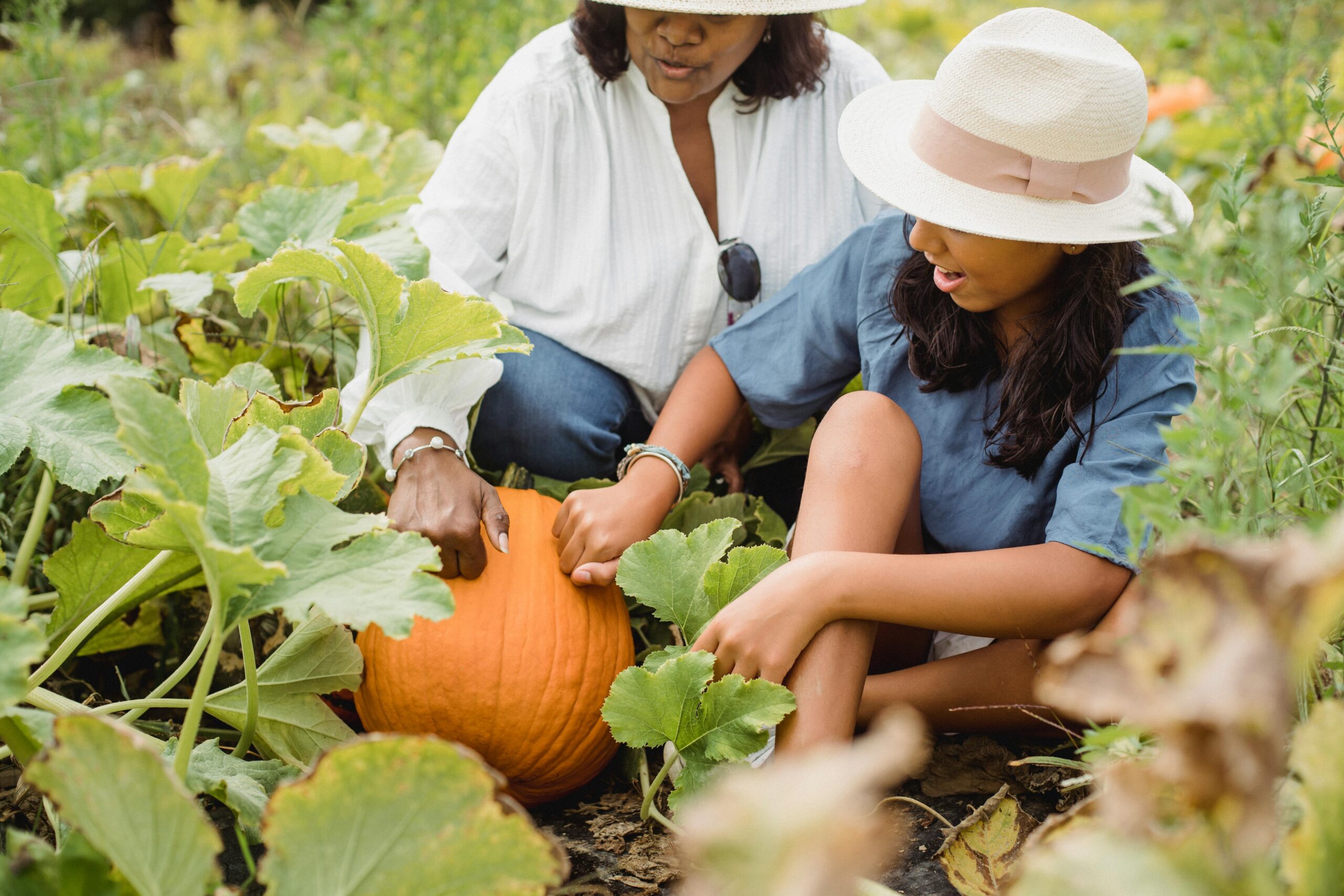
Winter squash and pumpkins store best at 50°F to 55°F (10°C to 13°C) with moderate humidity (50-70%). Under these conditions, many varieties keep for two to six months. Warmer temperatures accelerate decay, while colder temperatures cause chilling injury.
Sweet potatoes require 55°F to 60°F (13°C to 15°C) and relatively high humidity. They’re extremely cold-sensitive—temperatures below 50°F (10°C) cause internal discoloration and hard cores.
Eggplant stores at 50°F to 54°F (10°C to 12°C). It’s highly perishable and very sensitive to chilling, making it challenging to store long-term. Use within a week of harvest.
Room Temperature Storage
A few vegetables actually prefer room temperature storage, especially when underripe.
Potatoes store best at 45°F to 50°F (7°C to 10°C) in dark conditions. Warmer temperatures promote sprouting, while temperatures below 40°F (4°C) convert starches to sugars, creating an undesirable sweet taste. Never refrigerate potatoes.
Onions and garlic require cool, dry conditions around 55°F to 60°F (13°C to 15°C) with low humidity (50-60%). Proper curing before storage is essential. Well-cured bulbs in ideal conditions can last six months or longer.
Creating Optimal Storage Environments at Home
Not everyone has access to professional cold storage, but you can create effective storage zones in your home.
Standard refrigerators typically maintain 35°F to 38°F (2°C to 3°C), suitable for most cold-storage vegetables. Use the crisper drawers with humidity controls—set high humidity for leafy greens and low humidity for items prone to moisture damage.
Wine refrigerators or beverage coolers can be repurposed for vegetables requiring temperatures warmer than standard refrigeration. These often maintain 45°F to 55°F (7°C to 13°C), perfect for peppers, cucumbers, and summer squash.
Unheated basements, garages, or mudrooms often naturally maintain 50°F to 60°F (10°C to 15°C) during cool months, creating ideal root cellars for winter squash, potatoes, and onions.
For small-scale gardeners, insulated coolers with ice packs can serve as temporary cold storage after harvest, helping remove field heat before transferring vegetables to permanent storage.
Common Temperature-Related Problems and Solutions 🔧
Recognizing temperature-related issues helps you correct problems before significant damage occurs.
Bolting in Cool-Season Crops
When lettuce, spinach, or brassicas flower prematurely, temperature stress is often the culprit. This occurs when temperatures rise above optimal ranges, signaling the plant to complete its life cycle.
Prevention involves planting at appropriate times, choosing bolt-resistant varieties, and providing shade during temperature spikes. Once bolting begins, harvest immediately as quality declines rapidly.
Blossom End Rot
This common tomato and pepper problem appears as dark, sunken spots on fruit bottoms. While calcium deficiency is the immediate cause, temperature stress disrupts calcium uptake and transport.
Wide temperature fluctuations and excessive heat interfere with water movement in plants, preventing calcium from reaching developing fruits. Maintain consistent soil moisture and avoid extreme temperature swings.
Poor Fruit Set
When tomatoes, peppers, or beans flower profusely but produce little fruit, temperature is frequently responsible. Most fruiting vegetables have specific temperature ranges for successful pollination.
Tomatoes drop flowers when nighttime temperatures exceed 75°F (24°C) or fall below 55°F (13°C). Peppers similarly struggle with fruit set outside their optimal range. Plant appropriately timed varieties and consider shade during extreme heat.
Monitoring Tools Every Grower Needs 📊
Accurate temperature monitoring transforms guesswork into precision growing. Invest in quality tools for both garden and storage areas.
Soil thermometers are essential for determining planting times. Probe-style thermometers inserted 2-4 inches deep give accurate soil temperature readings where seeds germinate.
Digital min-max thermometers track temperature ranges over time, revealing whether your storage areas maintain appropriate conditions. Place them in refrigerators, cold frames, and storage rooms.
Wireless temperature sensors with smartphone connectivity provide real-time monitoring and alerts. These are particularly valuable for greenhouses and cold frames where temperatures can fluctuate rapidly.
Infrared thermometers offer non-contact temperature measurement, useful for checking leaf surface temperatures during heat stress or monitoring multiple storage locations quickly.
Seasonal Considerations and Climate Adaptation 🌍
Your local climate determines which temperature management strategies matter most. Gardeners in different regions face unique challenges.
Hot climate gardeners should focus on cooling strategies, shade provision, and selecting heat-tolerant varieties. Consider growing cool-season crops during winter months when temperatures moderate.
Cold climate gardeners benefit from season extension techniques like cold frames, row covers, and black plastic mulch. Focus on short-season varieties and succession planting to maximize warm weather.
Temperate zone gardeners can grow both cool and warm-season crops by timing plantings appropriately. Spring and fall provide ideal conditions for cool-season vegetables, while summer suits heat-lovers.
Final Thoughts on Temperature Mastery
Temperature control represents one of the most powerful yet underutilized tools in vegetable cultivation and storage. By understanding optimal ranges and implementing appropriate management strategies, you’ll experience dramatic improvements in both crop performance and post-harvest quality.
Start by accurately identifying your vegetables’ temperature preferences, then observe how they respond to your local conditions. Keep detailed records of planting dates, temperature ranges, and outcomes to refine your approach each season.
Remember that temperature interacts with other factors like moisture, nutrients, and light. A holistic approach considering all these elements produces the best results. However, getting temperature right creates the foundation upon which all other factors build.
Whether you’re germinating seeds, nurturing growing plants, or preserving your harvest, temperature consciousness will elevate your gardening success. The investment of time and attention to these thermal details pays dividends in abundant, flavorful harvests and extended storage life that lets you enjoy your garden’s bounty for months to come.