Starting seeds at home transforms your gardening experience, giving you control over varieties, timing, and the entire growing process from the very beginning.

Understanding temperature requirements is the cornerstone of successful seed germination. Every seed has an ideal temperature range where it thrives, and matching these conditions to your available growing spaces can mean the difference between a flourishing garden and disappointing results. Whether you’re working with a heated greenhouse, a sunny windowsill, or an outdoor cold frame, knowing which seeds perform best at different temperatures empowers you to maximize your garden’s potential throughout the entire growing season.
🌡️ Understanding the Temperature Sweet Spot for Seed Germination
Temperature directly influences germination rates, seedling vigor, and ultimate plant health. Seeds contain enzymes that activate during germination, and these biological processes only function within specific temperature ranges. Too cold, and seeds remain dormant or rot; too hot, and they may become damaged or fail to sprout altogether.
Most seeds fall into three broad temperature categories: cool-season crops that germinate best between 55-65°F, warm-season varieties preferring 70-80°F, and heat-loving plants requiring 80-90°F or higher. Within these ranges, each species has an optimal point where germination happens fastest and most uniformly.
Soil temperature matters more than air temperature for seed starting. A soil thermometer becomes an invaluable tool for serious gardeners, providing accurate readings that predict germination success far better than ambient air measurements. Even a few degrees can significantly impact your results.
Cool-Season Champions: Seeds That Thrive in Lower Temperatures (50-65°F)
Cool-season vegetables actually prefer cooler conditions and often struggle when temperatures climb too high. These are your early spring and fall garden superstars, capable of tolerating light frosts and even improving in flavor after cold exposure.
Leafy Greens and Brassicas 🥬
Lettuce, spinach, arugula, and Asian greens germinate reliably at temperatures as low as 40°F, with optimal germination occurring between 55-65°F. These seeds often fail to germinate in temperatures above 75°F, entering a heat-induced dormancy that protects them from sprouting during unfavorable conditions.
Brassicas including broccoli, cabbage, cauliflower, kale, and Brussels sprouts perform exceptionally well in the 60-70°F range. Start these indoors 6-8 weeks before your last frost date, or direct seed them outdoors in early spring or late summer for fall harvests.
Root Vegetables for Early Harvests
Carrots, beets, radishes, and turnips all appreciate cooler soil temperatures. Radishes particularly excel in cool conditions, germinating in as little as 3-5 days at 60°F. Carrots take longer but establish better root systems when started in temperatures between 55-75°F.
Peas represent another cool-season favorite, germinating best at 55-65°F. Both snap peas and snow peas can tolerate soil temperatures as low as 40°F, making them among the earliest crops you can direct seed outdoors.
Alliums and Hardy Herbs
Onions, leeks, and chives germinate reliably at 60-70°F, though they tolerate a wide range. Cilantro, parsley, and dill also prefer cooler starting temperatures, with cilantro particularly prone to bolting when temperatures exceed 75°F during its early growth stages.
Moderate Temperature Zone: Versatile Seeds for 65-75°F Conditions
This middle temperature range offers the most flexibility for home gardeners, as it’s easily achievable indoors without specialized heating equipment and represents typical spring conditions in many regions.
Transitional Vegetables
Certain crops bridge the gap between cool and warm seasons. Swiss chard, celery, and many herbs including oregano, thyme, and chamomile germinate successfully in this moderate range. These plants establish well during spring’s warming trend and often continue producing through summer heat.
Some flowers also thrive in these conditions. Snapdragons, calendula, bachelor’s buttons, and pansies all germinate reliably at 65-70°F, making them perfect for early spring color that transitions beautifully as temperatures rise.
Warm-Season Favorites: Seeds Requiring 70-80°F for Success 🌱
Once soil and air temperatures stabilize above 65°F, it’s time to shift focus to warm-season crops. These plants originated in tropical and subtropical regions and require consistently warm conditions for germination and growth.
Solanaceae Family Superstars
Tomatoes, peppers, and eggplants represent the backbone of summer gardens, and all require warm temperatures for successful germination. Tomatoes germinate best at 75-85°F, with germination occurring in 5-7 days under optimal conditions but taking 2-3 weeks at temperatures below 60°F.
Peppers are even more temperature-sensitive, requiring 75-80°F for reliable germination. Sweet peppers tolerate slightly cooler conditions than hot peppers, but both benefit tremendously from consistent warmth. Many gardeners find that pepper germination improves dramatically with bottom heat provided by seedling heat mats.
Eggplants demand the warmest conditions among common nightshades, preferring 80-85°F for germination. Starting these indoors 8-10 weeks before your last frost date ensures they’re ready to transplant when soil temperatures reach their minimum 70°F requirement.
Cucurbits and Warm-Weather Vine Crops
Cucumbers, summer squash, and zucchini germinate quickly at 75-85°F, often sprouting within 3-5 days under optimal conditions. These seeds are prone to rotting in cool, wet soil, so patience pays off when direct seeding outdoors.
Winter squash, pumpkins, and melons also appreciate warm starting temperatures. Watermelons particularly benefit from temperatures around 80-85°F, with germination rates dropping significantly below 70°F.
Legumes for Summer Harvests
Bush beans and pole beans germinate best at 70-80°F, with poor performance in soils below 60°F. Lima beans require even warmer conditions, preferring 75-85°F and often rotting in cooler soils.
Heat-Loving Varieties: Seeds That Demand 80-90°F+ Temperatures 🔥
Some plants evolved in truly tropical environments and require substantial heat for germination. These crops challenge gardeners in cooler climates but reward patience with unique flavors and exceptional productivity.
Tropical Vegetables and Herbs
Okra thrives in temperatures that make other plants wilt, germinating best at 85-95°F. Direct seeding works well in regions with hot summers, but northern gardeners benefit from starting seeds indoors with supplemental heat.
Basil, despite its popularity, requires warmer conditions than many realize. Optimal germination occurs at 75-85°F, and seedlings sulk or die when exposed to temperatures below 50°F. Thai basil and African blue basil demand even warmer conditions.
Sweet potato slips propagate best at 75-85°F in both soil and air temperature. While technically not seed starting, the process of creating transplants from sweet potato roots follows similar temperature requirements.
Specialty Crops for Adventurous Gardeners
Ginger and turmeric rhizomes require consistent temperatures of 75-85°F for sprouting, along with high humidity. These long-season crops challenge temperate gardeners but offer rewarding harvests when conditions align.
Lemongrass, a beloved culinary herb, germinates best at 70-80°F but grows most vigorously when temperatures remain consistently above 75°F. Many gardeners find greater success starting lemongrass from purchased stalks rather than seeds.
Creating Optimal Temperature Conditions in Different Growing Environments
Understanding ideal temperatures is only half the equation; creating and maintaining those conditions requires thoughtful planning and sometimes modest investments in equipment.
Indoor Seed Starting Solutions ✨
Most homes maintain temperatures between 68-72°F, suitable for many moderate and warm-season crops but too warm for cool-season varieties and too cool for heat lovers. Strategic placement addresses some needs—cooler rooms or basements for lettuce and brassicas, warmer locations near heating vents for tomatoes and peppers.
Seedling heat mats revolutionize germination success for warm and heat-loving crops. These waterproof mats raise soil temperature 10-20°F above ambient air temperature, dramatically improving germination rates and speed. Position them under seed trays and remove them once germination occurs, as most seedlings prefer slightly cooler conditions for growth than for germination.
Thermostatically controlled heat mats offer precision, automatically maintaining target temperatures regardless of ambient fluctuations. This consistency produces uniform germination and healthier seedlings.
Greenhouse and Cold Frame Strategies
Greenhouses capture solar energy, creating warmer conditions than outdoors even without supplemental heating. However, temperatures fluctuate dramatically between day and night, and between sunny and cloudy days.
Cold frames function as miniature greenhouses, protecting early spring seedlings while moderating temperature extremes. Crack the lid open during warm days to prevent overheating, and close it at night to retain warmth.
Thermal mass stabilizes temperature swings in both environments. Water-filled containers absorb excess heat during the day and release it at night, creating more consistent conditions for germinating seeds.
Outdoor Direct Seeding Timing
Soil temperature determines outdoor seeding success more than calendar dates. Regional variations in climate make specific dates meaningless, but temperature guidelines remain universally applicable.
Invest in a soil thermometer and monitor temperatures at seed depth—typically 1-2 inches for most vegetables. Take readings in the morning after several consecutive days of similar weather for accurate assessments.
Row covers and plastic mulch warm soil more quickly in spring, advancing planting dates by 1-2 weeks. Black plastic provides maximum warming, while clear plastic offers even better heat gain but requires weed management.
Troubleshooting Common Temperature-Related Germination Problems
Even experienced gardeners encounter germination challenges. Temperature issues frequently underlie mysterious failures.
Slow or Non-Existent Germination
When seeds fail to sprout within expected timeframes, temperature is the primary suspect. Excessively cool conditions slow germination dramatically—tomato seeds that sprout in 5 days at 75°F may take three weeks at 60°F, if they germinate at all.
Conversely, excessive heat damages seeds or triggers dormancy. Lettuce and spinach refuse to germinate above 75-80°F, a mechanism protecting them from sprouting during unsuitable growing conditions.
Leggy, Weak Seedlings
While light deficiency causes most leggy seedlings, temperature contributes when seedlings grow in excessively warm conditions without adequate light. The combination stimulates rapid, weak growth as plants stretch desperately toward insufficient light.
After germination, most seedlings prefer temperatures 5-10°F cooler than their germination optimum. This encourages stocky, strong growth rather than weak stretching.
Damping Off and Fungal Issues
Cool, wet conditions promote damping off, a fungal disease that kills seedlings at the soil line. Warm temperatures combined with good air circulation reduce this risk significantly. Bottom heat keeps soil warm even when air temperature drops, maintaining conditions unfavorable for fungal pathogens.
Advanced Techniques for Temperature-Optimized Seed Starting 🎯
Once you’ve mastered basic temperature management, advanced techniques fine-tune results and expand your growing capabilities.
Stratification for Improved Germination
Some seeds require cold stratification—a period of moist cold treatment that breaks dormancy. Many perennials, trees, and native plants evolved this mechanism to prevent germination during fall, ensuring seedlings emerge during favorable spring conditions.
Stratify seeds by mixing them with moist vermiculite or sand in sealed plastic bags, then refrigerating for periods ranging from two weeks to three months depending on species. Afterward, provide normal warm germination temperatures.
Scarification Combined with Temperature Control
Hard-coated seeds including morning glories, sweet peas, and okra germinate faster when scarified—their seed coats mechanically weakened by rubbing with sandpaper or nicking with a knife. Combine scarification with optimal temperature for maximum germination speed.
Succession Planting Temperature Strategies
Maximize harvests through succession planting—sowing new crops every 2-3 weeks. Temperature awareness guides timing; start cool-season crops intensively during spring’s ideal temperature window, then switch completely to warm-season varieties as temperatures rise.
Resume cool-season planting in mid-to-late summer for fall harvests, timing sowings so crops mature during autumn’s cooling temperatures rather than summer’s peak heat.
Seasonal Planning Guide for Temperature-Based Seed Starting
Successful gardeners plan their seed starting calendar around temperature progression rather than arbitrary dates, creating a personalized schedule based on their local climate patterns and available growing spaces.
Late Winter Indoor Starting (8-12 Weeks Before Last Frost)
Begin onions, leeks, and slow-growing herbs like rosemary and lavender. These cold-tolerant plants develop slowly and benefit from early starts. Indoor temperatures of 65-70°F work perfectly without supplemental heating.
Early Spring Push (6-8 Weeks Before Last Frost)
Start brassicas, lettuce, and other cool-season crops indoors or in unheated greenhouses. Simultaneously begin warm-season crops like tomatoes and peppers indoors with heat mats, giving them time to develop before transplanting into warming gardens.
Spring Transition (2-4 Weeks Before Last Frost)
Direct seed cool-season crops outdoors when soil temperatures reach 40-50°F. Start warm-season crops like cucumbers and squash indoors, timing them for outdoor transplanting after frost danger passes.
Early Summer Planting (After Last Frost)
Direct seed heat-loving crops like beans, okra, and basil when soil temperatures stabilize above 65-70°F. Start succession plantings of warm-season crops for continuous harvests.
Midsummer Planning (60-90 Days Before First Frost)
Start cool-season crops for fall gardens, either indoors with cooling strategies or in shaded outdoor locations. Calculate days to maturity and count backward from your first expected frost date.
Monitoring and Recording for Continuous Improvement 📊
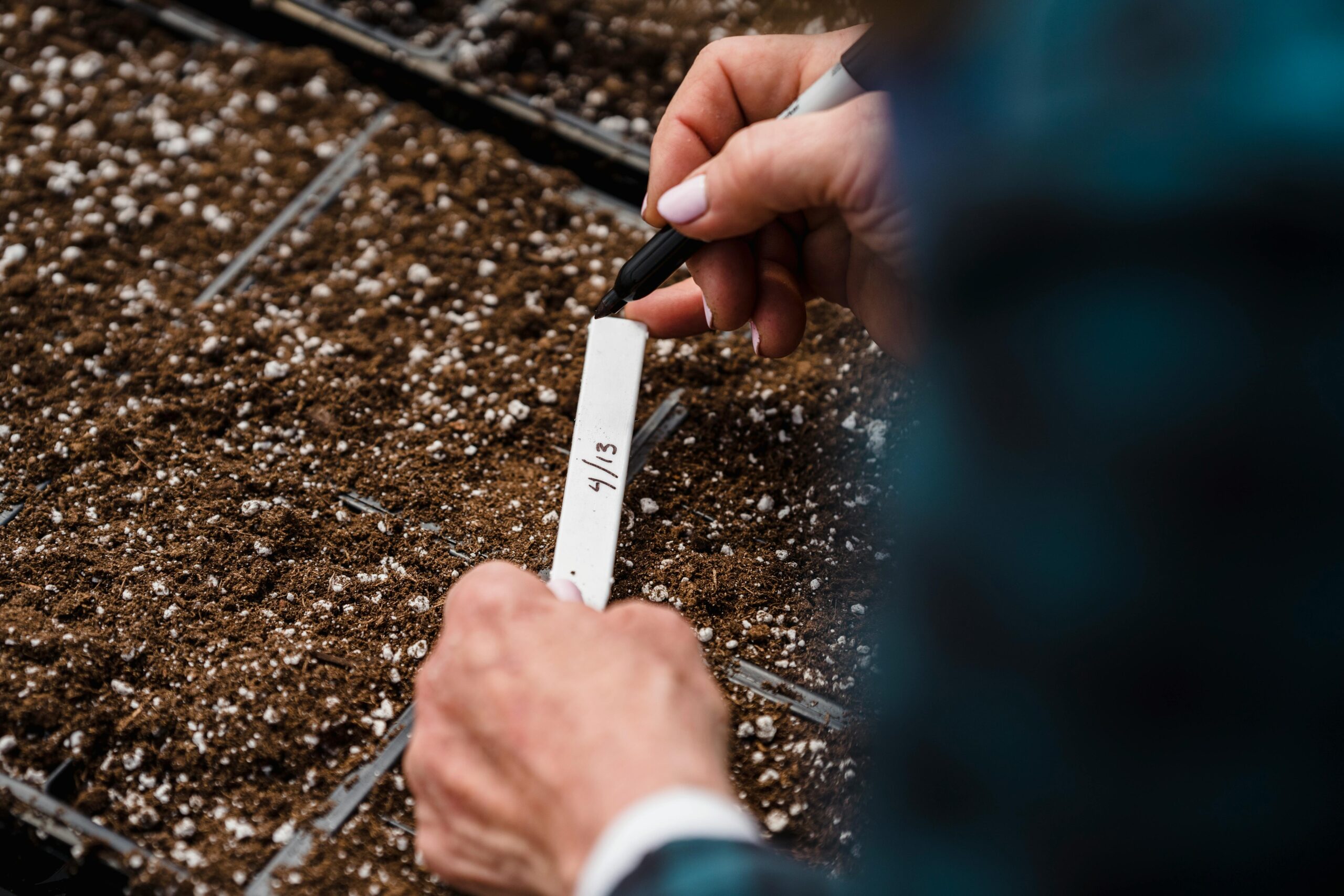
Keeping detailed records transforms seed starting from guesswork into a refined system. Note germination dates, temperatures, success rates, and varieties. Over seasons, patterns emerge revealing what works best in your specific conditions.
Track both successes and failures equally. Understanding why certain seeds failed proves as valuable as celebrating successes. Was soil too cool? Heat mat too hot? Timing off relative to outdoor conditions?
Digital or paper journals both work; consistency matters more than format. Photograph seedlings at weekly intervals, creating visual records that help identify optimal conditions and growth patterns.
Maximizing Success Through Temperature Awareness 🌟
Temperature mastery represents perhaps the single most impactful skill for improving seed starting success. While other factors—light, moisture, soil quality—certainly matter, temperature operates as the fundamental switch that activates or inhibits germination entirely.
By matching seeds to appropriate temperature conditions, whether through timing, location selection, or equipment investments like heat mats, you transform seed starting from a hit-or-miss proposition into a reliable system. Each seed category—cool, moderate, warm, and heat-loving—offers distinct advantages for different seasons and growing spaces.
Start with easy crops that match your available conditions. Master lettuce in cool spring conditions, perfect tomatoes with summer warmth, then gradually expand your repertoire. Experience builds intuition, helping you feel when conditions align for different seeds.
Temperature awareness also extends your growing season dramatically. By understanding that different crops thrive at different temperatures, you create year-round growing opportunities rather than a single summer garden. Cool-season crops fill spring and fall, warm-season varieties dominate summer, and careful planning ensures something always grows.
The investment in temperature management tools—soil thermometer, heat mats, row covers—pays dividends across many growing seasons. These aren’t luxuries but foundational tools that dramatically improve results while reducing frustration and wasted seeds.
Remember that temperature requirements represent guidelines, not absolute rules. Seeds possess remarkable adaptability, often germinating across wider ranges than “optimal” specifications suggest. However, optimal conditions produce faster, more uniform germination and healthier seedlings, giving your garden the strongest possible start.
Embrace the learning process with patience and curiosity. Every growing season teaches new lessons about temperature’s influence on germination and growth. Failed experiments often provide the most valuable insights, revealing boundaries and limitations that inform future successes.
Your garden’s success begins with seeds, and those seeds begin with temperature. By mastering this fundamental element, you unlock your garden’s full potential, creating abundant harvests that reflect thoughtful planning, appropriate variety selection, and precise timing. Temperature awareness transforms you from a passive gardener hoping for good results into an active cultivator creating optimal conditions for success.