Late summer brings scorching heat that can challenge even experienced gardeners. But with the right crop selections and strategies, your garden can continue producing abundantly through the season’s hottest weeks.

The key to maintaining a productive garden during extreme heat lies in choosing varieties specifically adapted to withstand high temperatures. While many spring favorites wilt under intense sun, heat-loving crops actually thrive when the mercury rises, transforming challenging conditions into opportunities for harvest.
🌡️ Understanding Late-Summer Growing Conditions
Late summer presents unique challenges that differ significantly from early season gardening. Temperatures often soar above 90°F (32°C), soil moisture evaporates rapidly, and intense sunlight can scorch delicate foliage. These conditions stress many conventional garden plants, reducing yields and compromising plant health.
However, certain crops have evolved in hot climates and possess remarkable adaptations for heat tolerance. These plants feature deep root systems for accessing moisture, waxy leaf coatings that reduce water loss, and metabolic processes that function efficiently at elevated temperatures.
Successful late-summer gardening requires matching crop selections to environmental realities. Rather than fighting against the heat, smart gardeners work with it by choosing plants that view high temperatures as ideal growing conditions rather than obstacles to overcome.
Champion Heat-Tolerant Vegetables for Your Summer Garden
Okra: The Undisputed Heat Champion 🌿
Okra stands as perhaps the most heat-tolerant vegetable available to home gardeners. This southern favorite actually produces better in hot weather, with pods developing rapidly once temperatures climb above 85°F. The plant’s tropical origins mean it thrives in conditions that would devastate tomatoes or lettuce.
Plant okra in full sun with well-draining soil. The crop requires consistent moisture but tolerates heat stress better than virtually any garden vegetable. Varieties like ‘Clemson Spineless’ and ‘Burgundy’ perform exceptionally well, producing tender pods continuously throughout late summer when harvested every two days.
Armenian Cucumber: Cool Flavor Despite Hot Weather
Despite its name, Armenian cucumber is actually a melon that tastes remarkably like cucumber. This vigorous vine produces prolifically in heat that would cause standard cucumbers to become bitter and stop producing. The long, ribbed fruits remain mild and refreshing even during the hottest weeks.
Armenian cucumbers require substantial space as vines can spread 10-15 feet. Provide sturdy trellising for vertical growing, which improves air circulation and makes harvesting easier. The crop handles drought stress better than true cucumbers while maintaining excellent eating quality.
Eggplant: Thriving When Others Struggle
Eggplant performs best in late summer’s intense heat, producing larger fruits with better flavor than those grown in cooler conditions. This heat-loving member of the nightshade family actually needs warm soil and air temperatures to develop properly, making it perfectly suited for late-season cultivation.
Japanese varieties like ‘Ichiban’ and ‘Orient Express’ excel in extreme heat, producing slender fruits continuously. Italian types such as ‘Rosa Bianca’ develop exceptional flavor when grown in hot conditions. All eggplants benefit from deep watering twice weekly and mulching to maintain soil moisture.
Yard-Long Beans: Protein Production in Peak Heat
Also called asparagus beans or Chinese long beans, these remarkable legumes produce 12-18 inch pods throughout the hottest weather. Unlike standard green beans that often fail in extreme heat, yard-long beans were developed in tropical Asia specifically for hot, humid conditions.
These vigorous climbers require tall supports but reward gardeners with impressive production. The beans remain tender and flavorful even when quite large, and plants continue setting pods when temperatures exceed 95°F. Varieties like ‘Red Noodle’ add ornamental appeal with burgundy-colored pods.
Heat-Loving Herbs That Flourish in Scorching Temperatures 🌱
Basil: Summer’s Essential Aromatic
Basil reaches peak performance during late summer’s heat. This tender annual originated in tropical regions of Asia and Africa, making it superbly adapted to hot weather. Plants grow vigorously, producing abundant aromatic leaves that develop intense flavor in full sun and high temperatures.
Thai basil varieties prove especially heat-tolerant, maintaining productivity even during extreme conditions. Regular harvesting encourages bushier growth and prevents premature flowering. Providing afternoon shade in the absolute hottest climates can extend production slightly, though most basil varieties handle full sun exposure exceptionally well.
Rosemary: Mediterranean Survivor
This woody perennial thrives in hot, dry conditions that mirror its native Mediterranean habitat. Rosemary’s needle-like leaves feature adaptations that minimize water loss, allowing plants to flourish even during drought periods. The herb actually develops more concentrated essential oils in hot, sunny conditions.
Established rosemary plants require minimal supplemental watering once their deep root systems develop. The herb tolerates poor soil and intense sunlight, making it ideal for challenging garden spots. Regular light trimming encourages compact growth while providing fresh herbs for the kitchen.
Mexican Oregano and Marjoram
These aromatic herbs celebrate heat rather than merely tolerating it. Mexican oregano (actually a verbena species) produces intensely flavored leaves throughout summer’s hottest periods. Traditional Mediterranean oregano and marjoram also excel in hot weather, developing their most potent flavors under intense sun exposure.
Both herbs prefer well-drained soil and full sun. Plants require minimal care once established, making them excellent choices for low-maintenance gardens. The herbs dry beautifully for winter storage when harvested during hot, sunny weather.
Surprising Cool-Season Crops That Handle Heat
Swiss Chard: The Versatile Green
While technically a cool-season crop, Swiss chard demonstrates remarkable heat tolerance compared to other leafy greens. The plant continues producing nutritious leaves throughout summer when provided adequate moisture. Varieties with colored stems like ‘Bright Lights’ add ornamental value while maintaining productivity.
Plant chard in locations receiving afternoon shade in the hottest climates. Consistent watering and organic mulch help plants withstand temperature stress. Regular harvesting of outer leaves encourages continued production and prevents bolting, extending the harvest period significantly.
New Zealand Spinach: True Heat-Tolerant Greens
Despite its name, New Zealand spinach isn’t botanically related to true spinach, but it fills the same culinary role while thriving in hot weather. This spreading groundcover produces tender leaves continuously throughout summer, providing fresh greens when conventional spinach would be impossible to grow.
The plant handles drought reasonably well once established but produces more tender leaves with consistent moisture. New Zealand spinach spreads vigorously, making it suitable for areas where ground-covering growth is desirable. Regular tip harvesting keeps plants productive and prevents excessive spreading.
Strategic Growing Techniques for Late-Summer Success 💧
Mastering Moisture Management
Water management becomes critical during late summer’s heat. Deep, infrequent watering encourages strong root development while reducing water waste through evaporation. Early morning irrigation allows foliage to dry quickly, reducing disease pressure while ensuring moisture reaches root zones.
Drip irrigation or soaker hoses deliver water efficiently, minimizing evaporation and keeping foliage dry. These systems can be connected to timers for automated watering, ensuring consistent moisture even during busy periods. Most heat-loving crops require 1-2 inches of water weekly, adjusted based on rainfall and temperature.
Mulching: Your Garden’s Best Defense
Organic mulch provides multiple benefits crucial for late-summer success. A 3-4 inch layer of straw, leaves, or wood chips moderates soil temperature, reduces moisture evaporation, suppresses weeds, and gradually adds organic matter as it decomposes. These benefits combine to create more favorable root-zone conditions.
Apply mulch carefully around plant stems, leaving a small gap to prevent moisture-related diseases. Refresh mulch layers as materials decompose or become compacted. Light-colored mulches like straw reflect heat, providing additional cooling benefits in extremely hot conditions.
Providing Strategic Shade
Even heat-loving crops sometimes benefit from afternoon shade during the most extreme conditions. Shade cloth with 30-50% density filters intense afternoon sun while maintaining adequate light for photosynthesis. Position shade structures on the western side of gardens to block the hottest afternoon rays.
Temporary shade can be created using shade cloth, old bed sheets, or bamboo screens supported on simple frames. This flexibility allows gardeners to provide protection during heat waves while removing covers when temperatures moderate. Taller heat-tolerant crops can also provide living shade for more sensitive plants.
Soil Preparation and Fertility in Hot Weather 🌾
Late-summer soil conditions differ significantly from spring. Organic matter decomposes rapidly in heat, potentially depleting soil fertility. Regular additions of compost or well-aged manure maintain fertility while improving soil structure and water-holding capacity.
Heat-loving crops often have higher nutrient demands than cool-season vegetables. Side-dressing with compost or applying liquid fertilizers every 2-3 weeks supports vigorous growth and production. Focus on balanced fertilizers rather than high-nitrogen products, which can promote excessive foliage at the expense of fruit production.
Soil temperature monitoring helps optimize planting timing and crop management. Inexpensive soil thermometers provide valuable information, as many heat-loving crops germinate poorly when soil temperatures fall below 70°F but thrive when readings reach 80-85°F.
Pest and Disease Considerations During Hot Weather 🐛
Late summer brings specific pest challenges as insect populations peak. Spider mites thrive in hot, dry conditions, causing stippled, yellowing leaves on stressed plants. Regular watering and occasional foliar spraying with plain water help control these tiny pests without pesticides.
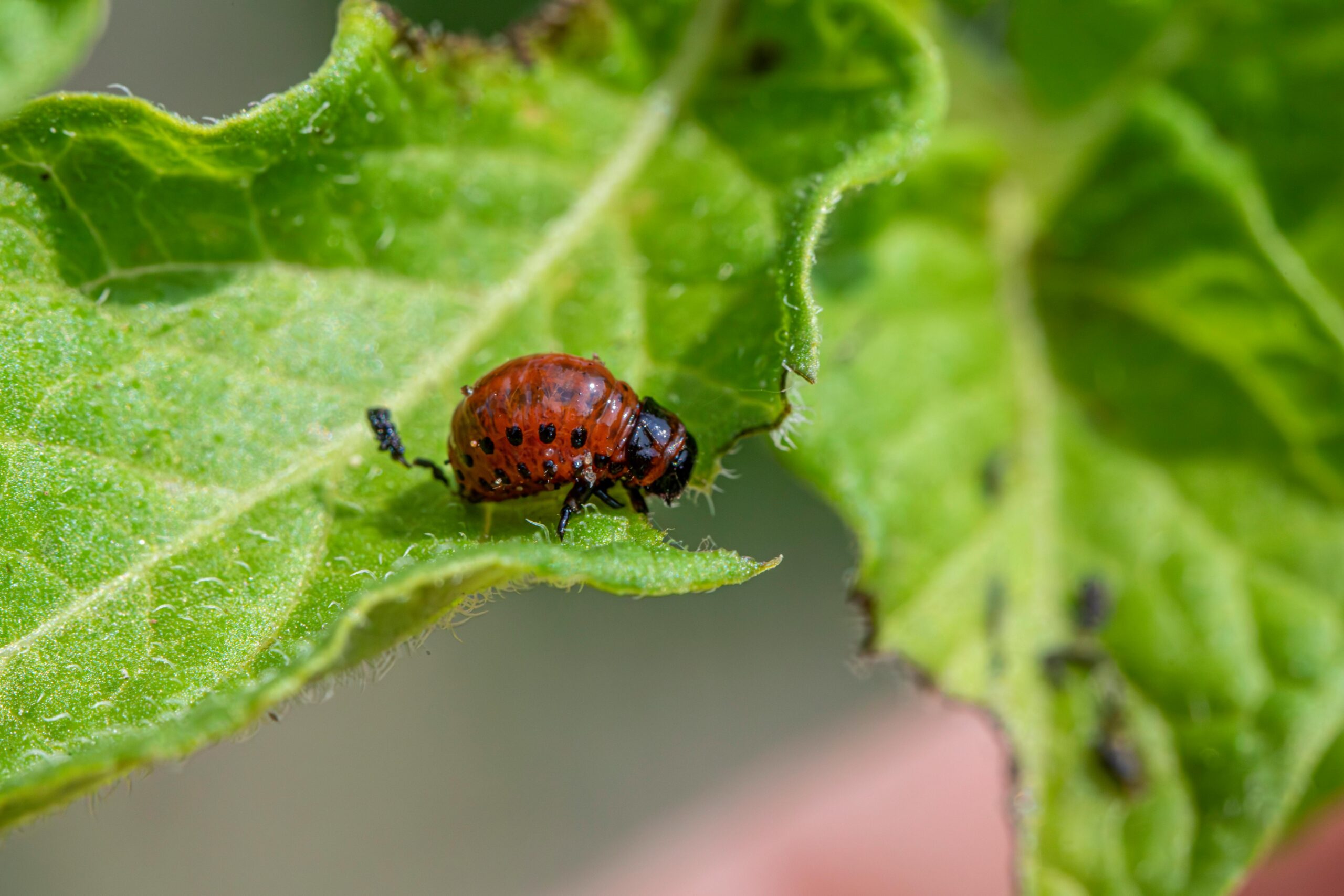
Squash bugs and cucumber beetles remain active throughout late summer, potentially damaging susceptible crops. Hand-picking adults early in the season reduces populations significantly. Row covers protect young plants but must be removed once temperatures become excessive to prevent overheating.
Fungal diseases typically decrease in hot, dry weather compared to humid spring conditions. However, inconsistent watering creating alternating wet and dry conditions can stress plants, making them susceptible to opportunistic pathogens. Consistent moisture management and good air circulation minimize disease risks.
Succession Planting for Extended Harvests
Strategic succession planting maintains continuous harvests throughout late summer. Plant heat-loving crops in 2-3 week intervals rather than all at once. This approach ensures that some plants always produce at peak levels while others mature and still others just establish themselves.
Fast-maturing crops like bush beans and Armenian cucumbers particularly benefit from succession planting. These vegetables produce heavily for relatively short periods, making multiple plantings essential for continuous availability. Even long-season crops like eggplant benefit from staggered plantings to extend the overall harvest window.
Transitioning Toward Fall: Planning Ahead 🍂
Late summer also marks the time to plan fall gardens. Many areas allow planting cool-season crops in late August or early September for autumn harvest. Calculating backwards from first frost dates helps determine optimal planting times for fall crops.
While maintaining heat-loving summer crops, prepare separate areas for cool-season vegetables. This transitional approach maximizes garden productivity by maintaining summer harvests while establishing crops for fall. The strategy requires careful space planning but significantly extends the productive season.
Consider which summer crops can continue producing into fall when protected from light frosts. Eggplant and peppers often continue yielding well into autumn if covered during cold nights. This extended production from summer crops complements maturing fall vegetables for diverse harvests.
Making the Most of Your Heat-Hardy Garden
Success with late-summer gardening ultimately depends on working with natural conditions rather than against them. By selecting crops adapted to heat, implementing appropriate cultural practices, and maintaining consistent care, gardeners can achieve remarkable productivity during summer’s hottest weeks.
The vegetables and herbs discussed thrive specifically because of heat, not despite it. These crops convert challenging conditions into optimal growing environments, producing abundant harvests when cool-season favorites have long since failed. Embracing heat-loving plants transforms August from a challenging gardening month into a period of abundance.
Experimentation remains key to discovering which crops perform best in your specific microclimate. Regional variations in temperature, humidity, and rainfall patterns influence crop performance significantly. Keep detailed records of planting dates, varieties, and results to refine your approach over successive seasons.
Late-summer gardening offers unique satisfactions beyond the harvest itself. Successfully growing productive plants during extreme conditions demonstrates both horticultural skill and environmental understanding. The knowledge gained through heat-season gardening also improves overall gardening abilities, creating more adaptable and successful growers.
With thoughtful crop selection, appropriate cultural techniques, and consistent attention to plant needs, your garden can flourish throughout late summer’s sizzling temperatures. These heat-loving crops stand ready to transform challenging conditions into opportunities for exceptional harvests and gardening success. 🌞