Growing warm-season crops is one of the most rewarding experiences for any gardener, whether you’re a beginner or a seasoned pro. These heat-loving plants thrive in summer temperatures and can transform your garden into a productive paradise bursting with fresh vegetables, herbs, and fruits.

Understanding the specific needs of warm-season crops sets the foundation for gardening success. From soil preparation to harvest timing, every decision impacts your final yield. This comprehensive guide walks you through everything you need to know to cultivate thriving warm-season crops that deliver exceptional harvests throughout the growing season.
Understanding Warm-Season Crops and Their Growing Requirements 🌞
Warm-season crops are plants that require consistently warm soil and air temperatures to germinate, grow, and produce fruit. Unlike their cool-season counterparts, these crops are extremely sensitive to frost and typically won’t germinate in cold soil. Most warm-season vegetables require soil temperatures between 60°F and 70°F (15°C to 21°C) for optimal germination.
The classic warm-season crops include tomatoes, peppers, cucumbers, squash, melons, beans, corn, and eggplant. These plants not only need warmth but also benefit from longer daylight hours that summer provides. Their growth accelerates dramatically when temperatures consistently reach the 70°F to 85°F (21°C to 29°C) range during the day.
Timing is everything when it comes to warm-season planting. The general rule is to wait until all danger of frost has passed and soil has warmed sufficiently. In most regions, this means planting occurs between late April and early June, depending on your USDA hardiness zone.
Selecting the Best Warm-Season Crops for Your Garden
Choosing the right crops depends on several factors including your climate zone, available space, sunlight exposure, and personal preferences. Not all warm-season crops perform equally well in every location, so understanding your microclimate is essential.
Top Performer Vegetables for Warm Weather
Tomatoes reign as the most popular warm-season crop for home gardeners. With hundreds of varieties ranging from cherry tomatoes to beefsteaks, there’s a tomato for every garden size and culinary preference. They require full sun (at least 6-8 hours daily) and consistent moisture for best results.
Peppers, both sweet and hot varieties, are another excellent choice. They’re generally easier to grow than tomatoes and take up less space. Bell peppers, jalapeños, and banana peppers all thrive in warm conditions and produce prolifically when properly cared for.
Cucumbers grow rapidly and produce abundantly in warm weather. Choose between bush varieties for smaller spaces or vining types that can be trained on trellises to maximize vertical growing space. They’re perfect for continuous harvesting throughout summer.
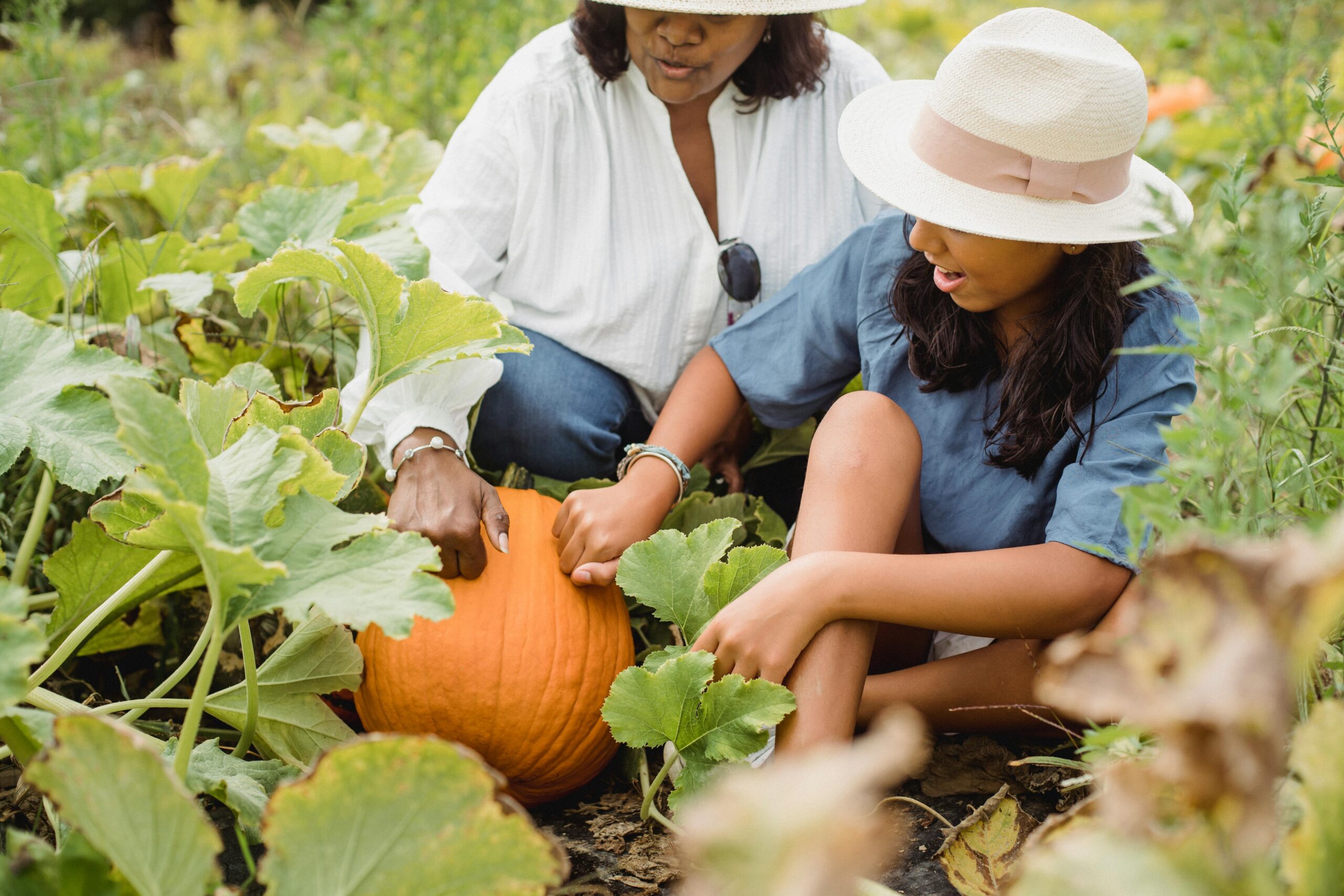
Summer squash and zucchini are legendary for their productivity. A single healthy plant can produce enough squash to feed a family and share with neighbors. They require ample space but reward gardeners with quick growth and reliable harvests.
Heat-Loving Herbs and Specialty Crops 🌿
Basil stands as the quintessential warm-season herb. This aromatic plant despises cold weather but flourishes in heat. Regular harvesting encourages bushier growth and extends the productive season. Plant basil near tomatoes for a classic companion planting combination.
Other warm-season herbs include cilantro (which surprisingly bolts in heat but can be succession planted), dill, and perilla. These herbs add diversity to your garden and provide fresh flavors for summer cooking.
Melons, including watermelon, cantaloupe, and honeydew, require significant space and a long growing season but deliver incredibly sweet rewards. They need consistent warmth and benefit from black plastic mulch that warms the soil and conserves moisture.
Preparing Your Garden for Maximum Production
Proper soil preparation makes the difference between mediocre and extraordinary harvests. Warm-season crops are typically heavy feeders that require nutrient-rich soil with excellent drainage. Start by testing your soil pH, which should ideally fall between 6.0 and 7.0 for most warm-season vegetables.
Amend your soil with generous amounts of compost or well-rotted manure several weeks before planting. This organic matter improves soil structure, enhances water retention, and provides slow-release nutrients throughout the growing season. Aim to incorporate at least 2-4 inches of compost into the top 6-8 inches of soil.
Strategic Garden Layout and Spacing
Planning your garden layout prevents overcrowding and ensures each plant receives adequate sunlight, airflow, and nutrients. Map out your garden on paper before planting, considering mature plant sizes rather than seedling dimensions.
Tall crops like corn and pole beans should be positioned on the north side of your garden to prevent shading shorter plants. Place medium-height plants like tomatoes and peppers in the middle sections, with low-growing crops like bush beans and lettuce in the front where they’ll receive full sun.
Proper spacing recommendations vary by crop, but resist the temptation to crowd plants. Adequate spacing improves air circulation, reducing disease pressure and allowing plants to develop fully without competing for resources.
Starting Seeds Indoors vs. Direct Sowing
Deciding whether to start seeds indoors or sow directly in the garden depends on your climate and the specific crop. Some warm-season vegetables benefit significantly from an indoor head start, while others prefer direct sowing.
Tomatoes, peppers, and eggplants absolutely benefit from indoor starting 6-8 weeks before your last frost date. These crops have long maturation periods and need extra time to produce ripe fruit before fall temperatures arrive. Indoor starting also protects young seedlings from pests and unpredictable weather.
Cucumbers, squash, melons, and beans perform best when directly sown into warm garden soil. These plants dislike root disturbance and germinate quickly once soil temperatures are appropriate. Direct sowing eliminates transplant shock and often results in stronger, more resilient plants.
Hardening Off Transplants Successfully
If you start seeds indoors, hardening off is a critical step that cannot be skipped. This gradual acclimation process prepares tender indoor seedlings for outdoor conditions. Begin the hardening off process 7-10 days before your planned transplant date.
Start by placing seedlings outdoors in a protected, shaded location for just 1-2 hours on the first day. Gradually increase exposure time and sun intensity over the following week. By the final days, seedlings should remain outdoors overnight if temperatures permit.
Essential Care Practices for Thriving Warm-Season Crops 💧
Consistent watering is perhaps the single most important factor for warm-season crop success. Most warm-season vegetables require approximately 1-2 inches of water per week, either from rainfall or irrigation. Deep, infrequent watering encourages strong root development compared to frequent shallow watering.
Water early in the morning to minimize evaporation and allow foliage to dry before evening, reducing disease risks. Drip irrigation or soaker hoses deliver water efficiently to root zones while keeping foliage dry. Mulching around plants conserves moisture, suppresses weeds, and moderates soil temperature fluctuations.
Fertilization Strategies for Heavy Feeders
Warm-season crops typically require more nutrients than cool-season varieties. While initial soil preparation provides a foundation, supplemental feeding throughout the growing season maintains vigorous growth and maximum production.
Apply a balanced organic fertilizer (such as 5-5-5) at planting time, then side-dress with compost or fertilizer every 3-4 weeks during the growing season. For fruiting crops like tomatoes and peppers, switch to a fertilizer higher in phosphorus and potassium once flowering begins to promote fruit development over excessive foliage growth.
Watch for signs of nutrient deficiencies including yellowing leaves, stunted growth, or poor fruit set. These symptoms often indicate nitrogen deficiency, which can be quickly addressed with fish emulsion or other fast-acting organic fertilizers.
Managing Common Pests and Diseases
Warm weather unfortunately brings both crops and pests to life. Implementing integrated pest management strategies protects your harvest while minimizing chemical interventions. Regular garden inspection allows early detection before minor problems become major infestations.
Common warm-season pests include aphids, tomato hornworms, cucumber beetles, squash bugs, and spider mites. Hand-picking larger pests like hornworms and squash bugs provides effective control for small gardens. For smaller pests, strong water sprays can dislodge aphids and mites from plant surfaces.
Organic Pest Control Methods 🐛
Neem oil serves as an effective organic pesticide against many soft-bodied insects and has some fungicidal properties. Apply in early morning or late evening to avoid leaf burn and protect beneficial insects. Insecticidal soaps work similarly and break down quickly in the environment.
Companion planting provides natural pest deterrence. Marigolds repel many garden pests, while herbs like basil and dill attract beneficial insects that prey on pest species. Planting flowers throughout your vegetable garden creates biodiversity that naturally balances pest populations.
Row covers protect young plants from flying insects and provide some frost protection for early or late-season plantings. Remove covers once plants begin flowering to allow pollinator access, especially for crops like cucumbers and squash that require insect pollination.
Supporting and Training Your Plants
Many warm-season crops benefit from physical support systems that keep fruit off the ground, improve air circulation, and maximize space efficiency. Tomatoes, peppers, cucumbers, pole beans, and peas all produce better with proper support structures.
Tomato cages work well for determinate varieties but often prove inadequate for indeterminate types. Sturdy stakes (6-8 feet tall for indeterminate tomatoes) or string trellis systems provide better support for large, vining tomato plants. Begin supporting tomatoes when they’re young rather than trying to wrangle established plants.
Cucumber and squash trellises dramatically increase productive capacity in small spaces. Vertical growing improves air circulation around leaves, reducing powdery mildew problems. It also keeps fruit clean and makes harvesting easier. Ensure trellises are sturdy enough to support the weight of mature plants and fruit.
Maximizing Your Harvest Window
Understanding when and how to harvest each crop optimizes both flavor and productivity. Many warm-season crops benefit from frequent harvesting, which signals the plant to continue producing rather than directing energy toward seed production.
Harvest summer squash and cucumbers when young and tender, typically 6-8 inches long for zucchini and standard cucumbers. Daily checking prevents oversized fruit that reduces overall productivity. Use a sharp knife or pruners to remove fruit without damaging plants.
Extending the Season with Succession Planting 📅
Succession planting ensures continuous harvests rather than feast-or-famine cycles. Plant quick-maturing crops like beans, cucumbers, and summer squash every 2-3 weeks through mid-summer for ongoing production until frost.
For longer-season crops like tomatoes, choose varieties with different maturation dates. Plant early, mid-season, and late-maturing varieties simultaneously to spread out your harvest across several months rather than overwhelming yourself with simultaneous ripening.
Interplanting fast-growing crops between slower-maturing ones maximizes space utilization. Plant radishes or lettuce between tomato plants; they’ll mature and be harvested before tomatoes need the full space.
Preserving Your Abundant Harvest
Successful warm-season gardening often produces more vegetables than you can immediately consume. Preserving excess harvest through canning, freezing, drying, or fermenting ensures you enjoy your garden’s bounty year-round.
Tomatoes excel at preservation through multiple methods. Can them as whole tomatoes, sauce, or salsa. Freeze them whole for later use in cooked dishes. Dry them for intensely flavored additions to various recipes. Each preservation method offers unique advantages depending on intended use.
Peppers freeze beautifully when diced or sliced and require no blanching. Simply wash, cut to desired size, spread on baking sheets to freeze individually, then transfer to freezer bags. Frozen peppers work perfectly in cooked dishes throughout winter.
Beans and other vegetables benefit from blanching before freezing to preserve color, texture, and nutritional value. The brief hot water bath followed by immediate ice bath cooling stops enzyme actions that cause quality deterioration during frozen storage.
Learning from Each Growing Season
Maintaining a garden journal transforms you from a casual gardener into an increasingly skilled food producer. Record planting dates, varieties grown, weather patterns, pest problems, and harvest quantities. This information becomes invaluable for planning future seasons.
Note which varieties performed exceptionally well in your specific conditions and which disappointed. Not all catalog descriptions match real-world performance in every climate. Your personal observations guide better variety selections for subsequent years.
Photograph your garden throughout the season to document growth patterns, problem areas, and successful combinations. Visual records often reveal patterns you might otherwise miss and help with future garden layout planning.
Creating a Sustainable Garden Ecosystem 🌱
Long-term gardening success depends on building soil health and ecosystem balance rather than relying on external inputs. Each growing season should leave your garden soil richer and more productive than before.
Practice crop rotation to prevent disease buildup and nutrient depletion. Avoid planting the same plant family in the same location year after year. Rotate heavy feeders with nitrogen-fixing legumes to naturally replenish soil nutrients.
Cover cropping during off-season periods protects soil from erosion, suppresses weeds, and adds organic matter when turned under. Winter rye, crimson clover, and hairy vetch all serve as excellent cover crops in different climates and situations.
Composting garden waste and kitchen scraps closes the nutrient loop in your garden system. Quality compost improves soil structure, provides slow-release nutrients, and introduces beneficial microorganisms that support plant health. Building your compost supply reduces dependency on purchased amendments while reducing household waste.
Embracing the Journey to Garden Mastery
Developing skills for growing exceptional warm-season crops is an ongoing journey rather than a destination. Each season brings new challenges, surprises, and learning opportunities. Weather variations, pest pressures, and personal circumstances ensure no two growing seasons are identical.
Start small if you’re new to gardening, focusing on a few easy crops like tomatoes, peppers, and beans. Success with these staples builds confidence for expanding to more challenging crops in subsequent seasons. Even experienced gardeners benefit from sometimes scaling back to focus on quality over quantity.
Connect with other gardeners through local garden clubs, online forums, or community gardens. Sharing experiences, seeds, and knowledge accelerates everyone’s learning and makes gardening more enjoyable. Regional gardening wisdom often proves more valuable than generalized advice from distant sources.
Remember that even gardening failures provide valuable lessons. Not every season will be perfect, and that’s okay. The tomatoes that succumbed to blight teach you about disease management. The cucumbers overwhelmed by beetles inform better pest prevention strategies. Each challenge builds expertise that makes you a more resilient, capable gardener.
Your warm-season garden represents more than just food production—it connects you to natural cycles, provides physical activity, reduces grocery expenses, and offers the incomparable satisfaction of eating food you’ve grown yourself. The taste of a sun-warmed tomato picked at peak ripeness or the crunch of a freshly harvested cucumber makes every bit of effort worthwhile. Start planning your warm-season garden today, and prepare to enjoy the most bountiful harvest you’ve ever grown.