Growing a thriving garden in your small backyard doesn’t have to be complicated. With the right planting calendar and strategic planning, you can enjoy fresh produce, beautiful flowers, and abundant harvests throughout the entire year, regardless of your space limitations.

Whether you’re a complete beginner or an experienced gardener looking to maximize your compact outdoor space, understanding when to plant what makes all the difference. A well-planned planting calendar transforms your small backyard from a seasonal hobby into a year-round source of joy, nutrition, and natural beauty. This comprehensive guide will walk you through every season, helping you create a perpetual garden that keeps giving month after month.
🌱 Understanding Your Growing Zone and Microclimate
Before diving into specific planting schedules, you need to understand your unique growing conditions. Your USDA hardiness zone determines which plants will thrive in your area and when you can safely plant them outdoors. This information serves as the foundation for your personalized planting calendar.
Small backyards often create microclimates—areas with slightly different growing conditions than the surrounding region. A south-facing wall might create a warmer pocket perfect for heat-loving plants, while a shaded corner could extend cool-season crops into warmer months. Walk your space at different times of day, noting sun exposure, wind patterns, and areas that retain moisture or drain quickly.
Track your last spring frost date and first fall frost date, as these anchor points determine your growing season length. Most seed packets and planting guides reference these dates, making them essential for scheduling. Add a week or two as a safety buffer when planning early spring plantings to protect tender seedlings from unexpected cold snaps.
Spring Planting Strategy: March Through May 🌸
Spring represents the most exciting time for gardeners, with warming soil temperatures and lengthening days signaling the start of the growing season. However, enthusiasm must be tempered with patience—planting too early can result in stunted growth or complete crop failure.
Early Spring: Cool-Season Crops Take Center Stage
Six to eight weeks before your last frost date, start planting cold-hardy vegetables. Peas, lettuce, spinach, kale, radishes, and carrots can all handle light frosts and actually prefer cooler temperatures. These crops mature quickly, allowing you to harvest before summer heat causes them to bolt and turn bitter.
In small spaces, use succession planting techniques. Rather than planting an entire packet of lettuce seeds at once, sow a new row every two weeks. This strategy ensures continuous harvests rather than a glut of produce that overwhelms your kitchen all at once.
Start tomatoes, peppers, and eggplants indoors about eight weeks before your last frost date. These warm-season crops need a head start in most climates, and indoor seed starting maximizes your limited backyard space. Grow lights or a sunny windowsill provide the environment these seedlings need before transplanting outdoors.
Late Spring: Transitioning to Warm-Season Crops
After your last frost date passes and soil temperatures reach at least 60°F, transplant your warm-season seedlings outdoors. Tomatoes, peppers, cucumbers, squash, and beans all need warm soil to thrive. Planting them too early in cold soil invites disease problems and slow growth that plants never fully overcome.
Direct sow heat-loving crops like beans, corn, and squash once soil warms thoroughly. These seeds rot in cold, wet soil but germinate vigorously in warm conditions. In small gardens, focus on vertical varieties—pole beans instead of bush beans, vining cucumbers trained on trellises, and compact determinate tomatoes that don’t sprawl.
Summer Garden Management: June Through August ☀️
Summer isn’t just about maintaining existing plants—it’s also prime time for succession planting and planning your fall garden. Strategic summer plantings ensure your small backyard garden continues producing through autumn and beyond.
Early to Mid-Summer Succession Planting
As spring crops finish, immediately replant those spaces with warm-season crops or prepare for fall plantings. Beans planted in early summer produce harvests well into fall. Cucumbers planted in late June provide fresh pickles in September when spring-planted vines succumb to pests and diseases.
Start seeds for fall brassicas—broccoli, cabbage, cauliflower, and Brussels sprouts—in mid-summer. These crops need to mature during cooler fall weather, so timing is critical. Starting them in the heat of summer seems counterintuitive, but they’ll size up during warm weather and develop heads or sprouts as temperatures cool.
Consider heat-tolerant varieties of lettuce and greens for summer harvests. While most salad greens prefer spring and fall, certain varieties handle heat better. Provide afternoon shade with taller plants or shade cloth to extend the season for these cool-season crops.
Late Summer: Planning Your Fall Garden
Calculate backwards from your first fall frost date to determine planting times for autumn crops. Most seed packets list “days to maturity”—add two weeks to account for shorter fall days and cooler temperatures that slow growth. This calculation tells you the latest safe planting date for each crop.
Direct sow quick-maturing crops like radishes, turnips, and Asian greens in late summer for fall harvests. These vegetables actually taste sweeter after exposure to light frosts, making them perfect for extending your growing season. In small spaces, these fast-growing crops fill gaps between slower-maturing plants.
Fall Abundance: September Through November 🍂
Fall often produces the best vegetables of the entire year. Cooler temperatures mean fewer pest problems, reduced watering needs, and sweeter-tasting crops. Your small backyard garden can be incredibly productive during these months with proper planning.
Early Fall Harvest and Planting
Harvest summer crops before frost damages them. Tomatoes can be picked green and ripened indoors, while peppers and eggplants should be harvested before temperatures drop below 40°F at night. Process or preserve the abundance—canning, freezing, and drying extend your harvest for months.
Plant garlic cloves in early to mid-fall for next summer’s harvest. Garlic needs a cold period to develop properly divided bulbs, making fall planting essential. In small gardens, tuck garlic cloves around the edges of beds or between other plants—they occupy space during the garden’s least productive season.
Continue harvesting and succession planting cool-season greens. Lettuce, spinach, arugula, and Asian greens planted in early fall provide harvests well into winter in many climates. Row covers or cold frames extend the season even further, turning your small backyard into a winter salad garden.
Late Fall Preparation
As the growing season winds down, prepare beds for winter and early spring planting. Remove spent plants to prevent disease and pest problems from overwintering. Add compost to rebuild soil fertility depleted by months of production—small gardens need regular amendments to remain productive year after year.
Plant cover crops like winter rye or crimson clover in empty beds. These crops protect soil from erosion, suppress weeds, and add organic matter when turned under in spring. In small gardens, even a cover crop in one bed rotated annually improves overall soil health significantly.
Winter Gardening: December Through February ❄️
Winter doesn’t mean your garden must lie dormant. Depending on your climate, you can continue harvesting cold-hardy crops, start seeds indoors, and plan next year’s garden during these quieter months.
Cold-Hardy Crops for Winter Harvest
Kale, collards, Brussels sprouts, and certain lettuce varieties survive freezing temperatures and provide fresh greens throughout winter. In milder climates, these crops continue growing slowly, while in colder regions they may freeze but remain harvestable. A light frost actually improves the flavor of many brassicas.
Use season extenders like cold frames, row covers, or hoop houses to protect crops and extend harvests. Even simple plastic sheeting over wire hoops can add weeks or months to your growing season. In small backyards, a compact cold frame against a south-facing wall creates a surprisingly productive microclimate.
In warm winter climates, treat winter like a second spring. Cool-season crops that struggle in summer heat thrive during mild winter months. Peas, lettuce, broccoli, and carrots planted in fall and winter provide abundant harvests when gardeners in colder climates can only dream of fresh vegetables.
Indoor Winter Activities
Start seeds indoors for earliest spring transplants. Onions, leeks, and certain flower varieties need very long growing seasons and benefit from winter seed starting. Set up a simple grow light system in a spare room, basement, or even a closet to get a jump on the season.
Review the past year’s garden notes and plan improvements. What worked well? What struggled? Which varieties produced abundantly, and which disappointed? Honest assessment during winter leads to better decisions for the coming year. Order seeds early while selection is best—popular varieties sell out quickly.
Maintain and repair garden tools during winter downtime. Sharpen pruners, clean pots, and organize your garden shed or storage area. This preparation ensures you’re ready when spring planting season arrives in full force.
📅 Month-by-Month Quick Reference Guide
Here’s a streamlined planting calendar you can adapt to your specific growing zone. Remember to adjust timing based on your last spring frost and first fall frost dates.
- January: Plan garden layout, order seeds, start onions and leeks indoors in cold climates
- February: Start tomatoes, peppers, and eggplants indoors; plant bare-root fruit trees
- March: Direct sow peas, lettuce, spinach, radishes; transplant onions outdoors
- April: Plant potatoes, start more succession crops, prepare beds for warm-season plants
- May: Transplant tomatoes, peppers, eggplants; direct sow beans, cucumbers, squash
- June: Succession plant beans and cucumbers, start fall brassicas indoors
- July: Plant fall carrots, beets, and turnips; continue succession planting
- August: Sow fall lettuce, spinach, and quick-maturing greens
- September: Plant garlic, continue cool-season crops, harvest summer abundance
- October: Plant spring bulbs, final lettuce sowings, mulch perennials
- November: Harvest cold-hardy crops, clean up garden, plant cover crops
- December: Harvest winter greens, maintain cold frames, dream and plan
🌿 Space-Maximizing Techniques for Small Backyards
Limited space requires creative approaches to maximize productivity. These techniques help small gardens produce yields rivaling much larger plots.
Vertical Growing Solutions
Train vining crops upward on trellises, fences, or walls rather than letting them sprawl. Cucumbers, pole beans, peas, and indeterminate tomatoes all grow vertically, freeing ground space for additional plantings. Vertical growing also improves air circulation, reducing disease problems common in crowded gardens.
Install sturdy supports before planting—retrofitting trellises around established plants risks damaging roots. Simple cattle panels attached to T-posts create inexpensive but durable structures that last for years. Repurpose old ladders, pallets, or create teepee structures from bamboo poles for attractive, functional supports.
Intensive Planting Methods
Square foot gardening divides beds into one-foot grids, with different crops planted according to their space needs. This method eliminates wasted space between traditional rows while maintaining accessibility. In a 4×4 foot raised bed, you can grow sixteen different crops simultaneously.
Interplanting fast and slow-growing crops maximizes space efficiency. Plant quick-maturing radishes between slower-developing carrots—the radishes harvest before carrots need the space. Lettuce tucked between tomato plants thrives in the shade cast by larger plants and finishes before tomatoes reach full size.
Essential Tools for Year-Round Garden Success 🛠️
The right tools make gardening easier and more enjoyable. In small spaces, you don’t need extensive equipment—just quality basics that handle multiple tasks efficiently.
Invest in a good garden fork, trowel, and hand pruners as your foundation tools. A quality hose with adjustable nozzle or watering wand provides better control than oscillating sprinklers in compact spaces. Consider a soil thermometer to take guesswork out of planting timing—knowing actual soil temperature ensures better germination rates.
A simple cold frame extends your season dramatically for minimal investment. Build one from recycled windows or purchase a compact model designed for small spaces. Even a portable mini greenhouse or row cover fabric provides enough protection to harvest fresh greens weeks or months longer.
Tracking Progress and Continuous Improvement 📊
Maintaining garden records transforms you from a casual gardener into a knowledgeable grower who improves with each season. Note planting dates, varieties grown, harvest quantities, and observations about what thrived or struggled.
Take photos throughout the growing season to visually document progress. Pictures reveal patterns you might miss otherwise—perhaps that shaded corner actually receives more sun than you thought, or a certain bed consistently outperforms others. Visual records combined with written notes create a powerful reference for future planning.
Experiment with at least one new crop or technique each season. Try an unfamiliar vegetable, test a different variety of a favorite crop, or implement a new training method. Small experiments keep gardening interesting while expanding your knowledge and skills without overwhelming your limited space.
Soil Health: The Foundation of Continuous Production 🌍
Small gardens producing year-round harvests demand excellent soil fertility. Continuous planting and harvesting depletes nutrients faster than in traditional gardens with extended fallow periods. Regular soil amendments maintain productivity season after season.
Add compost before each new planting. A one to two-inch layer worked into the top few inches of soil replaces nutrients removed by previous crops. In small gardens, even a modest compost bin produces enough amendment for your limited space. Alternatively, purchase quality compost or composted manure from garden centers.
Consider supplemental organic fertilizers for heavy feeders like tomatoes, peppers, and leafy greens. Fish emulsion, compost tea, or granular organic fertilizers provide nutrients in forms plants readily absorb. Apply according to package directions—more isn’t better and can actually harm plants or create imbalances.
Test soil pH every few years, especially if plants consistently underperform despite adequate care. Most vegetables prefer slightly acidic soil between 6.0 and 7.0 pH. Simple adjustments with lime (to raise pH) or sulfur (to lower pH) can dramatically improve plant health and productivity.
Pest and Disease Management in Small Spaces 🐛
Compact gardens face unique challenges—pest and disease problems spread quickly when plants grow close together. Preventive measures and early intervention keep issues manageable without resorting to harsh chemicals.
Practice crop rotation even in small spaces by moving plant families to different beds or containers each season. This simple technique interrupts pest and disease cycles that build up when the same crops occupy the same soil year after year. Even rotating between just two or three beds provides significant benefits.
Inspect plants regularly, catching problems while they’re small and manageable. Remove diseased leaves promptly, hand-pick larger pests like caterpillars and beetles, and use targeted organic controls when necessary. A strong spray of water dislodges aphids, while insecticidal soap handles many soft-bodied pests safely.
Encourage beneficial insects by planting flowers among vegetables. Marigolds, zinnias, alyssum, and herbs like dill and fennel attract predatory insects that feed on garden pests. This diverse planting also makes your small garden more beautiful while improving the ecosystem balance.
Water Management for Consistent Production 💧
Efficient watering keeps small gardens productive while conserving this precious resource. Drip irrigation or soaker hoses deliver water directly to root zones, reducing waste from evaporation and keeping foliage dry to prevent disease.
Mulch beds with two to three inches of organic material like straw, shredded leaves, or grass clippings. Mulch moderates soil temperature, suppresses weeds, and dramatically reduces water needs by preventing evaporation. As it decomposes, organic mulch also improves soil structure and adds nutrients.
Water deeply but less frequently to encourage strong root development. Shallow, frequent watering creates weak roots near the surface that struggle during hot weather or if you miss a watering session. Most vegetables need about one inch of water weekly, including rainfall—use a rain gauge to track actual amounts.
Year-Round Harvest Celebration 🎉
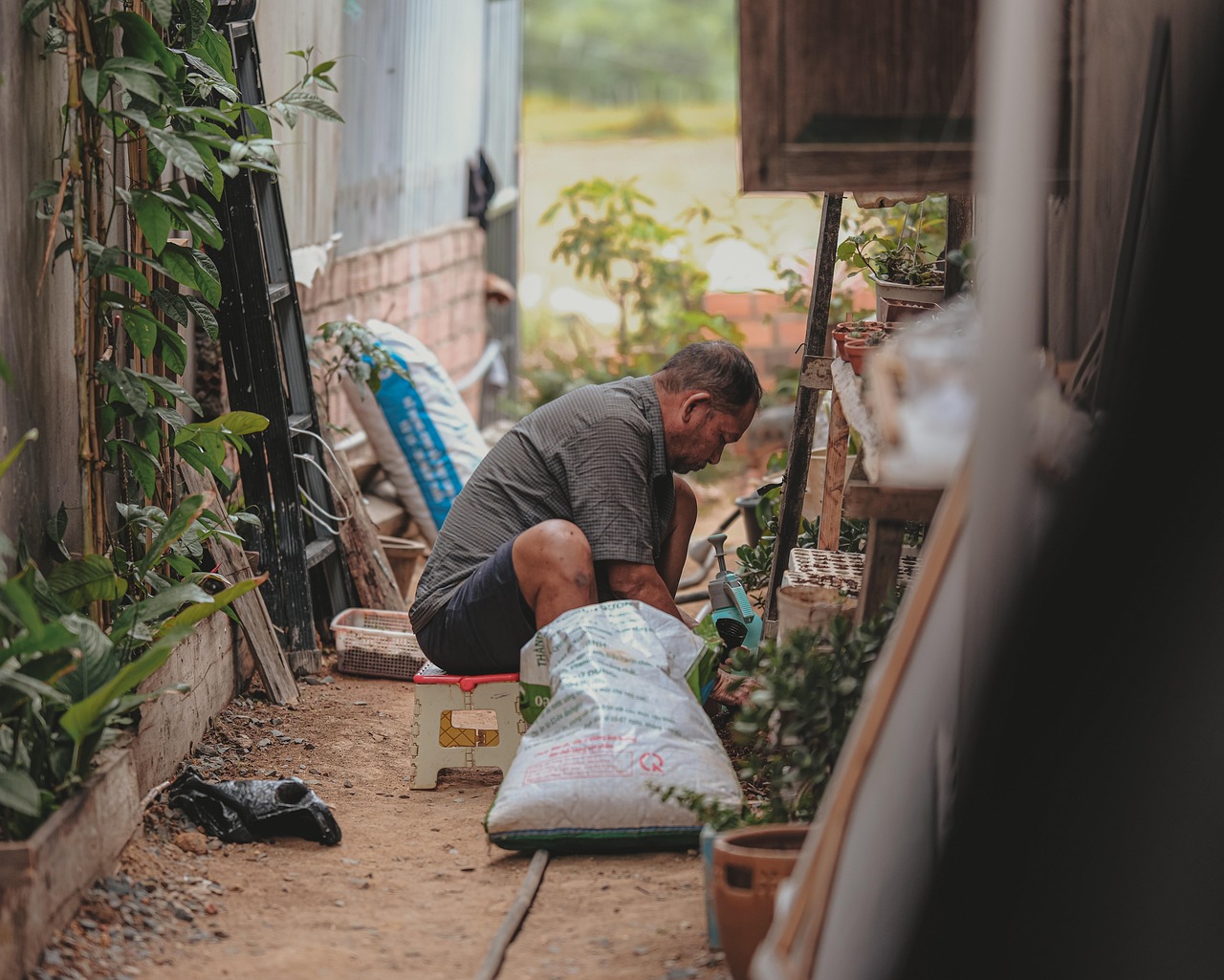
A well-planned small backyard garden provides continuous harvests that nourish body and soul throughout the year. Fresh salads in spring, abundant tomatoes in summer, sweet root vegetables in fall, and hardy greens through winter—each season offers unique bounty when you follow a strategic planting calendar.
Start with realistic expectations and expand gradually as you gain experience. Even a small garden producing a portion of your fresh vegetables represents a significant achievement. The connection to your food, time spent outdoors, and satisfaction of nurturing plants from seed to harvest provides benefits far beyond the produce itself.
Remember that gardening is both art and science—each growing season teaches new lessons while presenting fresh challenges. Embrace the learning process, celebrate successes, and view “failures” as valuable information for future improvement. Your ultimate planting calendar evolves year by year as you discover what works best in your unique small backyard space.