Gardening success hinges on timing, and understanding frost dates is the key to unlocking your garden’s full potential throughout every season.

Whether you’re a seasoned gardener or just starting your journey with seeds and soil, mastering the art of planting according to frost dates can mean the difference between a thriving garden and disappointing results. The relationship between temperature, timing, and plant survival is fundamental to cultivating a productive outdoor space that rewards your efforts with bountiful harvests and stunning blooms year after year.
🌱 Understanding Frost Dates: Your Garden’s Most Important Calendar Markers
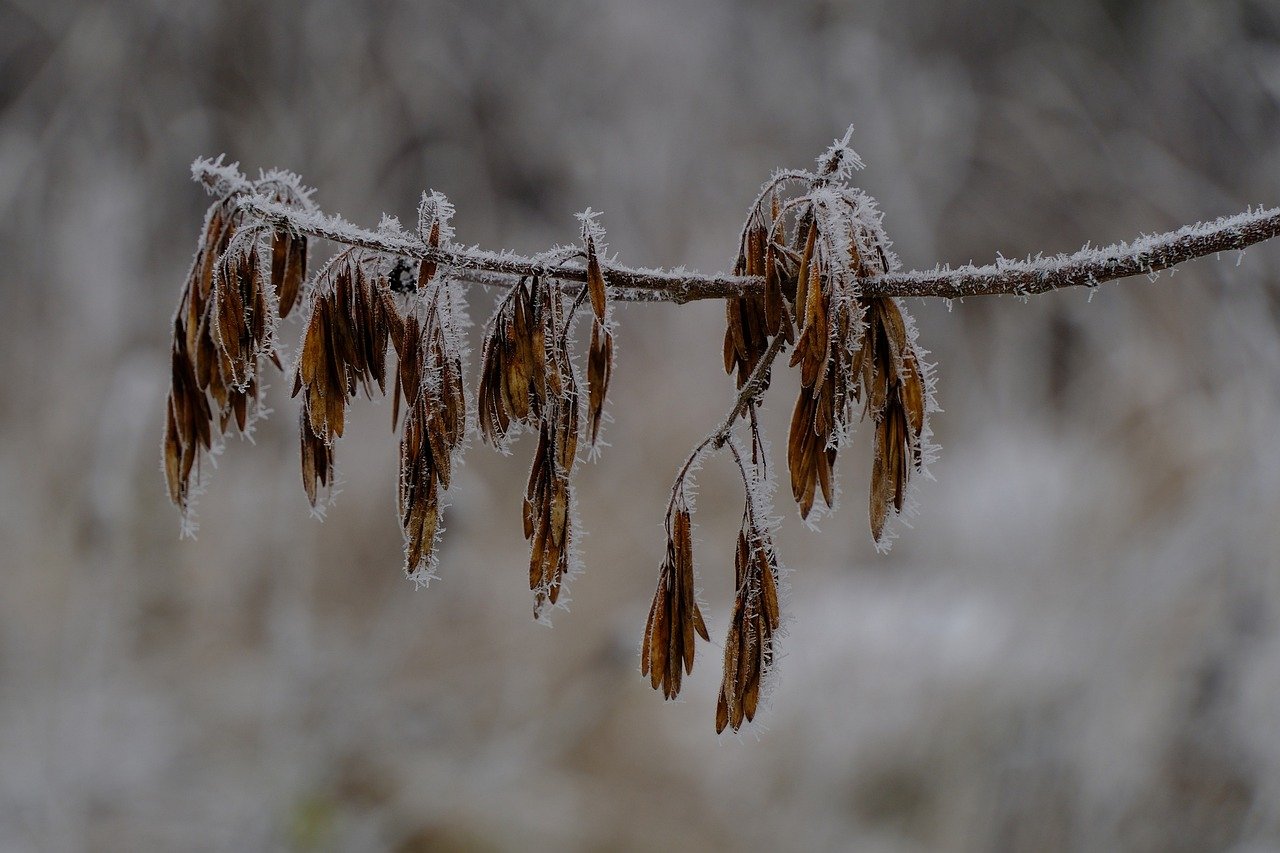
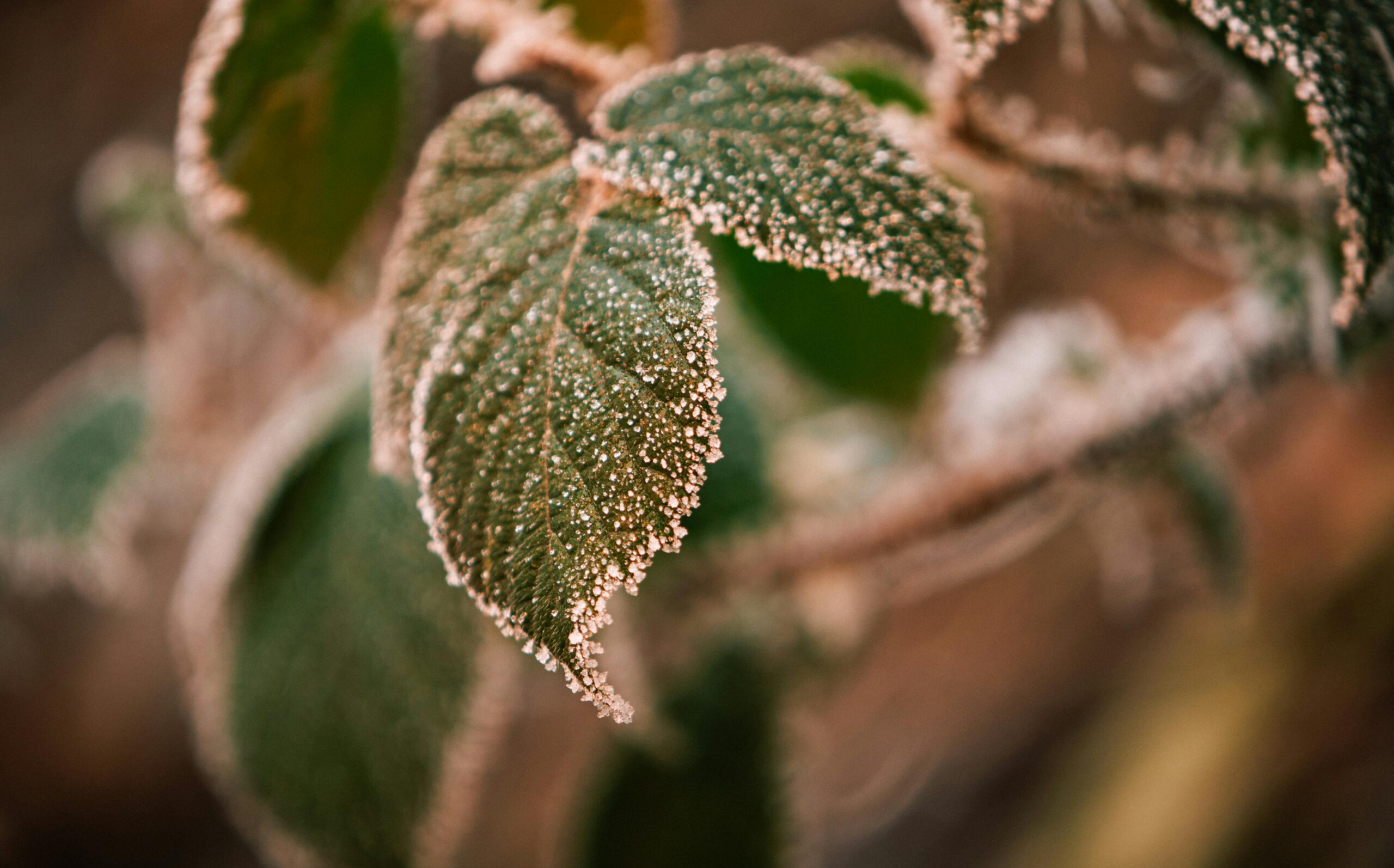
Frost dates are the foundation upon which successful gardening calendars are built. The last spring frost date marks the point when nighttime temperatures consistently stay above freezing, signaling it’s safe to plant tender vegetables and flowers outdoors. Conversely, the first fall frost date indicates when cold-sensitive plants will likely succumb to freezing temperatures, helping you plan your final harvests and protective measures.
These dates aren’t arbitrary numbers pulled from thin air. They’re calculated using decades of historical weather data for specific geographic locations, typically representing the dates when there’s a 50% probability of frost occurring. Most gardening resources provide frost date ranges with varying confidence levels—10%, 50%, and 90% probability—giving you flexibility based on your risk tolerance.
Your local frost dates depend heavily on your USDA hardiness zone, elevation, proximity to bodies of water, and microclimates within your property. A garden on a south-facing slope might enjoy an extra week or two of frost-free growing compared to a low-lying area where cold air settles. Understanding these nuances transforms frost dates from general guidelines into personalized planting schedules.
📅 Creating Your Personalized Planting Calendar
Building a planting calendar tailored to your specific location starts with identifying your last spring frost and first fall frost dates. Once you have these anchors, you can work backwards and forwards to determine optimal planting times for different crops and flowers throughout the growing season.
Most seed packets and plant tags include timing information expressed as “plant 2-4 weeks before last frost” or “direct sow after all danger of frost has passed.” These instructions become actionable when you know your local frost dates. Create a calendar marking key planting windows, succession planting dates, and harvest expectations to keep your garden productive from early spring through late fall.
Cool-Season Crops: The Early Risers
Cool-season vegetables thrive in temperatures between 40-70°F and can tolerate light frosts. These hardy plants should be among the first residents of your spring garden, often going into the ground 4-6 weeks before the last expected spring frost. Lettuce, spinach, peas, radishes, and members of the brassica family (broccoli, cabbage, kale) actually prefer cooler conditions and may bolt or become bitter when temperatures soar.
Planning for cool-season crops involves two planting windows: early spring and late summer for fall harvest. The spring planting capitalizes on cool temperatures before summer heat arrives, while fall plantings take advantage of cooling temperatures as autumn approaches. Many gardeners find fall crops even sweeter and more flavorful, as light frosts actually improve the taste of many cool-season vegetables.
Warm-Season Crops: The Heat Lovers
Warm-season vegetables and flowers demand soil temperatures above 60°F and air temperatures consistently in the 70-90°F range. Tomatoes, peppers, cucumbers, squash, beans, and basil fall into this category and will suffer or die if exposed to frost. These plants should only be transplanted or direct-seeded after your last spring frost date has safely passed and soil has warmed adequately.
Starting warm-season crops too early is a common mistake that rarely pays off. Cold soil temperatures stunt root development, leaving plants languishing for weeks while those planted later in properly warmed soil quickly catch up and often surpass their prematurely planted counterparts. Patience with warm-season crops rewards gardeners with vigorous growth and earlier production.
🌡️ Beyond Frost Dates: Soil Temperature and Microclimates
While air temperature and frost dates provide essential guidelines, soil temperature often matters even more for seed germination and root establishment. A simple soil thermometer becomes an invaluable tool for timing plantings accurately. Most seeds have specific temperature requirements for germination—lettuce seeds struggle above 75°F, while okra seeds won’t germinate below 65°F.
Microclimates within your garden create opportunities to extend your growing season naturally. Areas near south-facing walls absorb and radiate heat, creating warmer pockets suitable for early planting. Raised beds warm faster than ground-level gardens. Low-lying areas accumulate cold air and experience frost earlier in fall and later in spring. Mapping these microclimates allows you to optimize planting locations for different crops.
Urban gardens often benefit from the “heat island effect,” where buildings and pavement raise ambient temperatures by several degrees compared to rural areas. This can effectively extend your growing season by 1-2 weeks on both ends, allowing you to grow varieties that might otherwise be marginally hardy in your official hardiness zone.
🛡️ Season Extension Techniques for Year-Round Growing
Frost dates don’t have to be absolute limits on your gardening activities. Season extension methods allow you to start earlier in spring, continue later into fall, and in some climates, garden throughout winter. These techniques range from simple and inexpensive to more elaborate investments that pay dividends in extended harvests.
Cold Frames and Row Covers
Cold frames are essentially miniature greenhouses that trap solar heat and protect plants from frost. A simple cold frame constructed from old windows or clear plastic sheeting over a wooden frame can add 4-6 weeks to your growing season on both ends. Position cold frames in south-facing locations for maximum sun exposure and heat retention.
Floating row covers made from lightweight fabric create a protective barrier against frost while allowing light, air, and water to reach plants. These covers can protect crops through light frosts (down to about 28°F, depending on thickness) and are especially useful for extending harvests of cool-season crops well into winter in moderate climates.
Hoop Houses and Greenhouses
Hoop houses—structures made from metal or PVC hoops covered with greenhouse plastic—provide more substantial protection and can extend your season by 8-12 weeks or more. While requiring more initial investment and effort, hoop houses allow for winter gardening in many climates and early spring production that can supply fresh vegetables when market prices peak.
Full greenhouses with heating systems enable year-round food production even in cold climates, though the energy costs and initial investment are significant. Passive solar greenhouse designs that incorporate thermal mass for heat storage offer a more sustainable approach to winter growing without ongoing heating expenses.
📱 Technology Tools for Frost Tracking and Garden Planning
Modern technology has revolutionized how gardeners track frost dates and plan their planting schedules. Weather apps now provide hyperlocal forecasts that alert you to unexpected late spring frosts or early fall cold snaps, giving you time to protect vulnerable plants. Several specialized gardening apps help create personalized planting calendars based on your location and frost dates.
Digital tools can send reminders when it’s time to start seeds indoors, transplant seedlings, or direct sow specific crops. Many include databases of common vegetables and flowers with their specific timing requirements, taking the guesswork out of when to plant what. Garden journaling features help you track what worked and what didn’t, refining your personal planting calendar over successive seasons.
🌿 Succession Planting: Maximizing Every Square Foot
Understanding frost dates enables strategic succession planting—sowing small amounts of fast-maturing crops every 2-3 weeks to ensure continuous harvests rather than feast-or-famine production. This technique works brilliantly with lettuce, radishes, beans, and carrots, providing fresh vegetables throughout the season rather than overwhelming quantities all at once.
Calculate your succession planting schedule by working backwards from your first fall frost date. Check the “days to maturity” on seed packets and count backward to determine the last practical planting date for fall harvest. For example, if bush beans require 55 days to maturity and your first fall frost typically occurs on October 15, your last bean planting should happen by mid-August.
Succession planting also applies to replacing early-season crops with later varieties. As you harvest spring lettuce and peas, those beds become available for summer plantings of beans or cucumbers, which in turn can be followed by fall crops of kale or carrots. This rotation maximizes garden productivity throughout the entire growing season.
🍂 Fall Gardening: The Often-Overlooked Season
Many gardeners pack up when summer ends, but fall offers exceptional growing conditions for cool-season crops. With established infrastructure, warm soil, and adequate moisture, fall gardens often outperform spring plantings with less pest pressure and more reliable weather patterns. The key is counting backward from your first expected frost date to determine planting times.
Fall crops planted at the right time will size up before cold weather arrives, then hold in excellent condition through fall and early winter. Many vegetables like kale, collards, Brussels sprouts, and leeks actually improve in flavor after exposure to light frosts as starches convert to sugars. In moderate climates, overwintered crops can provide fresh harvests throughout winter.
Timing fall plantings requires attention to decreasing day length as well as temperature. Plants grow more slowly in autumn’s shorter days compared to equivalent temperatures in spring. Add 1-2 weeks to the “days to maturity” listed on seed packets when calculating fall planting dates to account for this slower growth rate.
🌸 Perennials and Frost: Planting for Long-Term Success
Perennial vegetables, herbs, and flowers have different frost date considerations than annuals. Most herbaceous perennials should be planted in spring after the last frost or in fall 6-8 weeks before the first frost, giving roots time to establish before winter dormancy. Spring planting is generally safer in cold climates, while fall planting works well in moderate regions.
Woody perennials like fruit trees, shrubs, and roses are typically planted while dormant—either in early spring before bud break or in fall after leaves drop but before the ground freezes. Fall planting allows roots to establish during the dormant season, giving plants a head start when spring arrives. However, in very cold climates, spring planting reduces winter injury risk.
Understanding the difference between a plant’s hardiness (its ability to survive winter cold) and its tolerance for spring or fall frosts helps with timing. A perennial rated for your hardiness zone will survive winter but may still be damaged by late spring frosts when producing tender new growth. Delaying pruning or fertilization in fall helps plants harden off properly before winter.
🥕 Root Crops and Storage Vegetables: Timing for Maximum Yields
Root crops like carrots, beets, turnips, and parsnips have flexible planting windows but benefit from strategic timing for optimal harvests. Spring plantings of these crops can bolt in summer heat, while plantings timed to mature in fall produce sweeter, more tender roots. Many root crops can withstand several hard frosts and even improve in quality when harvested after cold exposure.
Storage crops including winter squash, potatoes, and onions require careful attention to frost dates. These crops need the entire growing season to reach maturity but must be harvested before hard freezes damage them. Winter squash should cure in the field until vines die but must be harvested before temperatures drop below 32°F for extended periods. Potatoes can tolerate light frosts but should be dug before hard freezes penetrate the soil.
Planning storage crop plantings involves counting forward from your last spring frost date to ensure adequate time for maturation before fall’s first frost. This is especially critical for long-season varieties that may require 120 days or more to reach harvest stage.
⚠️ Protecting Plants from Unexpected Frosts
Even with careful planning, surprise frosts sometimes threaten vulnerable plants. Having emergency protection strategies ready can save weeks of growth and preserve imminent harvests. Simple protection methods include covering plants with sheets, blankets, or commercial frost blankets before temperatures drop, creating insulating air layers that trap ground heat.
Watering plants thoroughly before a frost event helps because moist soil retains heat better than dry soil. For container plants, moving them to protected locations like garages or against house walls can provide enough warmth to avoid frost damage. String lights (incandescent, not LED) placed under frost covers provide additional heat for valuable plants.
After an unexpected frost, resist the urge to immediately remove damaged foliage. Let plants thaw naturally out of direct sunlight, as rapid thawing can cause additional cellular damage. Wait a few days to assess damage before pruning, as some plants recover better than initial appearances suggest.
🌾 Learning from Each Season: Record Keeping for Continuous Improvement
The most successful gardeners maintain detailed records of planting dates, frost occurrences, variety performance, and harvest yields. This information becomes increasingly valuable over years, revealing patterns specific to your microclimate and helping refine your personalized planting calendar. Note when actual frost dates occur compared to averages, which varieties thrive in your conditions, and which timing strategies produce the best results.
Climate change is gradually shifting frost dates in many regions, with last spring frosts occurring earlier and first fall frosts arriving later. Long-term record keeping helps you detect these shifts and adjust your planting calendar accordingly. What worked perfectly a decade ago may need modification as your local climate evolves.
Include notes about weather patterns, pest pressures, and unexpected challenges each season. Over time, these observations reveal correlations that inform better decisions. Perhaps wet springs consistently delay your tomato plantings, or maybe certain fall crops always outperform spring plantings in your garden. This institutional knowledge becomes your most valuable gardening asset.
🎯 Regional Considerations and Adaptations
Frost date calendars must be adapted to regional climate patterns beyond simple temperature considerations. Coastal gardens experience moderate temperatures with less extreme fluctuations but may deal with persistent fog that affects plant growth. Mountain gardens have short growing seasons but intense sunlight that accelerates growth during frost-free periods.
Desert climates often have two distinct growing seasons separated by intense summer heat rather than winter cold. In these regions, spring and fall frosts bracket periods when cool-season crops thrive, while summer presents challenges for most traditional vegetables. Timing plantings to avoid extreme heat becomes as important as avoiding frost.
Tropical and subtropical regions have minimal or no frost concerns but face challenges with wet and dry seasons, hurricanes, and excessive heat. Gardeners in these climates still benefit from seasonal planting calendars organized around monsoons, hurricane season, and temperature fluctuations rather than frost dates.
Mastering your garden through strategic use of frost dates and seasonal planting calendars transforms gardening from guesswork into a systematic practice yielding reliable results. By understanding your local climate patterns, recognizing microclimates within your property, and timing plantings to align with optimal growing conditions, you create a thriving garden that produces abundantly throughout every season. The investment in learning these patterns and keeping detailed records pays dividends in increased harvests, reduced crop failures, and the deep satisfaction of working in harmony with natural cycles. Whether you’re growing food for your table, flowers for beauty, or herbs for health, letting frost dates guide your planting calendar is the foundation upon which gardening success is built.