Gardening is a year-round adventure that rewards those who understand the rhythm of nature. With the right knowledge and planning, you can transform your garden into a thriving oasis regardless of the season.

Whether you’re a seasoned horticulturist or just beginning your journey with plants, understanding seasonal gardening tasks is crucial for maintaining a healthy, productive garden. Each season brings unique opportunities and challenges that require specific attention, from soil preparation to pest management. By staying organized and following a structured approach throughout the year, you’ll maximize your harvest, enjoy continuous blooms, and create a sustainable garden ecosystem that flourishes in every climate condition.
🌱 Spring: The Season of Renewal and Growth
Spring represents the awakening of your garden after winter’s slumber. This is arguably the busiest time for gardeners, as the foundation you lay now will determine your success throughout the growing season. Temperature fluctuations can be tricky, so monitoring your local frost dates is essential before transplanting tender seedlings outdoors.
Early Spring Planting Tasks
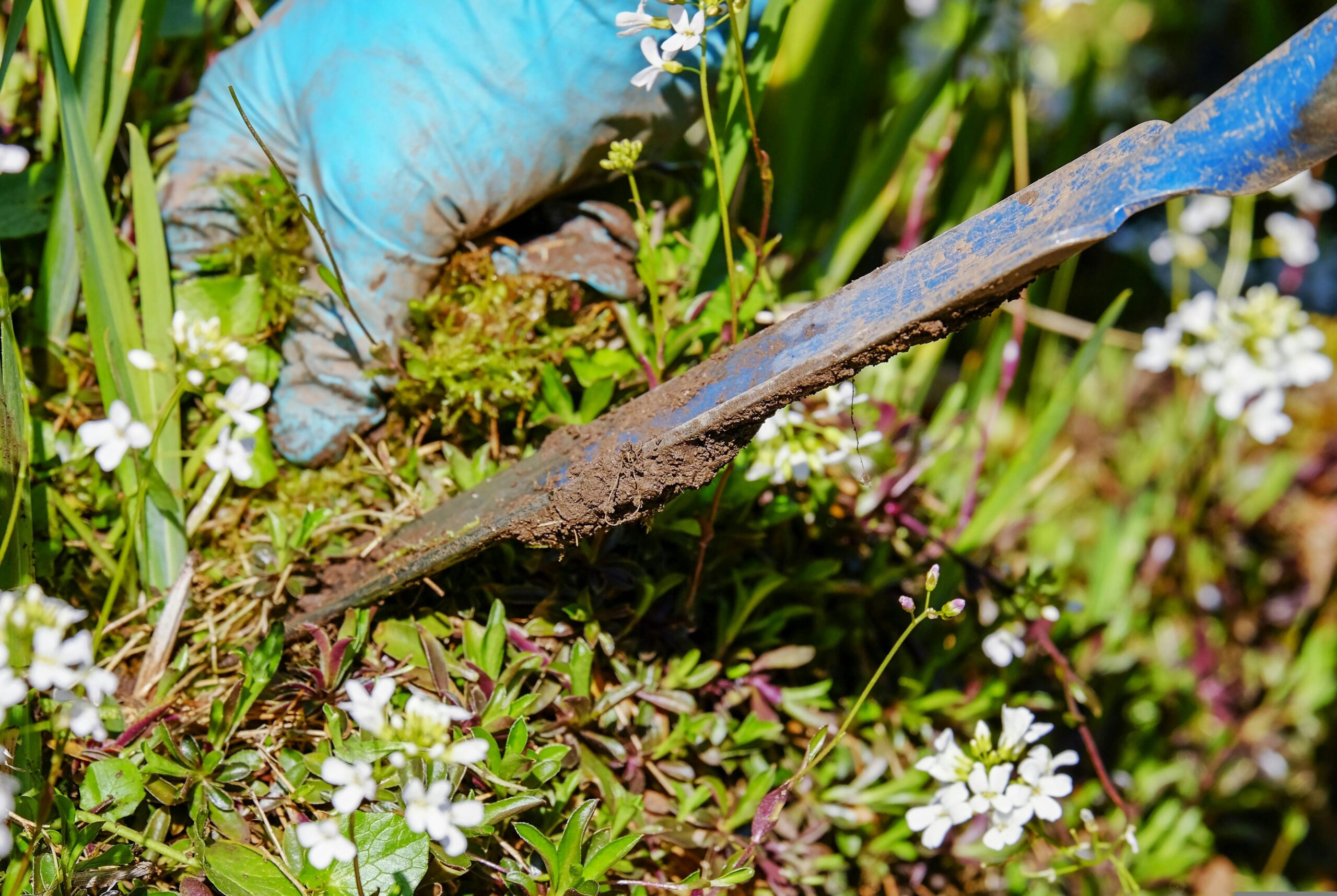
As soon as the soil becomes workable and is no longer waterlogged, begin preparing your garden beds. Remove any winter mulch, pull weeds that have emerged, and incorporate compost or aged manure into the soil. This is the perfect time to test your soil pH and nutrient levels, making amendments based on what you plan to grow.
Cool-season crops thrive when planted in early spring. Vegetables like lettuce, spinach, peas, radishes, and broccoli can tolerate light frosts and actually prefer cooler temperatures. Directly sow seeds for these hardy vegetables as soon as you can work the soil. For flowers, consider planting snapdragons, pansies, and sweet peas to add early color to your landscape.
Mid to Late Spring Garden Activities
Once the danger of frost has passed, typically indicated by your region’s last frost date, transition to warm-season planting. Tomatoes, peppers, cucumbers, squash, and beans are heat-loving plants that will struggle if exposed to cold temperatures. Harden off any seedlings started indoors by gradually exposing them to outdoor conditions over a week or two.
Spring is also prime time for dividing perennials that have become overcrowded, pruning spring-flowering shrubs after they bloom, and establishing new lawns or repairing winter damage to existing turf. Don’t forget to set up support structures like trellises and cages for climbing plants and vining vegetables before they need them.
☀️ Summer: Maintenance and Harvest Season
Summer is when your garden truly comes alive, but it also demands consistent attention to watering, weeding, and pest management. The rewards are substantial, with fresh produce and beautiful blooms providing daily satisfaction for your efforts.
Watering Strategies for Hot Weather
Proper watering becomes critical during summer months. Most gardens need about one inch of water per week, either from rainfall or irrigation. Water deeply but less frequently to encourage deep root development, which makes plants more drought-resistant. Early morning is the ideal time to water, reducing evaporation and preventing fungal diseases that thrive in damp nighttime conditions.
Consider installing drip irrigation or soaker hoses for efficient water delivery directly to plant roots. Mulching around plants with organic materials like straw, wood chips, or shredded leaves helps retain soil moisture, suppress weeds, and regulate soil temperature during heat waves.
Succession Planting for Continuous Harvests
Don’t limit yourself to a single planting in spring. Succession planting involves sowing crops every few weeks to ensure a continuous harvest rather than an overwhelming glut. This strategy works excellently for fast-growing vegetables like lettuce, radishes, beans, and herbs. As you harvest early plantings, replace them with new seeds or transplants.
Mid-summer is also the time to start seeds for fall crops. Broccoli, cabbage, cauliflower, and other cool-season vegetables need to be started indoors during July or early August, depending on your climate zone, so they’ll be ready to transplant when temperatures begin cooling.
Pest and Disease Vigilance
Summer heat and humidity create ideal conditions for garden pests and diseases. Inspect your plants regularly for signs of trouble, including discolored leaves, wilting, or visible insects. Early detection allows for easier management before problems escalate.
Implement integrated pest management strategies that prioritize the least harmful interventions first. Hand-picking larger pests like tomato hornworms, using row covers to exclude insects, encouraging beneficial predators, and applying organic treatments like neem oil or insecticidal soap can effectively control most pest issues without harsh chemicals.
🍂 Fall: Preparation and Transition Time
Autumn offers a second planting season in many regions and provides the perfect opportunity to prepare your garden for winter while still enjoying harvests. The cooler temperatures and typically adequate rainfall make this an enjoyable time to work outdoors.
Fall Planting Opportunities
Fall is actually superior to spring for planting many perennials, trees, and shrubs. Cooler air temperatures reduce stress on plants while soil remains warm enough to encourage root development. This gives plants a head start before winter dormancy and better establishment for the following spring.
For vegetable gardeners, cool-season crops planted now will provide harvests well into winter in milder climates. Garlic cloves planted in fall develop stronger flavor and larger bulbs. Leafy greens, root vegetables like carrots and turnips, and members of the brassica family all perform beautifully when given a fall start.
Garden Cleanup and Soil Building
As plants finish producing, remove spent annuals and vegetable plants, but be strategic about cleanup. Some plant debris harbors disease and should be discarded, while healthy material can be composted or left as habitat for beneficial insects. Standing plant stems and seed heads provide winter food for birds and shelter for pollinators.
Fall is the ideal time to build soil health for next season. Add compost, aged manure, or other organic matter to beds and allow winter weather to naturally incorporate it into the soil. Plant cover crops like winter rye, clover, or vetch to prevent erosion, suppress weeds, and fix nitrogen in the soil when tilled under in spring.
Bulb Planting for Spring Color 🌷
Spring-flowering bulbs like tulips, daffodils, crocuses, and hyacinths must be planted in fall before the ground freezes. These bulbs require a cold period to bloom properly, making autumn planting essential. Choose a planting site with good drainage, as bulbs will rot in waterlogged soil over winter.
Plant bulbs at a depth approximately three times their height, with the pointed end facing upward. For a natural look, scatter bulbs randomly rather than planting in rigid rows. Layering different bulb types at varying depths in the same planting hole creates stunning successive blooms as different varieties emerge at different times.
❄️ Winter: Planning and Passive Care
Winter doesn’t mean gardening stops entirely. While outdoor activities slow considerably, this season offers valuable time for planning, maintenance, and even some planting in mild climates.
Winter Garden Planning
Use winter months to evaluate what worked and what didn’t in the previous growing season. Review your garden journal notes, if you kept them, or simply reflect on successes and challenges. Research new varieties you’d like to try, plan crop rotations to prevent soil depletion and disease buildup, and sketch out garden layouts for the coming year.
Order seeds early from catalogs or online suppliers while selection is best. Popular varieties often sell out quickly. Inventory your gardening supplies and tools, cleaning and sharpening equipment so everything is ready when spring arrives. Organize seeds by planting date to streamline your spring routine.
Protecting Plants from Winter Damage
In regions with harsh winters, protecting vulnerable plants ensures their survival until spring. Apply a thick layer of mulch around the base of perennials, roses, and young trees after the ground freezes to prevent damaging freeze-thaw cycles. Burlap wraps or specialized tree guards protect evergreen shrubs from desiccating winter winds and heavy snow loads.
Container plants are particularly susceptible to freezing temperatures, as roots have less insulation than those in the ground. Move pots to protected locations, group them together for mutual insulation, or wrap containers with bubble wrap or burlap to prevent root damage from freezing.
Winter Sowing and Cold-Frame Gardening
Adventurous gardeners can extend their growing season using cold frames, hoop houses, or even simple cloches. These structures trap solar heat, creating a microclimate several degrees warmer than ambient air temperature. Hardy greens like kale, spinach, mache, and certain lettuces can be harvested throughout winter in these protected environments.
Winter sowing is an innovative technique where seeds are planted in recycled containers outdoors during winter months. The containers act as mini-greenhouses, and seeds naturally stratify through freeze-thaw cycles, germinating when conditions are appropriate in spring. This method works exceptionally well for native plants and perennials that require cold stratification.
📅 Creating Your Personalized Garden Calendar
The key to staying organized throughout the gardening year is creating a personalized calendar based on your specific climate zone, microclimate conditions, and plant preferences. USDA hardiness zones provide a starting point, but local conditions vary significantly even within the same zone.
Track your local last and first frost dates, as these bookend your main growing season. Note when specific spring bulbs emerge, when particular trees leaf out, and when fall colors typically appear. These natural indicators, called phenology, often predict planting times more accurately than calendar dates alone.
Monthly Garden Task Checklist
Breaking down seasonal tasks into monthly objectives prevents overwhelm and ensures nothing gets overlooked. While specific tasks vary by region, a general framework helps structure your gardening year:
- January-February: Order seeds, plan garden layout, prune fruit trees during dormancy, force bulbs indoors for early blooms
- March-April: Start seeds indoors, prepare garden beds, plant cool-season crops, divide perennials, apply pre-emergent weed control
- May-June: Transplant warm-season crops, mulch beds, monitor for pests, stake and support growing plants, harvest early crops
- July-August: Maintain consistent watering, deadhead flowers, start fall crops, harvest continuously, take cuttings for propagation
- September-October: Plant fall vegetables and spring bulbs, divide overgrown perennials, collect seeds, begin garden cleanup
- November-December: Protect tender plants, mulch beds after ground freeze, clean and store tools, reflect on season and plan improvements
🌿 Essential Tools and Resources for Year-Round Success
Having the right tools makes every gardening task easier and more efficient. Invest in quality basics that will last for years: a sturdy spade, garden fork, hoe, hand trowel, pruning shears, and a reliable watering system. Specialty tools can be added as you identify specific needs in your garden.
Technology can also support your gardening efforts. Weather apps help you plan watering and protect plants from unexpected frosts. Garden planning software allows you to design layouts and track crop rotations digitally. Plant identification apps assist with identifying weeds, pests, and volunteer plants that appear unexpectedly.
Keeping a Garden Journal
One of the most valuable gardening tools costs nothing but time. A simple garden journal where you record planting dates, weather conditions, pest problems, harvest quantities, and general observations becomes increasingly valuable over the years. This personalized data helps you refine your approach, remember what varieties performed well, and avoid repeating mistakes.
Photograph your garden throughout the seasons to visually document changes and successes. These images provide design inspiration, help you remember plant names and locations, and create a satisfying record of your gardening journey.
🌎 Adapting to Your Specific Climate Zone
Gardening advice must be adapted to your specific location. A planting calendar for zone 9 in California differs dramatically from zone 5 in Michigan. Understanding your microclimate—the specific conditions in your garden that may differ from the general regional climate—is equally important.
Factors like elevation, proximity to bodies of water, urban heat islands, and landscape features all create microclimates. A south-facing wall might allow you to grow plants rated for one zone warmer, while a low-lying frost pocket might necessitate treating your garden as a zone colder. Observe your property throughout the seasons to identify these variations and garden accordingly.
Sustainable Practices for Long-Term Garden Health
The most successful year-round gardeners think beyond individual seasons, implementing practices that build long-term soil health and create resilient garden ecosystems. Composting returns nutrients to the soil while reducing waste. Crop rotation prevents pest and disease buildup. Planting diverse species supports beneficial insects and pollinators.
Minimize chemical inputs by fostering natural pest control through companion planting and habitat creation. Build soil organic matter through regular compost additions and mulching. Collect rainwater when possible to reduce reliance on treated water. These practices create gardens that become easier to maintain over time while producing healthier, more abundant harvests.
Embracing the Seasonal Garden Journey 🌸
Successful gardening isn’t about perfection—it’s about observation, adaptation, and continuous learning. Each season teaches new lessons about timing, plant preferences, and the unique characteristics of your growing space. Embrace both successes and failures as valuable information that informs future decisions.
The cyclical nature of seasonal gardening provides endless opportunities for renewal and improvement. Every spring offers a fresh start, every autumn invites reflection on the year’s experiences. By staying engaged with your garden throughout all seasons, you’ll develop an intuitive understanding of your plants’ needs and the rhythms of your local environment.
Start small if you’re new to year-round gardening, perhaps focusing on just one or two seasonal tasks initially. As you gain confidence and experience, gradually expand your activities. Join local gardening groups, visit botanical gardens during different seasons, and don’t hesitate to experiment with unfamiliar plants or techniques. The gardening community is remarkably generous with knowledge and encouragement.
With this comprehensive seasonal approach, your garden will provide beauty, food, and satisfaction throughout the entire year. The key is staying organized, planning ahead, and maintaining consistent effort across all seasons. Your garden is a living investment that returns more than you put into it, offering not just tangible harvests but also mental clarity, physical activity, and deep connection with natural cycles that govern life itself.