Growing your own herbs, vegetables, and flowers on a balcony is easier than you think! With the right planting calendar, you can enjoy fresh produce and vibrant blooms throughout the year.

Whether you’re working with a tiny apartment balcony or a spacious terrace, understanding when to plant what makes all the difference between thriving gardens and disappointing results. The key to year-round success lies in timing your plantings according to seasons, climate zones, and the specific needs of each plant variety. This comprehensive planting calendar will transform your balcony into a productive garden space that delivers fresh harvests and beautiful flowers no matter the month.
🌱 Understanding Your Balcony Microclimate Before Planting
Before diving into planting schedules, you need to assess your balcony’s unique growing conditions. Every balcony has its own microclimate that affects what grows best and when. Start by determining which direction your balcony faces—south-facing balconies receive the most sunlight in the Northern Hemisphere, while north-facing ones stay cooler and shadier.
Check how many hours of direct sunlight your space receives daily. Full-sun plants need six to eight hours, while partial shade plants thrive with three to six hours. Also consider wind exposure, as higher floors experience stronger winds that can dry out plants faster. Urban balconies often benefit from the heat island effect, which can extend your growing season by a few weeks compared to rural areas.
Spring Planting Guide: March to May 🌸
Spring marks the beginning of the active growing season for most balcony gardeners. As temperatures consistently stay above 50°F (10°C), it’s time to start your early-season crops and prepare containers for the abundant growth ahead.
Early Spring Plantings (March-April)
Cool-season vegetables love the mild temperatures of early spring. Lettuce, spinach, arugula, and other leafy greens can be direct-sown into containers as soon as the soil is workable. These fast-growing crops will give you harvests within four to six weeks. Peas are another excellent early spring choice—sugar snap and snow peas grow vertically, making them perfect for balcony gardens with limited floor space.
Herbs like cilantro, parsley, and chives also appreciate the cooler spring weather. Plant them in early spring for the best flavor before summer heat causes them to bolt. Radishes are the ultimate beginner crop, maturing in just three to four weeks and tolerating cool conditions beautifully.
Late Spring Plantings (May)
Once the danger of frost passes and nighttime temperatures remain above 55°F (13°C), it’s time to plant warm-season favorites. Tomatoes are the most popular balcony vegetable—choose determinate or dwarf varieties bred for containers. Plant them deep, burying part of the stem to encourage strong root development.
Peppers, both sweet and hot varieties, thrive in containers and produce abundantly throughout summer. Herbs like basil, oregano, and thyme should be planted now when soil temperatures warm up. Annual flowers such as petunias, marigolds, and zinnias add color and can be companion planted with vegetables to attract pollinators.
Summer Success: June to August ☀️
Summer is peak growing season on most balconies, but it also brings challenges like intense heat and drought stress. Strategic planting and maintenance during these months ensures continuous harvests and prevents your garden from suffering in the heat.
Early Summer Additions (June)
You can still plant many crops in early summer. Bush beans are quick-growing and produce heavily in containers—succession plant every two weeks for continuous harvests. Cucumber varieties labeled “patio” or “bush” work excellently on balconies and can be grown up trellises to save space.
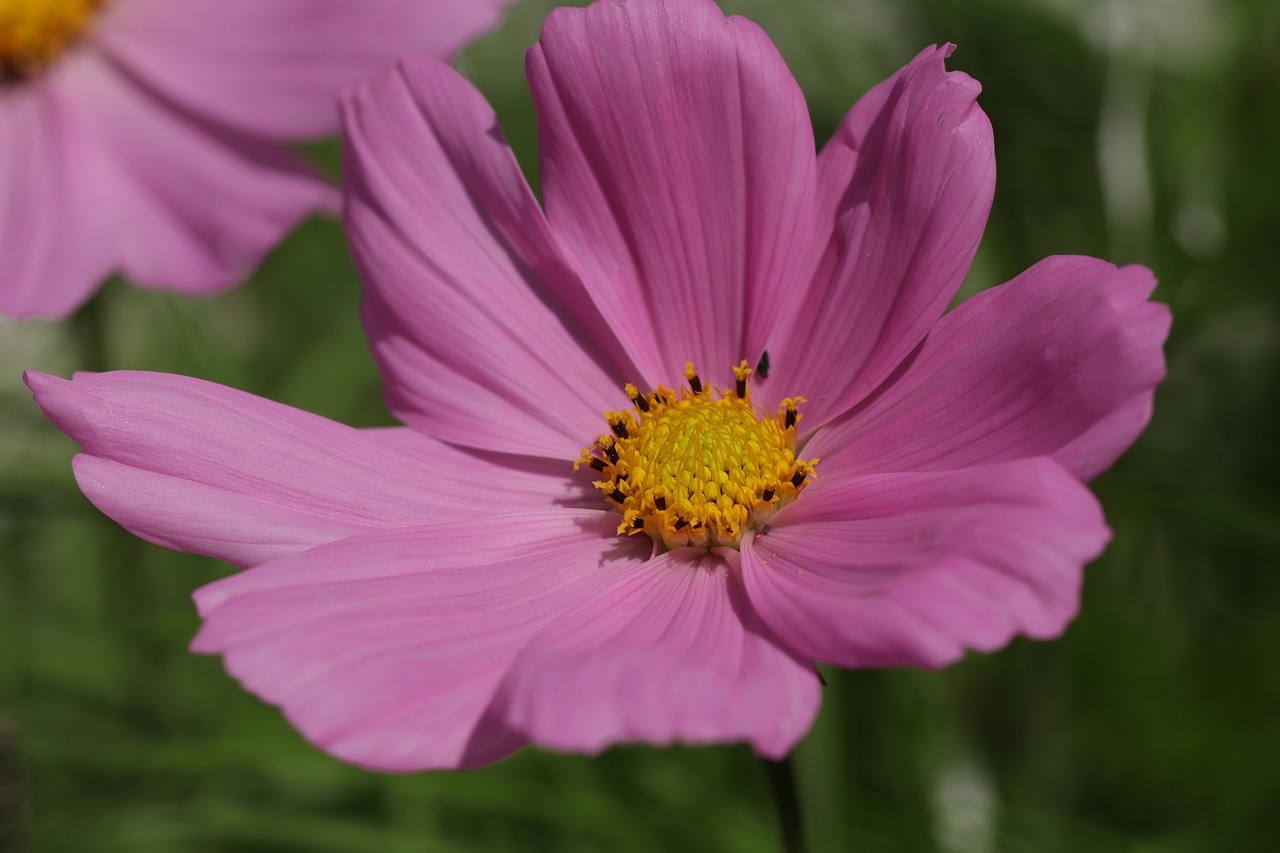
Summer squash and zucchini produce prolifically in large containers—one plant is often enough for most households. For flowers, sunflowers in dwarf varieties create stunning vertical interest, while cosmos and nasturtiums are heat-tolerant and edible.
Mid to Late Summer Maintenance
During the hottest months, focus on keeping established plants healthy rather than starting new ones. Water deeply and consistently, as containerized plants dry out faster than in-ground gardens. Consider shade cloth for afternoon protection if your balcony faces west or south.
This is also the time to plan your fall garden. Start seeds for cool-season crops indoors during late July and August, so they’re ready to transplant when temperatures drop. Remove spent spring crops and refresh potting soil by adding compost to prepare containers for fall plantings.
Fall Harvest Planning: September to November 🍂
Fall offers a second growing season that many balcony gardeners overlook. Cooler temperatures and reduced pest pressure make autumn an ideal time for growing many crops, especially leafy greens and root vegetables.
Early Fall Plantings (September)
Replant all your favorite spring greens—lettuce, spinach, arugula, and kale all taste sweeter when grown in fall’s cooler weather. These crops can tolerate light frosts and will produce well into late fall or even winter in mild climates. Broccoli and cauliflower transplants can go into large containers now for winter harvests.
Asian greens like bok choy, mizuna, and tatsoi grow quickly and add variety to your salad bowl. Swiss chard is both productive and ornamental, with colorful stems that brighten fall containers. Plant garlic cloves in deep pots for harvest the following summer.
Late Fall Considerations (October-November)
As temperatures continue dropping, focus on cold-hardy crops that can withstand frost. Mache (corn salad) and winter lettuces are incredibly cold-tolerant and will grow slowly throughout winter in many zones. Plant spring-blooming bulbs like tulips, daffodils, and crocuses in containers for early spring color.
Perennial herbs like sage, thyme, and rosemary can be planted now to establish roots before winter dormancy. Pansies and violas provide cheerful color throughout fall and winter in mild climates, often blooming right through light snow.
Winter Growing Strategies: December to February ❄️
Winter doesn’t mean your balcony garden has to go dormant. With the right plant choices and some protection strategies, you can grow fresh food even during the coldest months.
Cold-Climate Winter Growing
In zones with harsh winters, focus on microgreens and sprouts grown indoors near balcony windows. These nutrient-dense greens grow quickly on windowsills and don’t require outdoor space. Hardy herbs like parsley and chives often survive under snow cover and can be harvested during mild spells.
If you have space to bring containers indoors, overwinter tender perennials like rosemary, bay laurel, and lemon verbena. Keep evergreen herbs accessible by placing them near the door for easy winter harvesting. Plan next season’s garden by reviewing what worked well and ordering seeds for spring.
Mild-Climate Winter Plantings
Gardeners in zones 8-10 can grow actively throughout winter. Plant cool-season crops like cabbage, broccoli, and cauliflower for winter and early spring harvests. Fava beans planted in fall will overwinter and produce heavy yields in early spring.
Winter lettuces, spinach, and Asian greens continue producing in mild winter climates, especially with frost protection on the coldest nights. Peas planted in late winter will be ready to harvest in early spring. Ornamental cabbages and kale add stunning color to winter containers.
Essential Month-by-Month Quick Reference 📅
Here’s a condensed planting guide you can reference throughout the year:
- January: Plan garden layout, order seeds, start onions and leeks indoors
- February: Start tomatoes and peppers indoors, plant early peas in mild climates
- March: Direct sow lettuce, spinach, radishes; transplant cool-season starts
- April: Plant potatoes, carrots, beets; start warm-season herbs
- May: Transplant tomatoes, peppers, eggplant; plant basil and cucumbers
- June: Plant beans, squash, additional basil; add summer flowers
- July: Start fall crop seeds indoors, maintain existing plants
- August: Plant fall lettuce and greens, transplant fall brassicas
- September: Heavy fall planting of all cool-season crops
- October: Plant garlic, spring bulbs, and cold-hardy greens
- November: Protect sensitive plants, plant winter pansies
- December: Harvest winter greens, plan next year’s garden
Container Selection and Soil Preparation 🪴
Success in balcony gardening heavily depends on choosing appropriate containers and quality growing medium. Most vegetables and herbs need containers at least 12 inches deep, though tomatoes, peppers, and larger plants prefer 18-24 inch depths. Drainage holes are non-negotiable—waterlogged roots lead to disease and plant death.
Invest in quality potting mix specifically formulated for containers rather than garden soil, which compacts and drains poorly in pots. Look for mixes containing peat moss or coconut coir, perlite or vermiculite for drainage, and compost for nutrients. Refresh or amend potting soil annually, as nutrients deplete faster in containers than in-ground gardens.
Succession Planting for Continuous Harvests
One secret to year-round production is succession planting—sowing small amounts of fast-maturing crops every two to three weeks rather than planting everything at once. This technique works exceptionally well for lettuce, radishes, beans, and herbs, ensuring you always have something ready to harvest.
For example, plant just six lettuce plants every two weeks from spring through fall. By the time the first planting matures, the second is half-grown, and the third is just emerging. This prevents the feast-or-famine cycle where everything ripens simultaneously, then nothing is available for weeks.
Vertical Growing Maximizes Limited Space 📏
Balcony gardens have limited square footage, but vertical space is often underutilized. Trellises, stakes, and wall-mounted planters dramatically increase growing capacity without sacrificing floor space. Vining crops like peas, pole beans, cucumbers, and indeterminate tomatoes naturally grow upward with support.
Hanging baskets work beautifully for trailing plants like cherry tomatoes, strawberries, and herbs. Wall-mounted pocket planters or vertical garden systems can hold dozens of small plants in the space of a single large container. Even root vegetables like carrots can grow in deep vertical towers designed for balcony use.
Dealing with Common Balcony Challenges 🛠️
Balcony gardening presents unique challenges that in-ground gardeners don’t face. Wind exposure can dry out plants rapidly and damage tender growth—windbreaks like bamboo screens or trellises with vining plants provide protection. Weight restrictions on balconies require using lightweight containers and potting mixes, especially for high-rise dwellers.
Limited access to water means installing drip irrigation or self-watering containers to maintain consistent moisture. High temperatures on sun-exposed balconies can be mitigated with shade cloth during peak summer heat. Pest management focuses on prevention—healthy plants resist problems better, and physical barriers like row covers protect vulnerable crops.
Year-Round Herb Growing Made Simple 🌿
Herbs are the ultimate balcony crop, delivering intense flavor from compact plants. Divide them into cool-season and warm-season categories for planting success. Cool-season herbs like cilantro, parsley, dill, and chervil prefer spring and fall temperatures, bolting quickly in summer heat.
Warm-season herbs including basil, oregano, thyme, and rosemary thrive in summer warmth and should be planted after frost danger passes. Perennial herbs like sage, thyme, rosemary, and chives survive winter in many zones and provide years of harvests from a single planting. Keep a succession of basil going by planting new plants every month from May through August for continuous pesto production.
Edible Flowers Add Beauty and Flavor 🌺
Don’t overlook edible flowers, which serve multiple purposes in balcony gardens. Nasturtiums produce peppery leaves and flowers while trailing beautifully from containers. Calendula blooms continuously and attracts beneficial insects while adding color to salads. Pansies and violas are cold-hardy, blooming from fall through spring in many climates.
Borage attracts pollinators with blue star-shaped flowers that taste like cucumber. Marigolds deter some pests while adding bright orange and yellow blooms. Plant edible flowers alongside vegetables to create a productive landscape that’s as beautiful as it is functional.
Extending Your Growing Season With Protection
Simple season extension techniques add weeks or even months to your productive growing time. Cold frames made from clear plastic storage bins protect plants from frost while letting in light and warmth. Row covers made from lightweight fabric shield crops from cold while allowing water and light penetration.
In summer, shade cloth reduces heat stress on cool-season crops, potentially extending spring harvests well into summer. For winter growing, cloches or plastic bottle covers protect individual plants during cold snaps. Moving containers closer to walls or building corners provides additional warmth from radiant heat.
Creating Your Personalized Planting Calendar
Use this comprehensive guide as a starting point, then customize it based on your specific location, balcony conditions, and personal preferences. Track what you plant and when, noting successes and failures to improve each season. Local extension services provide region-specific planting dates based on average frost dates and climate patterns.
Consider keeping a garden journal documenting planting dates, varieties grown, and harvest quantities. Over time, you’ll develop an intuitive understanding of what works best in your unique microclimate. Connect with other balcony gardeners online or in your building to share tips, seeds, and harvests.
Your balcony garden can provide fresh herbs, vegetables, and flowers throughout the entire year with proper planning and this ultimate planting calendar. Start small, learn from each season, and gradually expand your growing repertoire. The satisfaction of harvesting ingredients you grew yourself, just steps from your kitchen, makes balcony gardening one of the most rewarding hobbies. With consistent care and strategic planting times, your small outdoor space will become a productive paradise that delivers flavor, beauty, and connection to nature regardless of the season. 🌱