Growing fresh herbs at home is one of the most rewarding gardening experiences, offering aromatic flavors and culinary possibilities throughout the entire year.

Whether you’re a seasoned gardener or just starting your green journey, understanding the seasonal rhythms of herb cultivation can transform your garden into a perpetual source of fresh, flavorful ingredients. Each season brings unique opportunities and challenges, but with proper planning and knowledge, your herb garden can thrive regardless of the weather outside your window.
🌱 Understanding Seasonal Herb Growing Fundamentals
The key to successful year-round herb gardening lies in recognizing that different herbs have distinct temperature preferences and growth patterns. Some herbs are hardy perennials that withstand frost, while others are tender annuals that thrive only in warm conditions. By categorizing herbs according to their seasonal preferences, you can create a planting schedule that ensures continuous harvests throughout all four seasons.
Temperature, daylight hours, and moisture levels are the three primary factors influencing herb growth. Cool-season herbs typically prefer temperatures between 50-70°F (10-21°C), while warm-season varieties flourish when temperatures range from 70-85°F (21-29°C). Understanding these preferences allows you to plan your garden strategically, ensuring each herb gets planted at its optimal time.
Spring Planting: The Season of Fresh Beginnings 🌸
Spring represents the most exciting time for herb gardeners, as the warming soil and increasing daylight trigger vigorous growth in countless varieties. This season offers the perfect opportunity to establish both annual and perennial herbs that will provide harvests well into summer and beyond.
Early Spring Herbs to Plant
As soon as the soil becomes workable and the risk of hard frost diminishes, you can begin planting cold-hardy herbs. Chives, parsley, cilantro, and dill are excellent early spring choices that actually prefer cooler temperatures. These herbs can tolerate light frosts and will establish strong root systems before summer heat arrives.
Parsley, in particular, benefits from early planting as it requires consistent moisture and cool conditions for germination. Sow seeds directly in the garden or start transplants indoors 6-8 weeks before the last expected frost date. The same timing works beautifully for cilantro, though this herb tends to bolt quickly once temperatures exceed 75°F (24°C).
Mid to Late Spring Additions
As spring progresses and soil temperatures warm to at least 60°F (15°C), it’s time to introduce heat-loving herbs like basil, oregano, thyme, and rosemary. Basil is particularly sensitive to cold and should never be planted outdoors until all danger of frost has passed and nighttime temperatures consistently stay above 50°F (10°C).
This is also an excellent time to divide and transplant established perennial herbs like mint, lemon balm, and oregano. These vigorous growers benefit from division every 2-3 years, which rejuvenates the plants and provides you with additional specimens to expand your garden or share with fellow gardeners.
Summer Herb Garden Management ☀️
Summer brings abundant growth and frequent harvesting opportunities, but it also presents challenges like intense heat, pest pressure, and the tendency of some herbs to bolt or decline in quality. Proper summer management ensures your herbs remain productive and flavorful throughout the hottest months.
Heat-Loving Herbs That Thrive
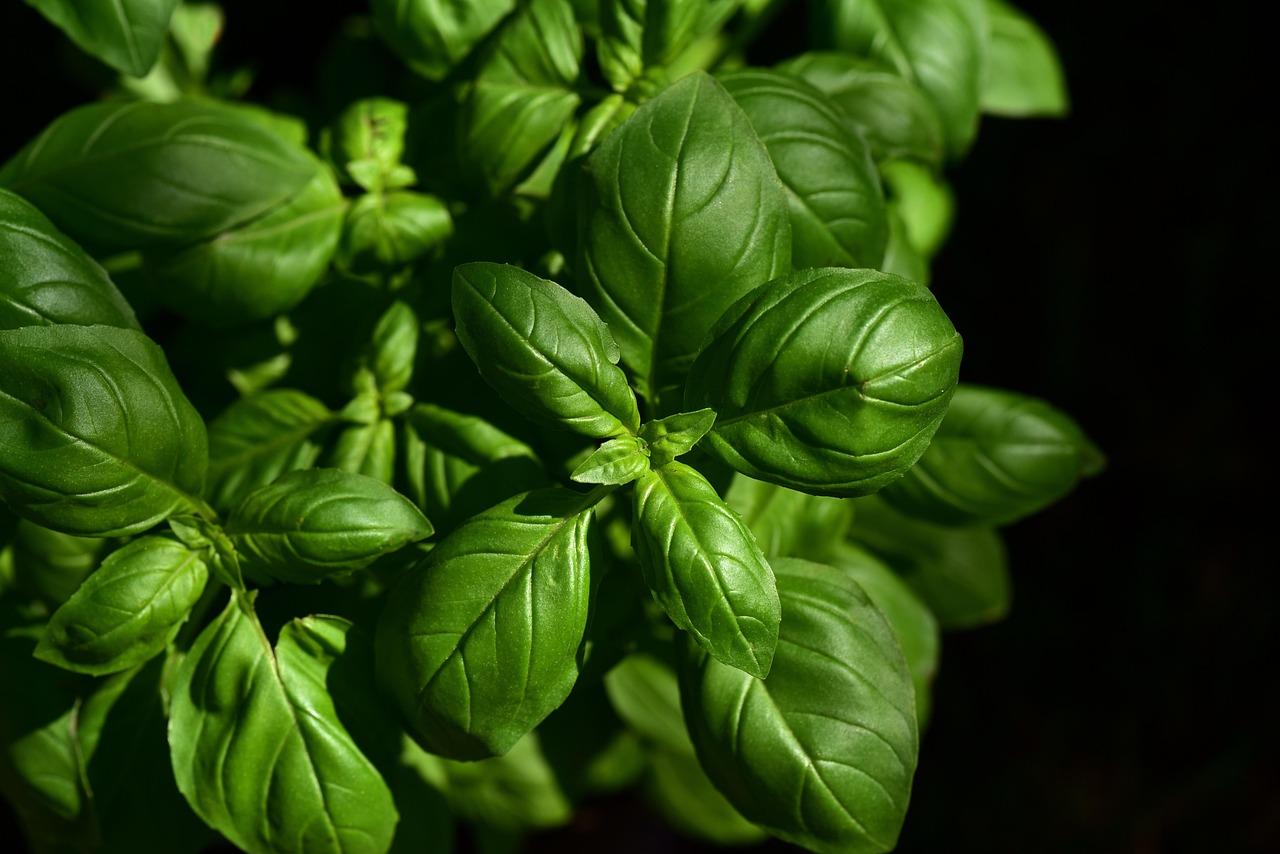
Basil reaches its peak performance during summer months, producing abundant aromatic leaves perfect for pesto, caprese salads, and countless other dishes. Regular harvesting encourages bushier growth and prevents flowering, which can make leaves bitter. Pinch off flower buds as soon as they appear to maintain leaf production.
Other summer champions include rosemary, thyme, sage, and oregano—Mediterranean herbs that evolved in hot, dry conditions. These herbs actually develop more intense flavors when grown in full sun with moderate water stress. However, even these hardy varieties appreciate occasional deep watering during extreme heat waves.
Succession Planting for Continuous Harvests
To maintain a steady supply of quick-maturing herbs like cilantro, dill, and basil, practice succession planting every 2-3 weeks throughout summer. This technique ensures that as one planting matures and begins to decline, fresh young plants are coming into production. For cilantro specifically, choose slow-bolt varieties bred to withstand summer heat without immediately flowering.
Container gardening becomes particularly valuable during summer, as pots can be moved to shadier locations during the hottest part of the day. This strategy works exceptionally well for cilantro, parsley, and chervil—herbs that prefer some afternoon shade when temperatures soar above 85°F (29°C).
🍂 Fall Herb Planting: Preparing for Cooler Days
As summer transitions to fall, a second wave of planting opportunities emerges. Cooler temperatures and increased moisture create ideal conditions for establishing cool-season herbs and preparing perennials for winter dormancy.
Cool-Season Herbs to Plant in Autumn
Fall is the perfect time to sow parsley, cilantro, chervil, and arugula for extended harvests. These herbs germinate readily in the cooling soil and will continue producing through light frosts and even into winter in mild climates. In regions with moderate winters, fall-planted parsley can overwinter successfully and resume vigorous growth the following spring.
Garlic and perennial onions should be planted in fall for harvest the following summer. Plant individual cloves 4-6 weeks before the ground freezes, allowing time for root establishment before winter dormancy. This extended growing period results in larger, more flavorful bulbs compared to spring planting.
Protecting Tender Perennials
As frost approaches, take steps to protect tender perennial herbs like rosemary, bay laurel, and lemon verbena. In colder climates (USDA zones 7 and below), these herbs benefit from being potted up and brought indoors before the first hard freeze. Place them in bright south-facing windows where they’ll receive at least 6 hours of direct sunlight daily.
For herbs remaining in the garden, apply a 2-3 inch layer of organic mulch around the base of perennial plants after the first light frost. This insulation protects roots from extreme temperature fluctuations and reduces frost heaving that can damage plant crowns.
Winter Herb Growing Strategies ❄️
Winter doesn’t mean the end of fresh herb harvests. With strategic planning and the right techniques, you can continue growing flavorful herbs even during the coldest months. The approach varies significantly depending on your climate zone and available growing space.
Hardy Herbs for Winter Harvests
Several herbs demonstrate remarkable cold tolerance and can be harvested throughout winter in many regions. Thyme, winter savory, sage, and certain varieties of oregano remain evergreen in USDA zones 6-9, providing fresh leaves even when snow covers the ground. For best results, harvest in late morning after frost has melted but before afternoon sun wilts the foliage.
Parsley deserves special mention as a winter survivor. This biennial herb tolerates temperatures down to 10°F (-12°C) and continues producing new growth during winter warm spells. A simple cold frame or cloche can extend its productive season even further, protecting leaves from wind damage and extreme cold.
Indoor Herb Gardening Solutions
Indoor herb gardening becomes essential for year-round harvests in cold winter climates. A sunny south-facing window can support herbs like basil, cilantro, parsley, and chives, though supplemental lighting often improves results. LED grow lights designed for herbs provide the full spectrum of light needed for healthy growth without excessive electricity consumption.
When growing herbs indoors, proper drainage is critical to prevent root rot. Use pots with drainage holes and a well-draining potting mix specifically formulated for container growing. Water only when the top inch of soil feels dry to the touch, and reduce watering frequency during winter when growth naturally slows.
Greenhouse and Cold Frame Advantages
Gardeners with access to greenhouses or cold frames enjoy extended growing seasons and greater variety during winter months. Unheated cold frames can extend the season by 4-6 weeks in spring and fall, while heated greenhouses enable tropical herb cultivation even in northern climates.
Cold frames work particularly well for cilantro, lettuce, spinach, and other cool-season greens that bolt quickly in summer heat. The protected environment maintains soil temperatures above freezing while providing shelter from drying winter winds. Ventilation on sunny days prevents excessive heat buildup that can damage plants.
🌿 Year-Round Herb Care Essentials
Successful year-round herb growing requires consistent attention to fundamental care practices. While specific needs vary by herb and season, certain principles apply universally across all growing conditions.
Soil Requirements and Preparation
Most culinary herbs prefer well-draining soil with a neutral to slightly alkaline pH between 6.5-7.5. Heavy clay soils benefit from amendments like compost, perlite, or coarse sand to improve drainage and prevent waterlogging. Mediterranean herbs (rosemary, thyme, oregano, sage) tolerate somewhat poor, rocky soil and actually develop more concentrated flavors in lean conditions compared to rich, heavily fertilized environments.
Before each planting season, incorporate 2-3 inches of finished compost into your herb beds. This organic matter improves soil structure, provides slow-release nutrients, and supports beneficial microbial populations that contribute to plant health. Avoid fresh manure, which can burn herb roots and introduce excessive nitrogen that promotes leafy growth at the expense of flavor concentration.
Watering Wisdom Throughout the Seasons
Watering needs fluctuate dramatically with the seasons. Spring and fall typically provide adequate natural rainfall in most regions, reducing or eliminating the need for supplemental irrigation. Summer demands increase significantly, with most herbs requiring deep watering 1-2 times weekly during hot, dry weather.
The key is watering deeply but infrequently, encouraging roots to grow deeper into the soil where moisture remains more consistent. Shallow, frequent watering creates shallow root systems vulnerable to stress during hot weather. Early morning watering is ideal, allowing foliage to dry before evening and reducing disease risk.
Harvesting for Maximum Flavor and Continued Production
Proper harvesting techniques maintain plant vigor while maximizing flavor quality. For most herbs, harvest in the morning after dew has dried but before the sun’s heat dissipates essential oils. Use clean, sharp scissors or pruning shears to make clean cuts that heal quickly and resist disease entry.
Never remove more than one-third of a plant’s foliage at once, as this can stress the plant and reduce its ability to photosynthesize and produce new growth. Regular light harvesting actually encourages bushier, more productive plants compared to infrequent heavy harvesting. For annual herbs like basil, consistently pinching back growing tips prevents flowering and extends the productive season.
Pest and Disease Management Across Seasons 🐛
Different seasons bring distinct pest and disease challenges. Spring often sees aphid populations explode as tender new growth emerges. Summer brings spider mites, whiteflies, and fungal diseases encouraged by heat and humidity. Fall slug activity increases with cooler, wetter conditions, while winter indoor growing can promote fungus gnats and powdery mildew.
Prevention remains the most effective strategy. Proper spacing ensures good air circulation that discourages fungal diseases. Crop rotation in annual herb beds prevents soil-borne disease buildup. Encouraging beneficial insects like ladybugs, lacewings, and parasitic wasps through diverse plantings creates natural pest control that requires no intervention.
When problems occur, start with the gentlest effective solution. Hand-picking larger pests, strong water sprays to dislodge aphids, and insecticidal soap for soft-bodied insects handle most herb pest issues without toxic chemicals. For fungal diseases, improve air circulation, reduce overhead watering, and remove affected foliage promptly to prevent spread.
Special Considerations for Container Herb Gardens 🪴
Container growing offers unique advantages for year-round herb cultivation, particularly the ability to move plants between outdoor and indoor locations as seasons change. However, containers also present specific challenges that require different management approaches than in-ground gardens.
Container size matters significantly for herb health and productivity. Small pots dry out quickly and restrict root development, limiting plant size and harvest potential. Most herbs perform best in containers at least 8-12 inches in diameter and depth. Larger pots provide greater soil volume, which buffers against temperature fluctuations and extends the time between watering.
Drainage is absolutely critical in container growing. Even moisture-loving herbs like mint and parsley can develop root rot in waterlogged soil. Ensure every container has multiple drainage holes and use a quality potting mix rather than garden soil, which compacts in containers and restricts root growth.
Preserving Your Herb Harvests for Year-Round Use 🌿
Even with careful planning, most gardens experience peak production periods when harvests exceed immediate culinary needs. Preserving these abundant harvests ensures access to homegrown herb flavors throughout the year, even when fresh growth is limited.
Drying remains the simplest preservation method for herbs with low moisture content like rosemary, thyme, oregano, and sage. Bundle stems with rubber bands and hang upside down in a dark, well-ventilated location until leaves crumble easily. Store dried herbs in airtight containers away from light and heat, where they’ll maintain quality for 6-12 months.
Freezing better preserves the flavor of high-moisture herbs like basil, cilantro, parsley, and chives. Chop herbs finely and pack into ice cube trays, then cover with water or olive oil and freeze. Once solid, transfer cubes to freezer bags for convenient single-serving portions. Frozen herbs maintain quality for 4-6 months and can be added directly to soups, stews, and sauces without thawing.
Creating Your Personalized Year-Round Planting Calendar 📅
The final step in achieving year-round herb success involves creating a personalized planting calendar based on your specific climate zone, available growing space, and culinary preferences. Start by determining your USDA hardiness zone and average first and last frost dates, which form the foundation of your planting schedule.
List your favorite herbs and categorize them by temperature preference: cool-season, warm-season, or year-round hardy perennials. For each herb, note the optimal planting time, expected days to harvest, and preservation method if applicable. This creates a master reference that removes guesswork and ensures timely planting throughout the year.
Track your results each season, noting which varieties performed best, which planting times yielded optimal results, and any challenges encountered. This gardening journal becomes increasingly valuable over time, helping you refine your approach and maximize success in your specific growing conditions.
Embracing the Year-Round Herb Growing Journey 🌍
Year-round herb growing transforms your relationship with food and gardening, connecting you more deeply to seasonal rhythms while ensuring constant access to fresh, flavorful ingredients. The learning curve is gentle, with each season bringing new insights and opportunities for refinement.
Start small if you’re new to herb gardening, focusing on 4-5 favorite herbs that suit your climate and cooking style. As confidence and experience grow, expand your collection to include more unusual varieties and challenging techniques. The beauty of herb gardening lies in its scalability—a few pots on a sunny windowsill can be just as rewarding as an expansive outdoor herb garden.
Remember that every gardener faces challenges, from unexpected frosts to pest invasions to plants that simply don’t thrive despite perfect care. These experiences are learning opportunities rather than failures, gradually building the intuitive understanding that distinguishes experienced gardeners from beginners.
The reward for your efforts extends far beyond the kitchen. Fresh herbs elevate everyday meals into memorable culinary experiences, their vibrant flavors and aromas bringing joy to cooking and eating. The act of tending herbs—whether harvesting basil on a summer evening or checking cold frames on a winter morning—provides a grounding connection to natural cycles increasingly rare in modern life. With the seasonal tips and strategies outlined in this guide, your garden can become a perpetual source of fresh flavors, enriching your life throughout every season of the year.