Every gardener dreams of lush, thriving plants, but nature rarely delivers perfect growing conditions across an entire garden space.

Understanding and mastering your garden’s microclimates can transform your growing success dramatically. These small-scale climate variations within your property create unique opportunities and challenges that, when properly identified and managed, allow you to cultivate plants that might otherwise struggle in your region. Whether you’re dealing with a sun-scorched corner or a perpetually damp spot beneath a tree, this comprehensive guide will equip you with the knowledge and practical tools to map, understand, and optimize every square foot of your growing space.
🌤️ Understanding Microclimates: The Hidden Weather Patterns in Your Backyard
A microclimate represents a localized atmospheric zone where conditions differ from the surrounding area. These variations can be subtle or dramatic, affecting temperature, humidity, wind exposure, and light availability. Your garden likely contains multiple microclimates, each with distinct characteristics that influence plant health and productivity.
The concept becomes particularly valuable when you consider that two areas separated by just a few feet can experience temperature differences of 10-15 degrees Fahrenheit. A south-facing brick wall might create a warm, protected pocket perfect for heat-loving tomatoes, while the north side of your house remains cool enough for lettuce well into summer.
The Five Primary Factors Creating Microclimates
Several environmental elements combine to create these unique growing zones. Temperature variations occur due to sun exposure, thermal mass from structures and hardscaping, and cold air drainage patterns. Wind patterns change based on buildings, fences, and vegetation that either block or channel airflow. Moisture levels fluctuate according to drainage, proximity to water features, and shade coverage. Light availability differs throughout the day and seasons based on structures and plant canopy. Finally, soil conditions vary based on composition, drainage, and microbial activity.
📋 Your Essential Microclimate Assessment Checklist
Before you can optimize your garden’s microclimates, you need to identify and document them systematically. This comprehensive checklist will guide you through a thorough evaluation of your growing space, revealing hidden opportunities and potential challenges.
Temperature Mapping Points
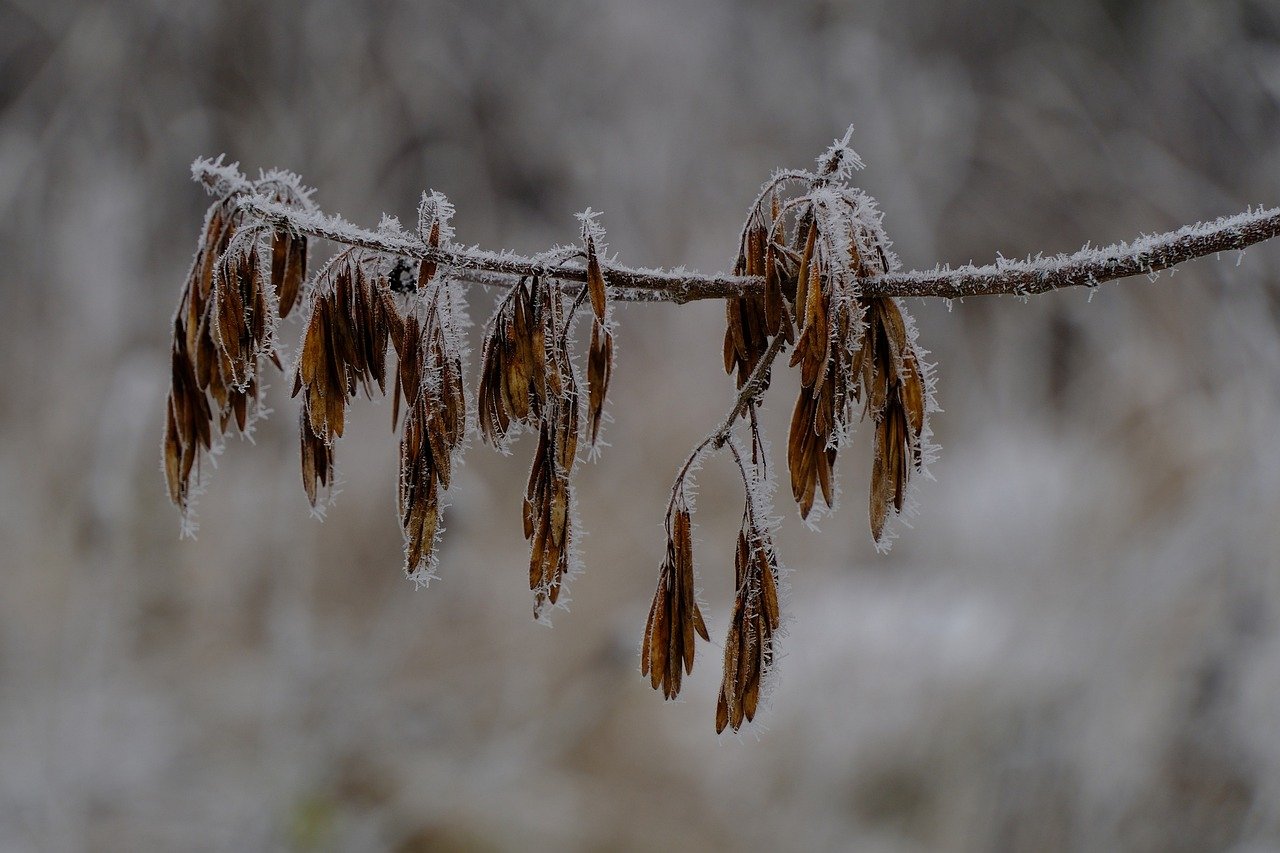
Begin your assessment by evaluating temperature variations throughout your garden. Note areas that receive first morning sun, as these warm quickly and extend your growing season. Identify frost pockets where cold air settles—typically low-lying areas or spots blocked from overhead tree cover. Document heat sinks like south-facing walls, stone pathways, or dark mulched areas that absorb and radiate warmth. Mark areas that remain shaded and cool throughout the day, perfect for cool-season crops.
Consider seasonal changes too. That sunny winter spot might become deeply shaded when deciduous trees leaf out in summer. Track these patterns across multiple seasons for the most accurate microclimate map.
Wind and Air Circulation Assessment
Wind profoundly affects plant health, influencing transpiration rates, pollination, disease pressure, and temperature. Walk your garden on a breezy day, noting where wind tunnels between structures or where protected pockets exist. Check for areas with stagnant air, which increases humidity and disease risk, particularly problematic for tomatoes, roses, and squash.
Wind breaks created by fences, hedges, or structures create protected zones extending roughly ten times the height of the barrier. These sheltered areas allow earlier spring planting and protect delicate flowers from damage.
Light Exposure Documentation
Light availability determines which plants will thrive in each location. Full sun areas receive 6-8+ hours of direct sunlight daily, ideal for most vegetables, fruits, and sun-loving ornamentals. Partial sun or partial shade zones get 3-6 hours, perfect for leafy greens, root vegetables, and many herbs. Full shade areas with less than 3 hours of direct sun suit hostas, ferns, and woodland plants.
Track sun patterns at different times: morning sun tends to be gentler, while afternoon sun brings intense heat. Eastern exposure provides morning warmth without scorching afternoon rays, while western exposure delivers challenging hot afternoon sun that stresses many plants.
Moisture and Drainage Evaluation
Water distribution across your garden creates distinct microclimates. After heavy rain, observe where water pools, where it drains quickly, and where soil remains consistently moist. Areas near downspouts or at the base of slopes typically stay wetter. Sandy or raised areas dry out faster. Proximity to large trees creates dry zones as roots compete for moisture.
Dig test holes in various locations to examine soil moisture at different depths. Soil that remains soggy 24 hours after rain has drainage issues, while soil that dries within hours may need amendment with organic matter to improve water retention.
🗺️ Creating Your Personalized Garden Microclimate Map
Once you’ve collected assessment data, transform it into a visual reference tool. Start with a simple sketch or overhead diagram of your property, including structures, trees, fences, and hardscaping. Use a different colored pencil or marker for each factor—blue for wet areas, red for hot zones, yellow for full sun, green for wind protection, and so forth.
Layer these observations to identify compound microclimates. For example, a south-facing wall location that’s also protected from wind and receives excellent drainage creates a premium microclimate for Mediterranean herbs like rosemary, lavender, and thyme. Conversely, a north-facing area with poor drainage and heavy shade might suit ferns, hostas, and astilbe beautifully.
Seasonal Variations to Document
Your microclimate map shouldn’t be static. Create seasonal versions noting how conditions change. Spring microclimates benefit from early-warming zones and frost-free pockets for jump-starting warm-season crops. Summer maps highlight cool refuges and adequate moisture zones for heat-sensitive plants. Fall documentation shows areas that stay warm longest for extending harvests. Winter mapping reveals cold spots, wind-exposed areas, and potential locations for cold frames or season extension.
🌱 Matching Plants to Microclimates for Maximum Success
With your microclimate map complete, you can make strategic planting decisions that work with your garden’s natural patterns rather than against them. This approach reduces maintenance, conserves resources, and produces healthier, more productive plants.
Hot and Dry Microclimates
These challenging areas often frustrate gardeners, but many desirable plants actually prefer these conditions. Mediterranean herbs thrive here—rosemary, oregano, sage, and thyme all originated in hot, dry climates. Succulents and cacti obviously excel in these spots. Many native plants adapted to your region’s natural dry season will flourish. Heat-loving vegetables like tomatoes, peppers, eggplants, and melons perform exceptionally well when given adequate water.
Enhance these areas by adding organic mulch to moderate soil temperature and retain moisture, installing drip irrigation for efficient watering, and providing afternoon shade for plants that struggle with intense heat.
Cool and Moist Microclimates
These areas support an entirely different plant palette. Leafy greens like lettuce, spinach, arugula, and Asian greens bolt more slowly here. Root vegetables including beets, carrots, and radishes appreciate consistent moisture. Brassicas such as broccoli, cauliflower, and kale prefer cooler conditions. Berries like raspberries and blueberries often perform well. Shade-tolerant ornamentals including hostas, ferns, astilbe, and bleeding heart create beautiful displays.
Protected and Warm Microclimates
These premium growing zones deserve your most valuable plants. Use them for tender perennials that might not otherwise survive your winters, early spring vegetables to jump-start the season, heat-loving crops that need extended warmth to mature properly, and espaliered fruit trees against warm walls for earlier ripening and cold protection.
⚡ Modifying Microclimates to Expand Your Planting Possibilities
While working with existing microclimates offers the path of least resistance, you can also modify conditions to create more favorable growing environments. Strategic interventions allow you to grow a wider plant range and solve persistent garden challenges.
Creating Warmer Microclimates
Several techniques increase warmth in cooler areas. Install dark-colored mulch or stone that absorbs solar radiation during the day and releases it at night. Build or utilize existing south-facing walls, fences, or structures that collect and radiate heat. Use water features strategically, as water releases stored heat slowly. Create windbreaks to prevent heat loss from convection. Apply plastic mulch or row covers over beds to trap warmth.
Cooling Hot Spots
Excessively hot microclimates can be moderated through shade structures like pergolas, shade cloth, or strategically planted trees. Light-colored mulch reflects rather than absorbs heat. Increased moisture through irrigation or water features provides evaporative cooling. Vertical growing on trellises allows air circulation and reduces heat stress. Companion planting creates natural shade where taller crops protect heat-sensitive neighbors.
Improving Air Circulation
Stagnant air promotes fungal diseases and pest problems. Improve circulation by pruning lower branches of shrubs and trees to allow airflow, spacing plants according to mature size recommendations rather than filling space prematurely, removing or relocating solid barriers that block airflow, and installing strategic openings in fences to channel beneficial breezes.
📅 Seasonal Microclimate Management Strategies
Your interaction with garden microclimates changes throughout the year. Adapting your approach seasonally maximizes the benefits of each microclimate type.
Spring: Leveraging Early Warmth
As growing season begins, focus on warm microclimates for early planting. Start heat-loving transplants like tomatoes and peppers in the warmest, most protected spots. Plant cool-season crops in areas that warm moderately but won’t overheat. Use cold frames or row covers in marginal microclimates to extend the range. Monitor frost-prone areas carefully and protect vulnerable plants on cold nights.
Summer: Managing Heat and Moisture
During peak growing season, attention shifts to preventing heat stress and maintaining adequate moisture. Move container plants to cooler microclimates if possible. Increase mulch depth in hot, dry areas to conserve moisture. Install temporary shade over heat-sensitive crops during extreme weather. Focus intensive watering on moisture-deficit microclimates while reducing irrigation in naturally moist areas.
Fall: Extending the Harvest
As temperatures decline, warm microclimates become valuable again. Plant cool-season crops for fall harvest in warm spots where they’ll mature before hard frost. Protect tender plants in the warmest microclimates to extend productivity. Move frost-sensitive containers to protected areas. Use southern exposures and thermal mass to keep growing weeks longer than exposed areas.
Winter: Planning and Protection
Even dormant gardens benefit from microclimate awareness. Protect borderline-hardy perennials in the warmest, most sheltered spots. Use windbreaks to prevent desiccation of evergreens. Monitor moisture levels in protected areas beneath overhangs where winter rain doesn’t reach. Plan next season’s layout based on lessons learned throughout the year.
🔧 Essential Tools for Microclimate Monitoring
While you can assess microclimates through observation alone, several tools provide valuable quantitative data. A min-max thermometer records temperature extremes in different locations, revealing surprising variations. A soil thermometer indicates when soil is warm enough for planting different crops. A rain gauge measures actual precipitation in different garden areas. A moisture meter eliminates guesswork about when to water. A simple compass helps orient your garden map accurately.
For gardeners who want detailed, continuous data, weather monitoring apps and devices can track multiple parameters throughout your property. These tools help identify patterns that might otherwise go unnoticed.
✨ Transforming Problem Areas into Productive Garden Spaces
Every garden has challenging spots that seem impossible to cultivate successfully. Microclimate understanding transforms these frustrations into opportunities by matching appropriate plants to existing conditions rather than fighting against them.
That perpetually wet area beneath your downspout? Create a rain garden with moisture-loving natives that thrive in those conditions while managing stormwater runoff. The blazing hot strip along your south-facing driveway? Install a Mediterranean herb garden that flourishes in reflected heat and requires minimal irrigation. The deeply shaded area beneath mature trees? Design a woodland garden with shade-loving perennials that create peaceful beauty in challenging conditions.

🎯 Year-Round Success Through Microclimate Mastery
Understanding your garden’s microclimates represents one of the most powerful tools in your horticultural toolkit. This knowledge allows you to grow plants that might seem impossible in your hardiness zone, reduce maintenance and resource inputs by working with natural patterns, solve persistent problems by addressing root causes rather than symptoms, and expand your growing season by utilizing warm pockets and protected areas strategically.
The printable microclimate checklist approach gives you a systematic framework for assessment, documentation, and optimization. Rather than viewing your garden as a single climate zone, you’ll recognize it as a collection of distinct growing environments, each with unique potential. This perspective shift enables more sophisticated garden design, better plant selection, and ultimately, more abundant harvests and beautiful displays.
Start your microclimate assessment today by simply observing patterns in your garden. Where does morning sun first reach? Which areas dry out fastest after rain? Where do plants consistently struggle or excel? These observations form the foundation of your personalized microclimate map, a living document that grows more valuable with each season’s additional data.
The most successful gardeners work as partners with nature rather than adversaries against it. By identifying, understanding, and optimizing your garden’s microclimates, you’ll join their ranks, creating a thriving landscape that produces abundantly while requiring less intervention, fewer resources, and delivering more satisfaction than you imagined possible. Your garden’s weather may vary dramatically across just a few feet, but with this knowledge, every variation becomes an opportunity rather than an obstacle.