# Master the Art of Watering: Deep Watering vs Shallow Watering Explained for Thriving Plants and Lawns

Understanding how to water your plants and lawn properly can mean the difference between a thriving garden and a struggling landscape. The debate between deep watering and shallow watering has long divided gardeners, but the science behind each method reveals important truths about plant health.
Whether you’re a seasoned horticulturist or a beginner with your first garden bed, mastering watering techniques will transform your outdoor spaces. This comprehensive guide explores both methods, their advantages, disadvantages, and when to apply each for optimal results.
🌱 What Is Deep Watering and Why Does It Matter?
Deep watering is the practice of applying water slowly and thoroughly to penetrate the soil to a depth of 6 to 12 inches or more. This technique encourages plant roots to grow downward, seeking moisture in deeper soil layers where temperatures remain more stable and water evaporates less quickly.
When you water deeply, you’re essentially training your plants to become more drought-resistant and self-sufficient. The root system develops extensively, anchoring plants more securely and accessing nutrients from a larger soil volume. This creates stronger, healthier plants that can withstand environmental stresses like heat waves, wind, and periods of inconsistent rainfall.
Deep watering typically involves applying water less frequently but for longer durations. Instead of daily light sprinklings, you might water two to three times per week, ensuring the soil becomes thoroughly saturated during each session.
The Science Behind Root Development
Plant roots naturally grow toward water sources. When moisture only exists in the top few inches of soil, roots remain shallow and concentrated near the surface. These shallow root systems make plants vulnerable to heat stress, drought, and physical disturbances.
Conversely, when water penetrates deeply into the soil profile, roots follow. Deep roots access moisture reserves that shallow-rooted plants cannot reach, particularly during dry periods. This biological response is fundamental to creating resilient landscapes that require less maintenance over time.
💧 Understanding Shallow Watering and Its Applications
Shallow watering involves applying smaller amounts of water more frequently, typically wetting only the top 2 to 4 inches of soil. While often criticized by gardening experts, shallow watering does have legitimate applications in specific circumstances.
This method delivers quick moisture to the root zone and can be beneficial for newly planted seedlings, germinating seeds, or transplants that haven’t yet established deep root systems. Shallow watering also works well for container plants with limited soil depth and certain shallow-rooted plant species.
However, when used as the primary watering strategy for established plants and lawns, shallow watering creates dependency. Plants develop roots concentrated near the soil surface, making them more susceptible to drought stress, temperature fluctuations, and competition from weeds.
When Shallow Watering Makes Sense
Despite its drawbacks for established landscapes, shallow watering serves important purposes in specific situations:
- Seed germination phases when consistent surface moisture is critical
- Newly transplanted seedlings during the first week of establishment
- Container gardens and hanging baskets with shallow soil profiles
- Succulent gardens and plants adapted to frequent light rainfall
- Cooling plants during extreme heat events as a supplementary measure
🏡 Deep Watering for Lawns: Creating Resilient Turf
Lawn care represents one of the most important applications of deep watering principles. A deeply watered lawn develops roots that extend 6 to 12 inches into the soil, creating turf that remains green during dry spells and recovers quickly from stress.
Most lawn grasses prefer infrequent, deep watering over daily shallow applications. This encourages the grass roots to grow downward rather than spreading horizontally near the surface. The result is a lawn that naturally resists drought, disease, and weed invasion.
To water your lawn deeply, apply approximately one inch of water per session, allowing it to soak thoroughly into the soil. You can measure this by placing empty tuna cans or rain gauges around your watering area to track accumulation.
Frequency Matters: How Often Should You Water?
For established lawns, watering two to three times per week during the growing season typically provides adequate moisture. During cooler months or rainy periods, you may reduce frequency or eliminate supplemental watering entirely.
The key indicator is soil moisture at depth. Check moisture levels 4 to 6 inches below the surface by inserting a screwdriver or soil probe. If the soil feels dry at this depth, it’s time to water. If it’s still moist, you can wait another day or two.
🌿 Deep Watering Techniques for Garden Beds and Borders
Garden beds containing perennials, shrubs, and vegetables benefit tremendously from deep watering strategies. These plants invest significant energy in root development, and providing deep moisture encourages robust growth and abundant flowering or fruiting.
Drip irrigation systems excel at delivering deep watering to garden beds. These systems apply water slowly at ground level, allowing it to percolate deeply without runoff or evaporation. Soaker hoses provide similar benefits and cost significantly less than professionally installed drip systems.
For manual watering, use a hose with a water breaker or bubbler attachment set to low flow. Position the hose at the base of plants and allow water to pool and soak in gradually. This method requires patience but delivers superior results compared to overhead sprinklers.
Mulch: The Secret Weapon for Moisture Retention
Applying a 2 to 4-inch layer of organic mulch around plants dramatically improves deep watering effectiveness. Mulch reduces evaporation, moderates soil temperature, suppresses weeds, and gradually decomposes to improve soil structure.
Quality mulch materials include shredded bark, wood chips, compost, straw, or shredded leaves. Keep mulch pulled back slightly from plant stems and tree trunks to prevent moisture-related diseases and pest problems.
⏰ Timing Your Watering for Maximum Effectiveness
When you water matters almost as much as how you water. Early morning represents the optimal time for both deep and shallow watering applications. Morning watering allows foliage to dry quickly as temperatures rise, reducing disease risks while ensuring maximum water absorption before the heat of the day.
Watering during midday results in significant evaporation losses, particularly in hot, windy conditions. While not harmful to plants, midday watering wastes water and reduces efficiency. Evening watering can promote fungal diseases because foliage remains wet throughout the cool night hours.
If morning watering isn’t possible, late afternoon presents the second-best option. Aim to water early enough that foliage dries before nightfall but late enough to avoid peak evaporation periods.
📊 Comparing Deep and Shallow Watering: The Data
| Characteristic | Deep Watering | Shallow Watering |
|---|---|---|
| Frequency | 2-3 times per week | Daily or multiple times daily |
| Water Depth | 6-12+ inches | 2-4 inches |
| Root Development | Deep, extensive roots | Shallow, surface roots |
| Drought Resistance | High | Low |
| Water Efficiency | High (less evaporation) | Low (more evaporation) |
| Best For | Established plants and lawns | Seedlings and new transplants |
| Time Investment | More per session, less frequent | Less per session, more frequent |
🚿 Tools and Systems for Effective Deep Watering
Implementing deep watering strategies becomes easier with the right tools and irrigation systems. While hand watering works for small gardens, larger landscapes benefit from automated solutions that deliver consistent, deep moisture.
Drip irrigation systems represent the gold standard for water-efficient deep watering. These systems deliver water directly to the root zone at a slow rate, minimizing waste and maximizing penetration. Modern drip systems can be controlled by timers or smart controllers that adjust watering based on weather conditions.
Soaker hoses provide an affordable alternative to drip systems. Made from recycled rubber or porous materials, these hoses “weep” water along their entire length. Position them throughout garden beds and cover with mulch for an efficient, low-cost deep watering solution.
Smart Irrigation Controllers and Monitoring
Technology has revolutionized irrigation management. Smart controllers connect to weather data and adjust watering schedules automatically based on rainfall, temperature, humidity, and evapotranspiration rates. These devices prevent overwatering and optimize deep watering schedules.
Soil moisture sensors take the guesswork out of watering decisions. These devices measure moisture content at various depths and communicate with irrigation controllers to water only when truly necessary. This precision approach conserves water while ensuring plants receive adequate deep moisture.
🌡️ Seasonal Adjustments: Adapting Your Watering Strategy
Effective watering strategies change with the seasons. Understanding how to adjust your approach ensures plants receive appropriate moisture year-round without waste or stress.
During spring, as plants break dormancy and begin active growth, gradually increase watering frequency. Cool temperatures and frequent rain often reduce the need for supplemental irrigation, but monitor soil moisture regularly as growth accelerates.
Summer demands peak attention to deep watering practices. High temperatures, intense sunlight, and rapid evaporation challenge even well-established plants. Maintain your deep watering schedule consistently, adjusting frequency upward during heat waves or extended dry periods.
Fall and Winter Watering Considerations
As temperatures cool in fall, reduce watering frequency but don’t eliminate it entirely. Plants still need moisture, particularly evergreens that maintain foliage through winter. Deep watering during fall helps plants prepare for winter dormancy and prevents desiccation damage.
Winter watering requirements vary by climate. In regions with frozen ground, watering becomes impossible and unnecessary. In milder climates, occasional deep watering during dry periods protects plants from winter drought stress.
🌾 Common Watering Mistakes and How to Avoid Them
Even experienced gardeners make watering errors that compromise plant health. Recognizing these mistakes helps you develop better habits and create more resilient landscapes.
Overwatering ranks among the most common and damaging mistakes. Signs include yellowing leaves, wilting despite wet soil, fungal growth, and root rot. Prevent overwatering by checking soil moisture before irrigating and ensuring proper drainage.
Inconsistent watering creates stress cycles that weaken plants. Alternating between drought and flood conditions forces plants to constantly adapt rather than establishing steady growth patterns. Maintain a regular deep watering schedule for best results.
- Watering only when plants show wilting symptoms (stress is already occurring)
- Using overhead sprinklers during hot, windy conditions (excessive evaporation)
- Ignoring soil type and drainage characteristics
- Failing to adjust watering schedules after rainfall
- Watering too quickly, causing runoff before proper soil penetration
🌳 Special Considerations for Trees and Shrubs
Trees and shrubs require unique watering approaches due to their size, root structure, and long-term establishment needs. Young trees particularly benefit from proper deep watering during their first several years.
For newly planted trees, create a water basin around the root ball by mounding soil in a circular berm. Fill this basin slowly, allowing water to percolate deeply into the root zone. Maintain this practice for at least two growing seasons until the tree establishes.
Mature trees have extensive root systems spreading far beyond the canopy drip line. When watering established trees during drought, apply water throughout the root zone rather than just at the trunk base. Deep watering several times per month during dry periods supports large tree health.
💪 Building Drought-Resilient Landscapes Through Smart Watering
The ultimate goal of mastering watering techniques is creating landscapes that thrive with minimal intervention. Deep watering represents a foundational practice in developing drought-resilient gardens that conserve water and reduce maintenance.
Combine deep watering strategies with appropriate plant selection, soil improvement, and mulching practices. Choose plants adapted to your climate and soil conditions. Amend soil with organic matter to improve water retention and drainage. These integrated approaches create gardens that naturally require less frequent watering.
Native and adapted plants particularly benefit from deep watering during establishment, after which many survive on natural rainfall alone. This sustainable approach reduces water consumption while supporting local ecosystems and biodiversity.
🎯 Transitioning from Shallow to Deep Watering
If you’ve maintained a shallow watering routine and want to transition to deep watering, make the change gradually. Abruptly reducing watering frequency can stress plants accustomed to daily surface moisture.
Begin by extending the time between watering sessions by one day while increasing the duration of each watering event. Monitor plants closely for signs of stress. Over several weeks, gradually extend intervals further while ensuring each session delivers moisture to greater depths.
During the transition period, check soil moisture regularly at various depths. This helps you understand how water moves through your specific soil and adjust timing accordingly. Most landscapes successfully transition within four to six weeks.
🌍 Environmental and Economic Benefits of Deep Watering
Beyond plant health, deep watering practices offer significant environmental and financial advantages. By reducing watering frequency while maintaining plant health, you conserve precious water resources—a critical consideration in many regions facing water scarcity.
Deep watering reduces water bills substantially compared to frequent shallow watering. Although each session uses more water, the reduced frequency results in lower overall consumption. Studies show properly implemented deep watering can reduce landscape water use by 30 to 50 percent.
Environmentally, efficient watering reduces strain on municipal water supplies and decreases energy consumption associated with water treatment and distribution. Healthy, deeply rooted plants also improve soil structure, prevent erosion, and support beneficial soil microorganisms.
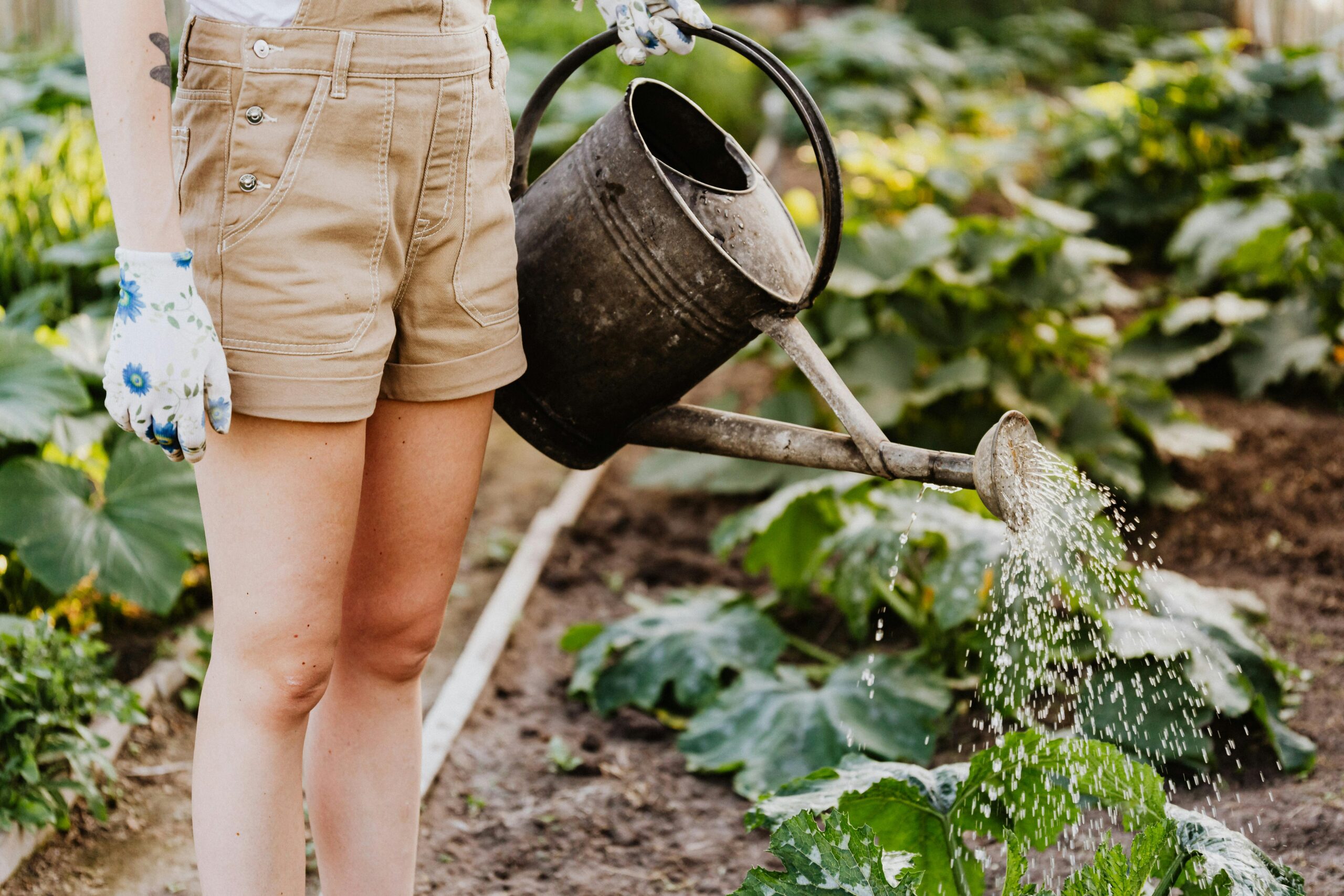
✨ Achieving Garden Excellence Through Watering Mastery
Mastering the art of watering transforms ordinary gardens into extraordinary landscapes. The distinction between deep and shallow watering isn’t merely technical—it represents a fundamental shift in how we understand plant needs and water resources.
Deep watering encourages strong root systems, creating plants that withstand environmental challenges and require less maintenance over time. This approach respects both plant biology and water conservation principles, resulting in sustainable landscapes that thrive for years.
By implementing the strategies outlined in this guide, you’ll develop the knowledge and skills to make informed watering decisions. Your plants will reward you with vigorous growth, abundant blooms, and resilience through challenging conditions. The investment in learning proper watering techniques pays dividends in garden beauty, reduced maintenance, and environmental stewardship for seasons to come.