Mulching is one of the simplest yet most powerful gardening techniques that can transform your garden’s health while conserving precious water resources.

Whether you’re a seasoned gardener or just starting your green journey, understanding the art of mulching will revolutionize how you care for your plants. This comprehensive guide will walk you through everything you need to know about mulching, from selecting the right materials to applying them effectively for maximum benefits.
Beyond just making your garden beds look tidy and attractive, mulch serves as a protective blanket for your soil, creating an ecosystem that supports plant health in multiple ways. Let’s explore how this simple practice can save you time, money, and water while giving your plants the environment they need to thrive.
🌱 What Is Mulch and Why Does It Matter?
Mulch is any material spread over the soil surface to protect and enrich it. Think of it as nature’s blanket—a protective layer that shields soil from harsh weather conditions while improving its structure and fertility over time.
The practice of mulching mimics what happens naturally in forests and wild ecosystems, where fallen leaves, branches, and organic matter continuously cover the ground. This natural process prevents soil erosion, maintains consistent moisture levels, and creates habitat for beneficial organisms that contribute to soil health.
When applied correctly, mulch can reduce your garden’s water needs by up to 50%, suppress weed growth by blocking sunlight, regulate soil temperature throughout the seasons, and gradually improve soil quality as organic materials decompose. These combined benefits make mulching an essential practice for sustainable gardening.
The Science Behind Moisture Retention 💧
Understanding how mulch locks in moisture helps you appreciate its value in your garden. When soil is left bare, water evaporates quickly from the surface, especially during hot, windy conditions. This rapid evaporation means you need to water more frequently to keep plants hydrated.
Mulch creates a physical barrier between the soil surface and the atmosphere, significantly reducing evaporation rates. Studies have shown that properly mulched beds can retain moisture up to three times longer than bare soil, meaning less frequent watering and healthier plants during dry periods.
Additionally, mulch helps water infiltrate the soil more effectively by preventing surface crusting and compaction caused by heavy rain or irrigation. This improved water penetration means that when you do water, more moisture reaches plant roots where it’s needed most.
How Different Mulch Types Affect Water Conservation
Organic mulches like wood chips and straw absorb some water themselves before allowing it to reach the soil, creating a reservoir effect. Inorganic mulches like gravel or rubber don’t absorb water but still provide excellent evaporation barriers while allowing water to pass through to the soil below.
Choosing the Right Mulch Material for Your Garden 🍂
Not all mulches are created equal, and selecting the right type for your specific situation is crucial for success. The ideal mulch depends on your plants, climate, budget, and aesthetic preferences.
Organic Mulch Options
Organic mulches decompose over time, adding valuable nutrients and organic matter to your soil. Popular options include:
- Wood chips and bark: Long-lasting and attractive, perfect for ornamental beds and pathways. They decompose slowly, providing years of service before needing replacement.
- Shredded leaves: Free if you have deciduous trees, excellent for vegetable gardens and flower beds. They break down relatively quickly, enriching soil with nutrients.
- Straw and hay: Ideal for vegetable gardens, particularly around tomatoes, peppers, and strawberries. They provide good insulation and decompose within a single growing season.
- Compost: Nutrient-rich and beneficial for all plantings, though it decomposes quickly and needs frequent replenishment. Best used as a thin layer topped with longer-lasting mulch.
- Pine needles: Perfect for acid-loving plants like blueberries and azaleas. They interlock to resist blowing away and create excellent moisture barriers.
- Grass clippings: Free and readily available, but should be applied in thin layers to prevent matting and odor issues.
Inorganic Mulch Alternatives
Inorganic mulches don’t improve soil quality but offer permanent solutions with minimal maintenance:
- Gravel and stone: Excellent for xeriscaping and Mediterranean-style gardens. They provide permanent coverage and work well around heat-loving plants.
- Rubber mulch: Made from recycled tires, long-lasting and suitable for playgrounds and pathways, though controversial for vegetable gardens due to potential chemical leaching.
- Landscape fabric: Often used under other mulches to provide extra weed suppression, though it can prevent organic matter from enriching soil.
🎯 Mastering the Application: Step-by-Step Mulching Techniques
Proper application is just as important as choosing the right mulch material. Follow these proven techniques to maximize benefits while avoiding common pitfalls.
Preparing Your Garden Beds
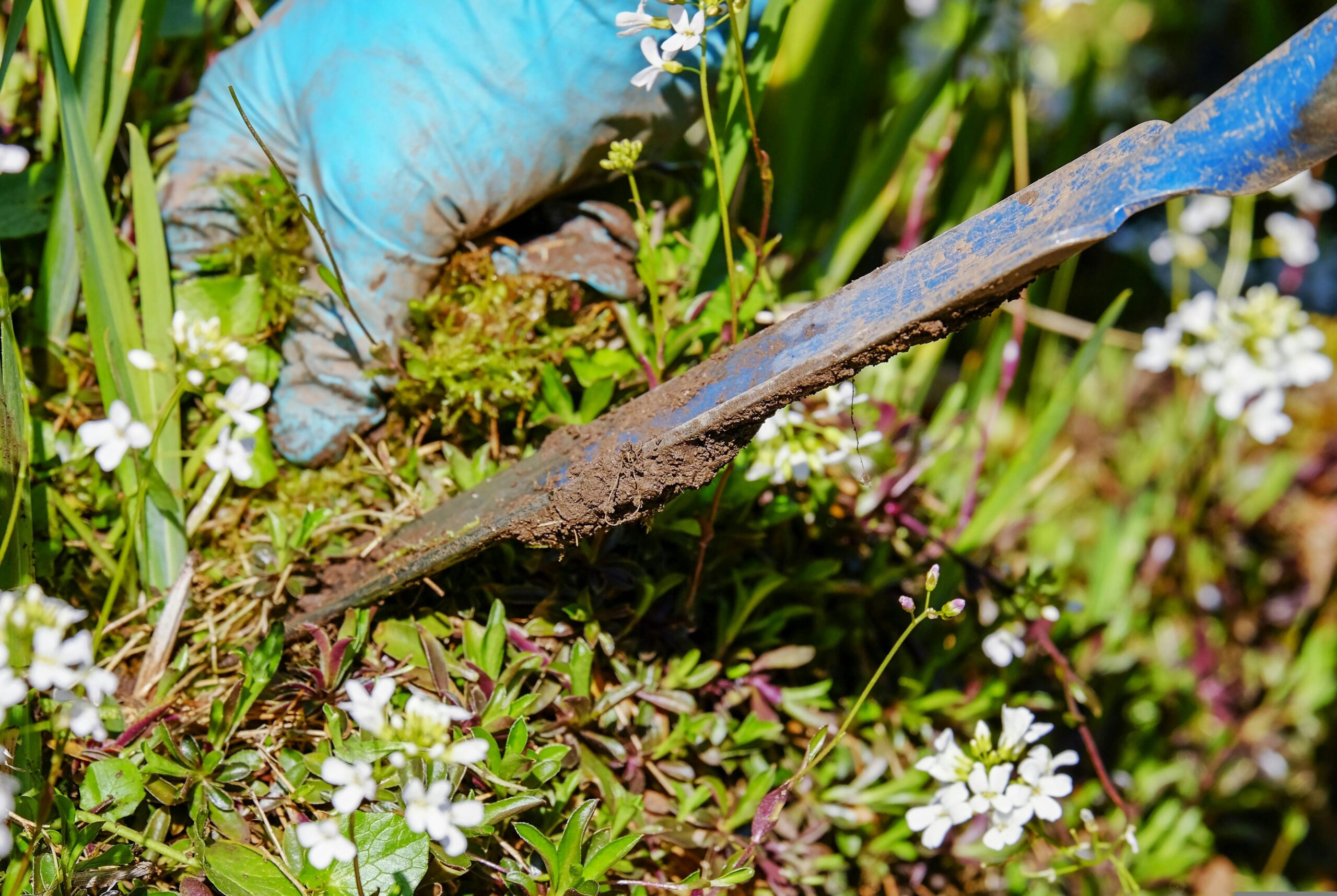
Before applying mulch, prepare your beds properly. Remove existing weeds thoroughly, including roots, as mulch suppresses new weed growth but won’t eliminate established weeds. Water the area well so you’re locking moisture into the soil from the start.
If your soil is compacted, consider loosening the top few inches to improve water infiltration and root penetration. This is also an ideal time to add compost or other soil amendments, as they’ll be sealed beneath your mulch layer.
The Correct Depth Matters
Apply organic mulch in layers 2-4 inches deep for most situations. This depth provides adequate weed suppression and moisture retention without suffocating plant roots or creating conditions for disease. Finer materials like compost work best at 1-2 inches, while coarser materials like wood chips can be applied at 3-4 inches.
Avoid the “mulch volcano” mistake where mulch is piled against tree trunks or plant stems. Always leave a gap of several inches around trunks and stems to prevent moisture-related diseases, rot, and pest problems. Think of creating a donut shape rather than a volcano.
Timing Your Mulching Projects
Spring is traditionally the most popular time for mulching, as it helps soil warm up gradually while locking in winter moisture. However, fall mulching offers advantages too, protecting roots from winter temperature fluctuations and giving materials time to begin decomposing before the growing season.
For vegetable gardens, wait until soil has warmed in spring before mulching, as early mulching can delay warming and slow plant growth. In contrast, perennial beds and trees benefit from year-round mulch coverage.
Boosting Plant Health Through Strategic Mulching 🌿
Beyond moisture conservation, mulch provides numerous health benefits that create optimal growing conditions for your plants.
Temperature Regulation
Mulch acts as insulation, keeping soil cooler in summer and warmer in winter. This temperature moderation reduces plant stress and extends root growth periods. Studies show that mulched soil can be up to 20 degrees cooler than bare soil on hot summer days, protecting delicate root systems from heat damage.
Weed Suppression Benefits
A proper mulch layer blocks sunlight from reaching weed seeds, preventing germination of most annual weeds. This means less time spent weeding and less competition for water and nutrients. The few weeds that do emerge through mulch are typically easier to pull because the soil beneath remains moist and loose.
Soil Structure Improvement
As organic mulches decompose, they feed beneficial soil microorganisms and earthworms, which in turn improve soil structure, aeration, and drainage. This biological activity creates nutrient-rich humus that enhances plant growth naturally without synthetic fertilizers.
Disease Prevention
Mulch creates a barrier between soil-borne pathogens and plant foliage, reducing splash-back during rain or irrigation. This is particularly valuable for tomatoes, which are susceptible to fungal diseases that spread from soil to leaves.
💰 Water Savings and Environmental Impact
The water conservation benefits of mulching extend beyond your garden to create broader environmental impacts worth considering.
In regions facing water scarcity or restrictions, mulching allows gardeners to maintain beautiful landscapes with significantly less water. A typical unmulched garden might require watering every 2-3 days during summer, while a well-mulched garden can often go 5-7 days between waterings.
This reduction translates to substantial water bill savings. For a medium-sized garden of 500 square feet, mulching can save thousands of gallons of water annually. Beyond financial savings, this conservation helps preserve precious water resources for your community and reduces the energy required to treat and pump water.
Calculating Your Mulch Needs
To determine how much mulch you’ll need, calculate your garden bed square footage and desired depth. A simple formula: Length × Width × Depth (in feet) ÷ 27 = cubic yards needed. Most mulch is sold by the cubic yard, so accurate calculation prevents over-purchasing and waste.
| Garden Bed Size | Mulch Depth | Cubic Yards Needed |
|---|---|---|
| 100 square feet | 3 inches | 0.9 cubic yards |
| 250 square feet | 3 inches | 2.3 cubic yards |
| 500 square feet | 3 inches | 4.6 cubic yards |
| 1000 square feet | 3 inches | 9.3 cubic yards |
Common Mulching Mistakes to Avoid ⚠️
Even experienced gardeners can fall into mulching traps that reduce effectiveness or even harm plants. Awareness of these common errors helps you avoid costly mistakes.
Over-Mulching Problems
More is not better when it comes to mulch. Excessive depth can suffocate roots by limiting oxygen exchange, create habitats for rodents and pests, and cause stem rot when piled against plants. Stick to recommended depths and refresh annually rather than continually adding layers.
Using Fresh Wood Chips Near Young Plants
Fresh wood chips can temporarily tie up nitrogen in soil as they begin decomposing, potentially causing nitrogen deficiency in nearby plants. Allow fresh chips to age for several weeks before use, or add extra nitrogen fertilizer when using fresh materials around actively growing plants.
Ignoring Mulch Maintenance
Mulch isn’t a one-time application. Organic materials decompose and need replenishment annually or bi-annually. Monitor depth regularly and add fresh mulch as needed to maintain effective coverage. Rake and fluff mulch periodically to prevent compaction and matting.
🌾 Special Considerations for Different Garden Types
Vegetable Gardens
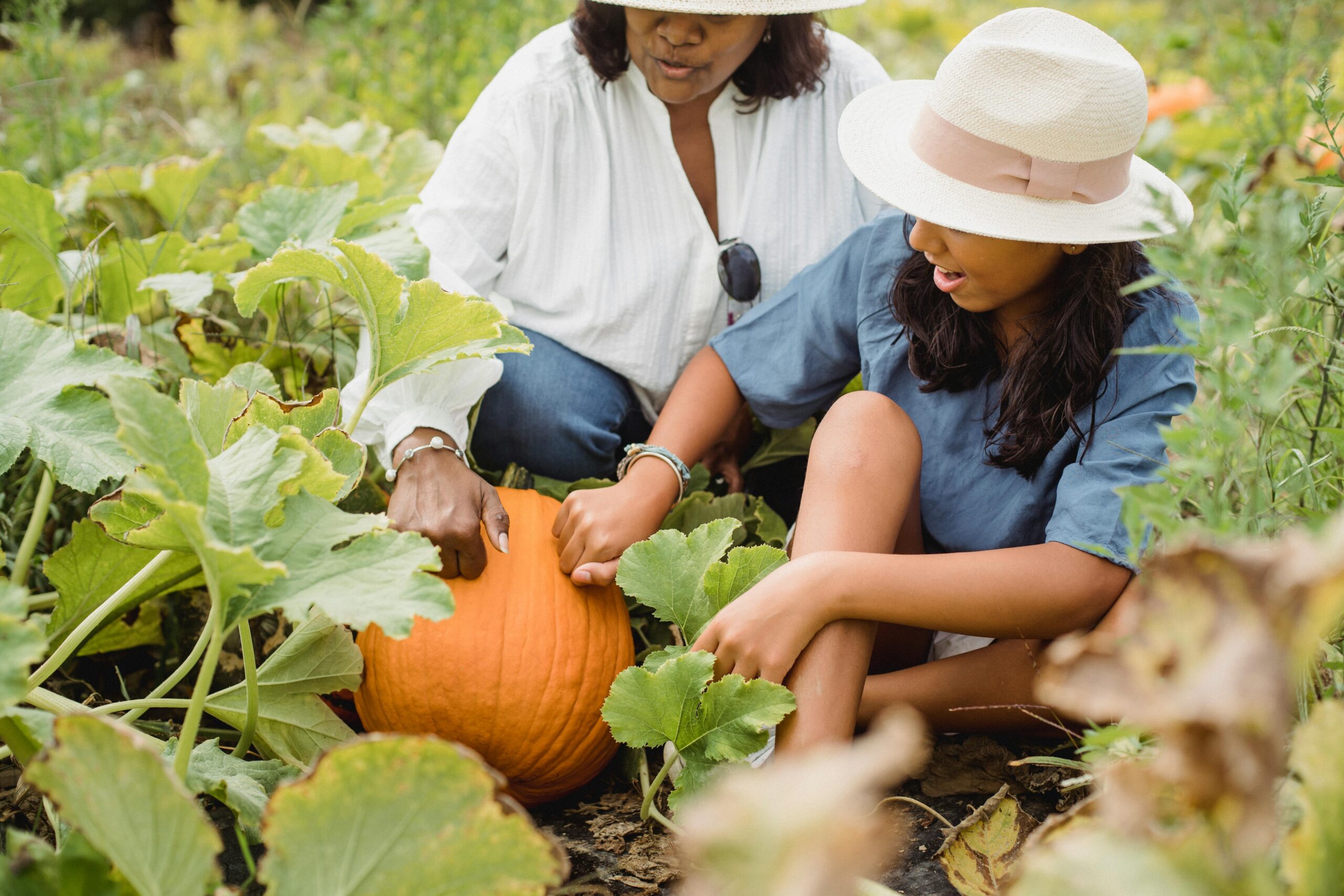
Vegetable gardens benefit enormously from mulching, but timing and material selection matter. Use straw, grass clippings, or shredded leaves, which decompose quickly and can be tilled into soil at season’s end. Apply mulch after soil has warmed and seedlings are established to avoid delaying growth.
Perennial Borders
Perennial beds look beautiful with decorative mulches like shredded bark or wood chips. Apply in spring after cutting back dead growth, and refresh annually. The slow decomposition of these materials provides steady organic matter without overwhelming perennial root systems.
Trees and Shrubs
Established trees and shrubs thrive with wood chip mulch applied in a wide circle extending to the drip line. This mimics forest conditions and supports root health. Remember the donut shape—never pile mulch against trunks where it can cause rot and attract pests.
Container Gardens
Don’t forget containers, which dry out faster than ground plantings. A thin layer of decorative mulch or fine bark chips conserves moisture and reduces watering frequency significantly, especially valuable during hot weather or vacations.
Seasonal Mulching Strategies for Year-Round Success 🍁
Adapting your mulching approach to seasonal changes maximizes benefits throughout the year and keeps your garden thriving in all conditions.
Spring mulching locks in winter moisture as temperatures rise and suppresses the first flush of annual weeds. Apply after soil has warmed sufficiently but before summer heat arrives. This is the traditional time for refreshing mulch in most climates.
Summer mulching focuses on moisture retention and temperature control during the hottest, driest months. Check mulch depth regularly, as materials decompose faster in warm weather. Add supplemental layers if coverage has thinned to less than 2 inches.
Fall mulching in cold climates protects perennial roots from freeze-thaw cycles and prevents frost heaving. Apply after the ground has frozen to prevent rodent nesting. In mild climates, fall is ideal for mulching as it gives materials months to decompose before spring growth.
Winter mulch maintenance is minimal in most regions. Simply monitor that wind hasn’t blown lightweight materials away and that mulch hasn’t settled against plant crowns where moisture could cause problems.
Taking Your Mulching Skills to the Next Level 🚀
Once you’ve mastered basic mulching, consider these advanced techniques to further enhance your garden’s performance and sustainability.
Sheet Mulching for New Beds
Sheet mulching, also called lasagna gardening, creates new planting beds without tilling by layering cardboard, compost, and mulch directly over grass or weeds. This technique builds excellent soil while suppressing unwanted vegetation, perfect for expanding your garden or converting lawn to planting beds.
Living Mulches
Low-growing plants like clover or creeping thyme can serve as living mulches, covering soil while adding nitrogen and attracting pollinators. This approach works beautifully in orchards and around established shrubs, creating biodiverse, self-maintaining systems.
Combining Mulch Types
Layering different mulch materials can provide combined benefits. For example, apply compost first for nutrients, then top with wood chips for longevity and appearance. Or use landscape fabric under gravel in high-traffic areas for maximum weed suppression with minimal maintenance.

Your Garden’s Future Starts With Mulch Today 🌻
Implementing a comprehensive mulching strategy transforms your garden from a water-intensive maintenance burden into a thriving, self-sustaining ecosystem. The time and materials you invest in proper mulching pay dividends through reduced water bills, healthier plants, and fewer hours spent weeding and watering.
Start small if you’re new to mulching—tackle one bed at a time, experiment with different materials to find what works best in your conditions, and observe the results. You’ll quickly notice the difference in soil moisture, plant vigor, and overall garden health.
Remember that mulching is a practice, not a perfection. Every garden is unique, and finding the right combination of materials, depths, and timing for your specific situation takes some experimentation. The key is to start now and refine your approach based on results.
Your plants will thank you with lusher growth, more abundant blooms, and better yields. Your water provider will thank you with lower bills. And the environment will benefit from your conservation efforts. Most importantly, you’ll enjoy a more beautiful, productive garden with significantly less effort—the ultimate goal of smart gardening.