Understanding when and how much to water your plants throughout the year can be the difference between a thriving garden and a struggling one.

Every season brings unique challenges and opportunities for plant care, from the scorching heat of summer to the dormant winter months. Whether you’re tending to indoor houseplants or maintaining an outdoor garden, mastering the art of seasonal watering will transform your relationship with your green companions. This comprehensive guide will walk you through the nuances of watering schedules across all four seasons, ensuring your plants receive exactly what they need when they need it most.
🌱 Why Seasonal Watering Matters More Than You Think
Plants are living organisms that respond dynamically to their environment. Just as we adjust our clothing and activities with changing weather, plants have varying water requirements throughout the year. Their metabolic processes, growth rates, and water consumption fluctuate dramatically based on temperature, daylight hours, and humidity levels.
During active growing periods, plants transpire more water through their leaves and require frequent watering to support new growth. Conversely, during dormancy, their water needs plummet, and overwatering becomes a genuine threat. Recognizing these patterns is fundamental to developing an effective watering strategy that keeps your plants healthy and vibrant twelve months a year.
Spring Watering: Awakening Your Garden from Winter Slumber 🌷
Spring represents a transitional period where plants emerge from dormancy and enter their most vigorous growth phase. As temperatures rise and daylight extends, your watering routine should gradually increase to match your plants’ awakening metabolism.
Early Spring Considerations
Begin the season with moderate watering, as soil may still retain moisture from winter precipitation. Check soil moisture levels before watering by inserting your finger two inches deep into the soil. If it feels damp, wait another day or two. Early spring rains often provide sufficient moisture, so avoid creating waterlogged conditions that can lead to root rot.
For indoor plants, this is the perfect time to resume regular feeding schedules and increase watering frequency as they show signs of new growth. Watch for emerging leaves, elongating stems, and increased overall vigor as indicators that your plants are ready for more water.
Late Spring Watering Strategy
As temperatures climb toward summer levels, watering frequency should increase accordingly. Most outdoor plants will benefit from deep watering sessions once or twice weekly, rather than frequent shallow watering. This encourages deeper root development, creating more resilient plants capable of withstanding summer heat.
Morning watering becomes increasingly important during late spring, allowing foliage to dry before evening and reducing the risk of fungal diseases. Container plants may require daily attention as temperatures rise, especially those in terracotta pots which allow faster moisture evaporation.
Summer Watering: Keeping Plants Cool and Hydrated ☀️
Summer presents the greatest watering challenge for most gardeners. High temperatures, increased evaporation rates, and peak plant growth combine to create maximum water demand. Strategic watering during these months can prevent stress, wilting, and permanent damage to your plants.
Frequency and Timing
Water early in the morning, ideally between 5 and 10 AM. This timing allows plants to absorb moisture before the heat of the day and ensures foliage dries quickly, minimizing disease risks. If morning watering isn’t possible, early evening is your second-best option, but avoid watering too late when moisture may linger overnight.
Most established outdoor plants require deep watering two to three times weekly during summer. Newly planted specimens, containers, and hanging baskets often need daily attention. Vegetables and annual flowers, with their shallow root systems, typically require more frequent watering than established perennials and shrubs.
Water Conservation Techniques
Apply mulch around plants to reduce evaporation, regulate soil temperature, and maintain consistent moisture levels. A two to three-inch layer of organic mulch can reduce watering needs by up to 50%. Consider installing drip irrigation systems or soaker hoses that deliver water directly to root zones, minimizing waste and maximizing efficiency.
Group plants with similar water requirements together to create hydrozones in your garden. This practice allows you to customize watering schedules for different areas, ensuring each plant receives appropriate moisture without overwatering drought-tolerant species or underwatering moisture-lovers.
Fall Watering: Preparing Plants for Winter Dormancy 🍂
Autumn brings cooler temperatures and often increased rainfall, signaling plants to slow their growth and prepare for winter. Your watering schedule should gradually decrease during this season, but don’t make the mistake of abandoning your watering duties entirely.
Early Fall Adjustments
Continue regular watering through early fall, especially if your region experiences dry conditions. Many plants continue active growth well into autumn, and adequate moisture supports the development of strong roots and helps plants store energy for winter. Newly planted trees and shrubs require consistent watering through their first fall to establish robust root systems before winter arrives.
Begin reducing fertilizer applications during fall, which naturally decreases plants’ water requirements. Over-fertilizing during this period can stimulate tender new growth susceptible to frost damage.
Late Fall Preparation
As temperatures drop and deciduous plants lose their leaves, watering frequency can decrease significantly. However, provide a deep watering to trees, shrubs, and perennials before the ground freezes. This “winter watering” ensures plants enter dormancy with adequate moisture reserves, preventing winter desiccation damage.
Indoor plants also require adjustment during fall. Shorter days and cooler indoor temperatures slow their growth, reducing water needs. Begin checking soil moisture more carefully and allowing it to dry slightly more between watering sessions than during summer months.
Winter Watering: Maintaining Dormant Plants ❄️
Winter represents the quietest season in your garden, but certain plants still require attention to their watering needs. Understanding which plants need water during dormancy prevents unnecessary losses and ensures vigorous spring growth.
Outdoor Winter Watering
Evergreen plants continue transpiring water through their foliage throughout winter, making them vulnerable to desiccation during dry periods. Water evergreen trees, shrubs, and perennials during extended dry spells when temperatures are above freezing and soil isn’t frozen. Choose mild days and water in the morning to allow absorption before potential nighttime freezing.
Container plants overwintering outdoors require occasional monitoring. While their water needs decrease dramatically, completely dry soil can damage roots. Check containers monthly and provide light watering if soil has become bone dry.
Indoor Plant Care During Winter
Houseplants experience their most challenging conditions during winter months. Central heating reduces humidity levels while shorter days and cooler temperatures slow plant metabolism. Reduce watering frequency for most indoor plants, allowing soil to dry more thoroughly between sessions than during summer.
Be particularly cautious with succulents and cacti, which require minimal winter watering—often just once monthly. Tropical plants may need more consistent moisture, but still require less frequent watering than during their active growth period. Monitor each plant individually rather than following a rigid schedule, as indoor conditions vary significantly between homes.
Understanding Your Plants’ Specific Needs 🌿
While seasonal guidelines provide an excellent framework, individual plant requirements vary based on species, location, and growing conditions. Developing a deeper understanding of your specific plants’ preferences elevates your watering game to expert level.
Plant Type Considerations
Succulents and cacti thrive with infrequent deep watering followed by thorough drying periods. Tropical plants prefer consistently moist (not waterlogged) soil throughout the year. Mediterranean herbs like rosemary and lavender require well-draining soil and moderate watering, while moisture-loving plants such as ferns and calatheas need regular attention to prevent drying.
Native plants adapted to your local climate generally require less intervention once established, following natural rainfall patterns. Exotic species may need supplemental watering regardless of season to thrive outside their native habitat.
Environmental Factors
Soil type dramatically affects watering frequency. Clay soils retain moisture longer but drain poorly, requiring less frequent watering. Sandy soils drain rapidly and need more frequent applications. Loamy soil, the ideal growing medium, balances retention and drainage perfectly.
Sun exposure influences water needs significantly. Plants in full sun require more frequent watering than those in shade, which experience less evaporation and slower soil drying. Wind exposure also increases water loss, necessitating more frequent attention for exposed plantings.
Signs of Watering Problems and Quick Solutions 💧
Learning to read your plants’ signals helps you adjust watering schedules before problems become serious. Both underwatering and overwatering produce distinctive symptoms that alert observant gardeners to necessary changes.
Underwatering Symptoms
Wilting leaves, especially during the hottest part of the day, indicate insufficient moisture. Dry, crispy leaf edges, slow growth, and premature leaf drop suggest chronic underwatering. Soil pulling away from container edges and extremely light pot weight confirm water deficiency.
Solution: Increase watering frequency and ensure water penetrates deeply into the root zone. For severely dried plants, gradually rehydrate over several days rather than saturating immediately, which can shock stressed plants.
Overwatering Indicators
Yellow leaves, especially lower leaves, often indicate excessive watering. Soft, mushy stems, fungal growth on soil surfaces, and consistently soggy soil signal overwatering problems. Root rot, evidenced by foul-smelling soil and blackened roots, represents severe overwatering damage.
Solution: Reduce watering frequency immediately and improve drainage if necessary. Remove affected plants from waterlogged soil, trim damaged roots, and repot in fresh, well-draining medium. Adjust your schedule to allow proper soil drying between watering sessions.
Tools and Technology for Precision Watering 🔧
Modern gardening tools and technology can transform guesswork into precision, helping you deliver exactly the right amount of water at the perfect time. Investing in appropriate tools pays dividends in plant health and water conservation.
Essential Watering Tools
Soil moisture meters provide objective measurements of moisture levels at root depth, eliminating uncertainty about when to water. Watering wands with adjustable flow controls deliver gentle streams that won’t disturb soil or damage delicate foliage. Self-watering containers with built-in reservoirs maintain consistent moisture levels, perfect for busy gardeners or vacation periods.
Rain gauges help track natural precipitation, allowing you to adjust supplemental watering accordingly. Programmable timers automate irrigation systems, ensuring consistent watering schedules even when you’re away from home.
Smart Gardening Applications
Technology has revolutionized plant care with sophisticated applications that provide personalized watering schedules based on your specific plants, location, and weather conditions. These tools take the guesswork out of seasonal adjustments and help prevent common watering mistakes.
Creating Your Personalized Watering Calendar 📅
Developing a customized watering schedule for your specific garden ensures optimal plant health while maximizing your efficiency. Start by inventorying your plants, noting their water requirements, locations, and container types.
Document your local climate patterns, including average temperatures, rainfall, and humidity levels for each season. Create zones based on sun exposure, soil type, and plant water needs. Establish baseline watering frequencies for each zone and season, then adjust based on weather conditions and plant responses.
Keep a simple garden journal noting watering dates, amounts, weather conditions, and plant observations. This record helps you identify patterns, refine your schedule, and create an increasingly effective watering routine year after year.
Advanced Techniques for Master Gardeners 🎯
Once you’ve mastered basic seasonal watering, several advanced techniques can further optimize plant health and water efficiency. Bottom watering encourages deep root growth by placing containers in water trays and allowing soil to absorb moisture through drainage holes. This method prevents foliage wetting and reduces disease risks.
Rainwater harvesting provides chemical-free water perfectly suited to plant needs while reducing your water bill and environmental impact. Install rain barrels connected to downspouts to capture precipitation for use during dry periods.
Hydrogel crystals mixed into potting soil absorb excess water and release it gradually as soil dries, creating a buffer against both overwatering and underwatering. These are particularly useful for containers and hanging baskets prone to rapid drying.
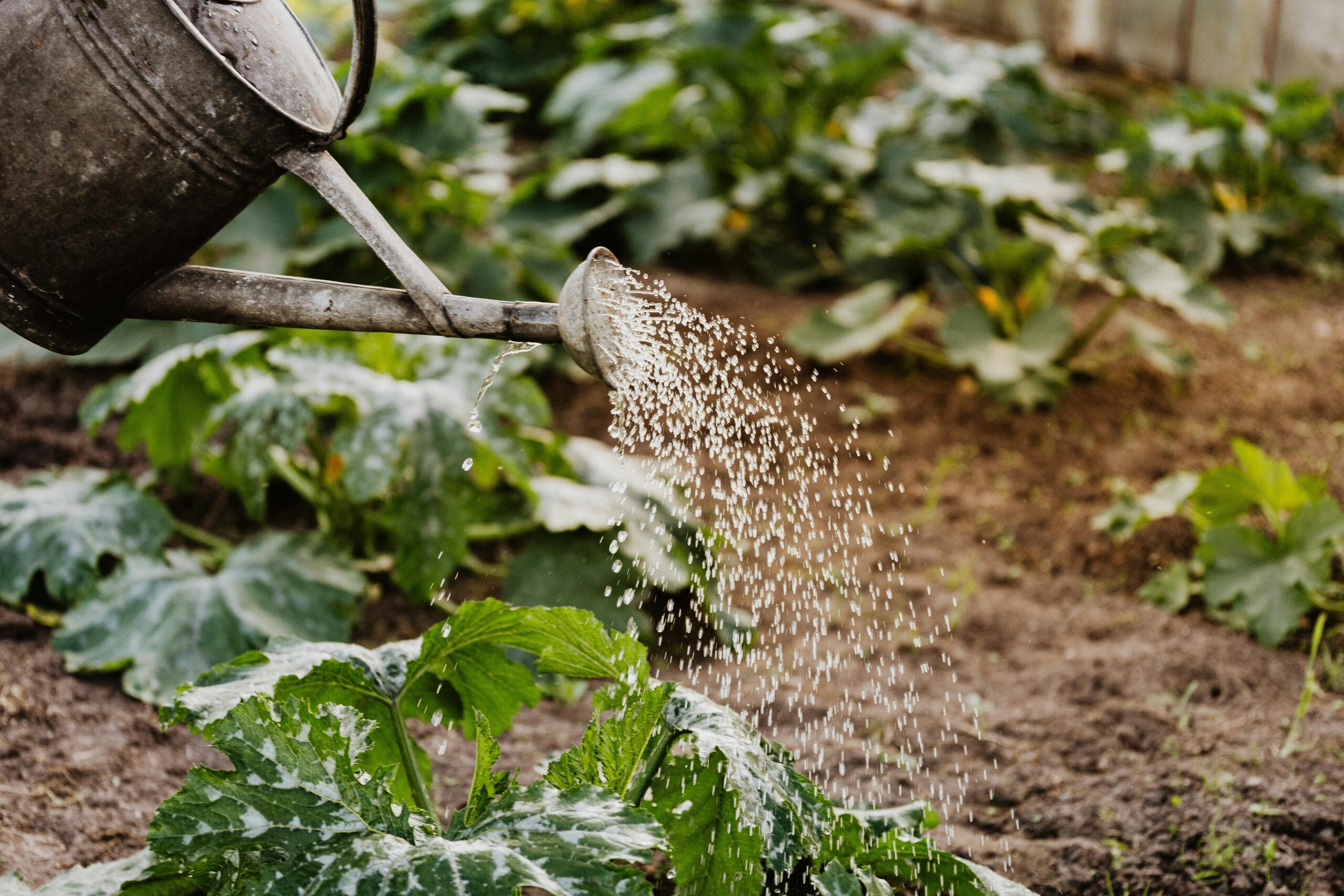
Thriving Plants Through Every Season
Mastering seasonal watering transforms plant care from a daily chore into an intuitive practice rooted in understanding and observation. By recognizing how temperature, daylight, and plant growth cycles interact, you can provide exactly what your plants need throughout the year. The result is healthier, more resilient plants that reward your attention with vigorous growth, abundant blooms, and lasting beauty.
Remember that successful watering isn’t about following rigid rules but developing a responsive relationship with your plants. Pay attention to their signals, adjust your practices based on conditions, and don’t be afraid to experiment. With time and practice, seasonal watering becomes second nature, and your garden thrives under your expert care year-round.