When summer heat intensifies, your garden faces a critical challenge: staying hydrated without wasting water or drowning delicate roots.

Understanding how to water efficiently during scorching temperatures can mean the difference between a flourishing oasis and wilted disappointment. Smart watering isn’t just about turning on the hose—it’s about timing, technique, and tuning into your plants’ actual needs. With climate patterns becoming increasingly unpredictable and water conservation more important than ever, mastering the art of intelligent irrigation has become essential for every gardener who wants their outdoor space to survive and thrive through the hottest months.
🌡️ Understanding Your Garden’s Water Needs in Extreme Heat
Different plants have vastly different water requirements, especially when temperatures soar. Recognizing these variations is fundamental to developing an effective watering strategy that doesn’t waste resources or harm your plants.
Established trees and shrubs generally need deep, infrequent watering that encourages root systems to grow downward, seeking moisture in cooler soil layers. Newly planted specimens, however, require more frequent attention as their roots haven’t yet established themselves. Vegetable gardens typically demand consistent moisture, particularly during fruiting stages, while succulents and Mediterranean herbs actually prefer periods of drought between waterings.
Your soil type dramatically influences water retention. Clay soils hold moisture longer but can become waterlogged, while sandy soils drain quickly and require more frequent watering. Understanding your soil composition helps you adjust watering schedules appropriately. A simple squeeze test reveals your soil type: clay forms a tight ball, loam holds shape but crumbles easily, and sand falls apart immediately.
Signs Your Plants Are Thirsty (or Overwatered)
Learning to read your plants’ signals prevents both drought stress and water waste. Wilting during the hottest part of the day might be normal protective behavior, but if leaves remain droopy in the evening, your plants need water. Color changes—such as yellowing or browning leaf edges—often indicate water stress, though identical symptoms can signal overwatering, making observation crucial.
Check soil moisture by inserting your finger two inches deep. If it feels dry at this depth, it’s time to water most plants. Overwatered plants develop yellowing leaves, mushy stems, and fungal growth around the base. The soil may smell sour or stagnant, indicating oxygen deprivation in the root zone.
💧 The Golden Rules of Hot Weather Watering
Timing your watering correctly can double its effectiveness while using half the water. Early morning watering, ideally between 4 AM and 10 AM, allows plants to absorb moisture before heat intensifies. This timing reduces evaporation loss and ensures leaves dry quickly, preventing fungal diseases.
Evening watering is your second-best option, though it increases disease risk if foliage remains wet overnight. Never water during midday heat—you’ll lose most moisture to evaporation, and water droplets on leaves can act as magnifying glasses, causing leaf burn.
Deep and Infrequent Beats Shallow and Often
The most common watering mistake is applying small amounts frequently, which encourages shallow root growth and creates plants dependent on constant irrigation. Instead, water deeply but less often, allowing soil to partially dry between sessions. This approach forces roots to grow deeper, where soil stays cooler and moisture more stable.
Most established gardens need about one inch of water per week during hot weather, delivered in one or two deep soaking sessions rather than daily sprinkles. Use a rain gauge or empty tuna can to measure how much water your irrigation system applies and how long it takes to reach one inch.
🚿 Smart Irrigation Methods That Actually Work
Your watering method significantly impacts efficiency. Overhead sprinklers waste 30-50% of water to evaporation and wind drift, while also promoting foliar diseases. They do have advantages for cooling plants and washing away dust, but shouldn’t be your primary irrigation method during heat waves.
Drip irrigation systems deliver water directly to root zones with 90% efficiency, making them ideal for hot climates. These systems apply water slowly, allowing soil to absorb moisture without runoff. Soaker hoses offer a budget-friendly alternative, though they’re less precise and have shorter lifespans.
Hand Watering: The Personal Touch
Hand watering gives you intimate knowledge of each plant’s condition and allows targeted delivery to those needing extra attention. Use a watering wand with a gentle shower head to avoid disturbing soil or damaging delicate plants. Water at the base rather than overhead, and apply water slowly enough that it soaks in rather than running off.
This method works best for containers, hanging baskets, and small gardens where you can realistically water everything thoroughly. For larger spaces, hand watering becomes impractical and inconsistent.
🌿 Mulch: Your Garden’s Best Friend in Hot Weather
Mulching is perhaps the single most effective water conservation strategy available to gardeners. A proper mulch layer reduces soil temperature, suppresses weeds that compete for water, prevents soil crusting, and can reduce watering needs by up to 50%.
Organic mulches like wood chips, shredded bark, or compost provide the best results. Apply a 2-4 inch layer around plants, keeping mulch a few inches away from stems and trunks to prevent rot. Replenish mulch as it decomposes throughout the season.
Different mulch materials offer specific benefits. Wood chips last longest and look neat but can temporarily tie up soil nitrogen as they decompose. Compost enriches soil while mulching but breaks down quickly. Straw works excellently in vegetable gardens but may contain weed seeds. Pine needles create an attractive, long-lasting mulch perfect for acid-loving plants.
📱 Technology and Tools for Smarter Watering
Modern technology offers gardeners unprecedented control over irrigation. Smart irrigation controllers adjust watering schedules based on weather forecasts, soil moisture, and plant types, potentially reducing water use by 30-50% compared to traditional timers.
Soil moisture sensors eliminate guesswork by measuring actual moisture levels at root depth. These affordable devices can be standalone gauges you check manually or integrated into automated systems that trigger irrigation only when needed.
Weather-based controllers connect to local weather stations or online services, automatically skipping scheduled watering after rain or during cool, humid conditions. Some systems integrate with smartphone apps, allowing you to control and monitor your garden irrigation from anywhere.
Rain barrels and rainwater harvesting systems capture free water for garden use while reducing stormwater runoff. A typical residential roof can collect thousands of gallons annually. Rainwater is chlorine-free and slightly acidic, making it ideal for most plants.
🥗 Special Considerations for Different Garden Types
Container gardens face unique challenges in hot weather because pots heat up quickly and limited soil volume holds less water. Terra cotta pots are particularly prone to rapid moisture loss. Check containers daily during heat waves—they often need watering twice daily when temperatures exceed 90°F.
Choose larger containers that hold more soil and moisture, and consider double-potting by placing decorated pots inside larger cache pots with an insulating air gap. Self-watering containers with built-in reservoirs reduce watering frequency while maintaining consistent moisture.
Vegetable Gardens During Heat Waves
Edible gardens require consistent moisture for quality production. Irregular watering causes problems like blossom end rot in tomatoes and peppers, bitter lettuce, and cracked fruits. Focus water delivery on fruiting plants actively producing, as they have the highest moisture demands.
Leafy greens often bolt (go to seed prematurely) in extreme heat regardless of watering, so consider succession planting heat-tolerant varieties like Swiss chard, amaranth, and Armenian cucumber. Increase mulch depth around vegetables to 4 inches, and provide shade cloth during the hottest afternoon hours.
Lawns: To Water or Not to Water?
Turf grass is notoriously thirsty, and maintaining green lawns during droughts consumes enormous water resources. Consider allowing cool-season grasses to go dormant during extreme heat—they’ll green up again with fall rains. If you must maintain active growth, apply one inch of water weekly in a single deep session, watering early morning to minimize disease.
Mow higher during hot weather, keeping grass at 3-4 inches to shade roots and retain moisture. Sharp mower blades reduce stress compared to tearing from dull blades. Consider transitioning to drought-tolerant ground covers, native grasses, or reducing lawn areas in favor of mulched beds.
🌺 Heat-Tolerant Plants That Reduce Watering Needs
Strategic plant selection dramatically reduces irrigation demands. Native plants adapted to your region’s natural rainfall patterns typically thrive with minimal supplemental watering once established. Research plants indigenous to your area and incorporate them into your landscape design.
Mediterranean herbs like rosemary, lavender, oregano, and thyme actually prefer hot, dry conditions and can suffer from overwatering. Succulents and cacti store water in leaves and stems, making them perfect for hot, sunny spots. Ornamental grasses like blue fescue, fountain grass, and switchgrass add movement and texture while tolerating drought.
Perennials with silver or gray foliage—such as Russian sage, lamb’s ear, and artemisia—typically have adaptations that reduce water loss. Deep-rooted plants like coneflowers, black-eyed Susans, and yarrow access moisture from lower soil layers unavailable to shallow-rooted species.
⚠️ Common Hot Weather Watering Mistakes to Avoid
Watering on a rigid schedule regardless of weather conditions wastes water and can harm plants. Rain, humidity, and temperature fluctuations all affect how quickly soil dries. Check moisture levels before watering rather than following a calendar blindly.
Applying too much water too quickly creates runoff that never reaches root zones. Water slowly enough that soil absorbs all moisture. If you see water running off, stop and let it soak in before continuing. On slopes or compacted soil, this might mean multiple short watering cycles with breaks between.
Neglecting new plantings is a costly mistake. Even drought-tolerant plants need regular watering during their first growing season while establishing root systems. Plan to water new additions 2-3 times weekly for the first month, gradually reducing frequency as plants settle in.
Using cold water on heat-stressed plants can cause shock. If possible, let hose water sit in a bucket briefly to warm slightly before applying to delicate plants during extreme heat.
💪 Building Long-Term Resilience in Your Garden
Improving soil health increases your garden’s ability to withstand heat stress. Incorporate organic matter like compost, which improves water retention in sandy soils and drainage in clay soils. Healthy soil rich in organic matter acts like a sponge, holding moisture during dry periods and releasing it to plant roots as needed.
Practice minimal soil disturbance to preserve soil structure and beneficial microorganism communities. Cover crops during off-seasons add organic matter while protecting bare soil from erosion and temperature extremes.
Create microclimates within your garden by grouping plants with similar water needs together. This “hydrozoning” allows efficient irrigation without overwatering drought-tolerant plants or under-watering thirsty specimens. Place water-loving plants in naturally moist areas or depressions that collect runoff.
Preparing Your Garden Before Heat Waves Strike
Weather forecasts give you time to prepare when extreme heat approaches. Deep water your entire garden 24-48 hours before temperature spikes, ensuring plants enter the heat wave fully hydrated. Apply or refresh mulch layers to maximize soil protection. Consider installing temporary shade cloth over vulnerable plants, particularly vegetables and container gardens.
Delay planting, transplanting, and fertilizing during extreme heat, as these activities stress plants and increase water demands. Hold off on pruning as well, since foliage provides self-shading that helps plants cope with heat.
🌍 Water Conservation and Environmental Responsibility
Gardens don’t exist in isolation—your watering practices affect broader water resources. In many regions, outdoor watering accounts for 30-60% of residential water use during summer. Implementing efficient irrigation practices reduces your environmental footprint and often lowers water bills significantly.
Check local water restrictions before establishing your watering routine, as many municipalities implement mandatory conservation measures during droughts. These restrictions aren’t just bureaucratic rules—they protect community water supplies for essential needs.
Consider the embodied water in your garden products and practices. Synthetic fertilizers require enormous water inputs for manufacturing, while compost and organic amendments conserve water throughout their lifecycle. Choosing perennials over annuals reduces replanting needs and associated water use.
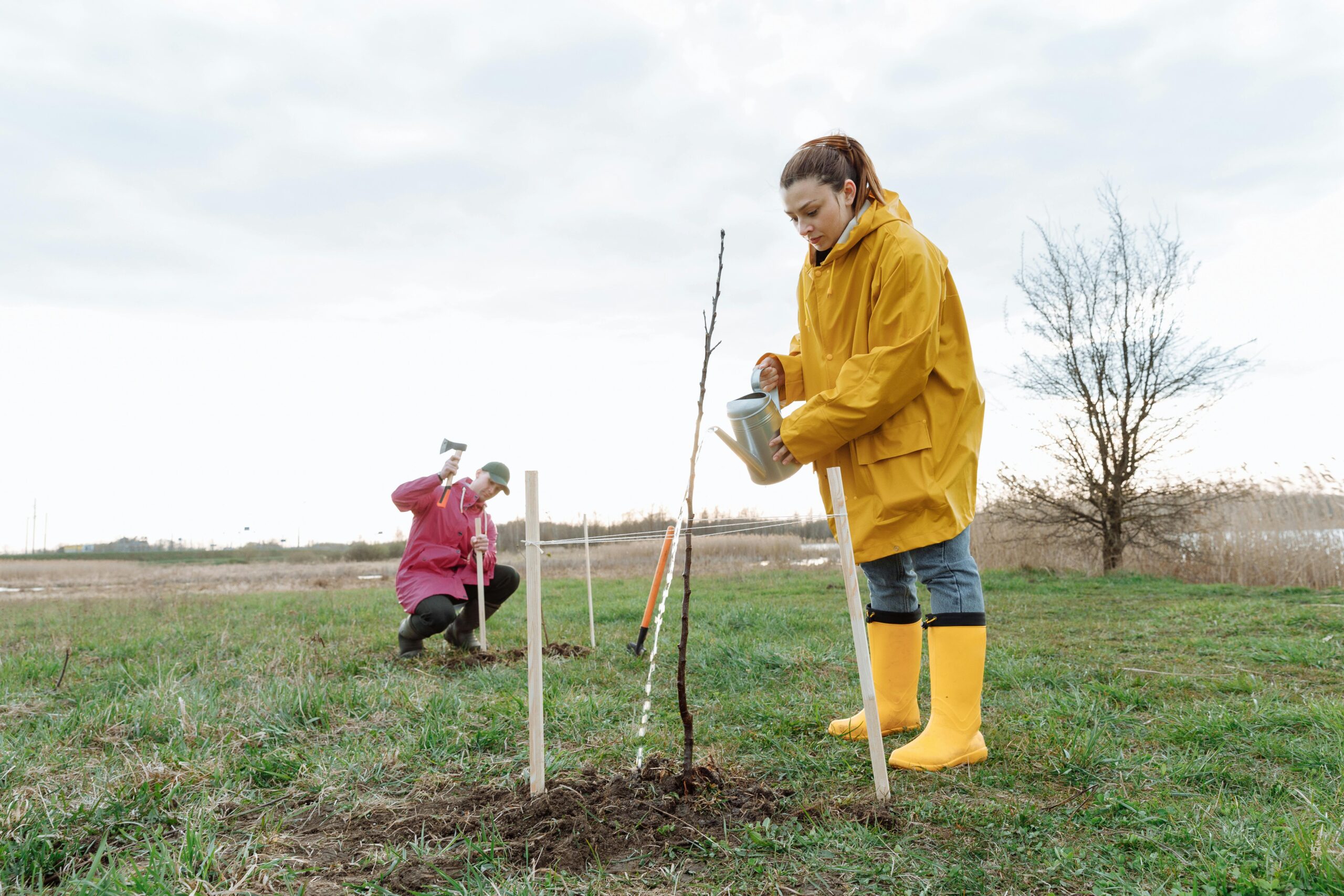
🎯 Creating Your Personalized Hot Weather Watering Plan
Every garden is unique, requiring a customized approach based on your specific climate, soil, plants, and water availability. Start by mapping your garden, noting sun exposure, soil types, and plant locations. Group plants by water needs and prioritize irrigation for high-value or particularly vulnerable specimens.
Calculate your garden’s water budget by determining how much water you can sustainably apply weekly. Factor in rainfall, available irrigation water, and any conservation restrictions. Allocate this budget strategically, recognizing that not every plant needs equal attention during heat waves.
Test and adjust your plan throughout the season. Keep notes on which plants struggle, where dry spots develop, and what techniques work best. This information becomes invaluable for future growing seasons and helps you continuously refine your approach.
Remember that successful hot weather gardening isn’t about fighting nature—it’s about working with environmental realities to create resilient, beautiful spaces that thrive despite challenging conditions. Smart watering practices form the foundation of this approach, conserving precious water resources while keeping your garden healthy and productive through the hottest months. By combining proper timing, efficient methods, appropriate plant selection, and soil improvement, you create a garden that doesn’t just survive summer heat but flourishes, providing beauty, food, and enjoyment all season long. 🌻