The rainy season brings relief to gardeners but also presents a unique challenge: keeping plants healthy without drowning them in excess moisture. Mastering the delicate balance of watering during wet months is essential for vibrant, thriving gardens.

Many plant enthusiasts struggle with understanding when to water and when to hold back during periods of frequent rainfall. The art of rainy season plant care requires observation, knowledge, and a strategic approach that differs significantly from dry season maintenance. Your plants depend on you to recognize their changing needs as weather patterns shift and soil moisture levels fluctuate dramatically.
🌧️ Understanding How Rain Affects Your Garden Ecosystem
Rainfall dramatically alters the moisture dynamics in your garden, creating conditions that can either nourish or harm your plants. When rain falls consistently, soil structure changes, oxygen availability decreases, and root systems must adapt to wetter conditions. Understanding these fundamental shifts helps you make informed decisions about supplemental watering.
During the rainy season, soil composition plays a critical role in water retention. Clay soils hold moisture much longer than sandy soils, meaning plants in different garden areas may have vastly different watering needs even when receiving identical rainfall. Observing how quickly water drains from various garden sections provides valuable insight into your watering strategy.
Container plants face distinct challenges during rainy periods. While in-ground plants benefit from natural drainage systems, potted specimens can quickly become waterlogged if saucers collect excess water or drainage holes become blocked. Elevating containers slightly and ensuring proper drainage becomes paramount during wet seasons.
Reading the Signs: When Plants Need Water Despite the Rain
Not all rainfall penetrates deeply enough to reach plant root zones effectively. Light, frequent showers may wet the soil surface while leaving deeper layers dry, particularly beneath dense foliage that acts as an umbrella. Learning to assess actual soil moisture rather than relying solely on visible rain is crucial for plant health.
Check soil moisture by inserting your finger two to three inches below the surface. If the soil feels dry at this depth, your plants likely need supplemental water regardless of recent rainfall. For deeper-rooted plants, use a soil probe or long screwdriver to test moisture levels further down, as surface wetness can be deceiving.
Wilting remains a reliable indicator of water stress, but distinguishing between underwatering and overwatering symptoms requires careful observation. Underwatered plants typically have dry, crispy leaves, while overwatered specimens show yellowing leaves, mushy stems, and a generally limp appearance even when soil is wet.
Visual Cues Your Plants Are Getting Too Much Water
Overwatering during rainy seasons manifests through several distinctive symptoms that every gardener should recognize immediately. Yellowing lower leaves that feel soft and fall off easily often indicate root oxygen deprivation from saturated soil. Fungal growth on soil surfaces, musty odors, and algae development signal excessive moisture that creates perfect conditions for plant diseases.
Root rot represents the most serious consequence of prolonged overwatering. Plants affected by root rot often show stunted growth, sudden wilting despite wet soil, and blackened, mushy roots when examined. Once root rot establishes itself, saving the plant becomes extremely difficult, making prevention through proper watering practices absolutely essential.
Strategic Watering Techniques for Rainy Season Success
Adapting your watering schedule to complement natural rainfall patterns requires flexibility and attention to weather forecasts. Instead of maintaining rigid watering routines, shift to a responsive approach that considers recent precipitation, upcoming weather predictions, and individual plant moisture requirements.
Morning watering remains optimal even during rainy periods when supplemental irrigation becomes necessary. Early watering allows excess moisture to evaporate throughout the day, reducing fungal disease risks that increase in persistently damp conditions. Avoid evening watering during humid seasons, as overnight moisture creates ideal environments for pathogens.
Deep, infrequent watering encourages robust root development that helps plants access moisture from deeper soil layers. This approach proves particularly valuable during rainy seasons when surface soil remains constantly moist but deeper zones may dry out between storm systems. Adjust watering depth based on plant maturity and root system development.
Measuring Rainfall Accurately in Your Garden
Installing a rain gauge provides objective data about precipitation amounts in your specific location. Microclimates within neighborhoods mean rainfall can vary significantly over short distances, making personal measurement more reliable than regional weather reports. Place rain gauges in open areas away from structures and trees that might intercept rainfall.
Most established plants require approximately one inch of water weekly, including rainfall. After measuring precipitation, calculate whether supplemental watering is necessary based on this guideline and your specific plant requirements. Keep a simple garden journal tracking rainfall amounts and watering sessions to identify patterns over time.
Improving Drainage to Prevent Waterlogging Disasters
Proper drainage infrastructure forms the foundation of successful rainy season gardening. Even water-loving plants suffer when roots sit in stagnant water for extended periods. Evaluating and enhancing drainage before rainy seasons arrive prevents numerous problems and protects your garden investment.
Amending heavy clay soils with organic matter, perlite, or coarse sand improves drainage capacity significantly. Work these amendments into the top 12-18 inches of soil for best results. Creating raised beds elevates root zones above areas where water naturally accumulates, providing insurance against waterlogging during heavy rainfall events.
Installing French drains or creating swales redirects excess water away from planting areas toward appropriate drainage zones. These permanent landscape modifications prove especially valuable in low-lying areas or properties with poor natural drainage. The initial investment in proper drainage pays dividends season after season.
Container Gardening Adjustments for Wet Weather
Container plants require special attention during rainy periods to prevent the waterlogging that quickly kills potted specimens. Remove saucers during extended rainy spells to eliminate standing water beneath pots. Alternatively, dump accumulated water from saucers daily to prevent root zones from becoming saturated.
Consider moving vulnerable container plants under covered areas like porches or eaves during particularly heavy rainfall periods. This simple action protects plants from excessive moisture while maintaining adequate light exposure. For large containers that cannot be relocated, tilting them slightly ensures water drains freely rather than pooling.
Verify that drainage holes remain clear and functional throughout the rainy season. Roots and soil particles can block drainage openings over time. Periodically check that water flows freely from container bottoms, clearing obstructions immediately to maintain proper drainage capacity.
📱 Smart Technology Tools for Precision Watering Management
Modern technology offers sophisticated solutions for monitoring soil moisture and optimizing watering schedules during unpredictable rainy seasons. Soil moisture sensors provide real-time data about moisture levels at root depth, eliminating guesswork from watering decisions. These devices range from simple probes with analog displays to advanced digital systems connecting to smartphone apps.
Weather-based smart irrigation controllers automatically adjust watering schedules based on local rainfall, temperature, and humidity data. These systems prevent unnecessary watering after rainfall events and optimize irrigation timing for maximum efficiency. While initially designed for in-ground irrigation systems, similar technology now serves container gardeners through smaller, portable devices.
Garden management apps help track watering schedules, record rainfall amounts, and set reminders for moisture checks. These digital tools prove invaluable for managing diverse plant collections with varying water requirements. Documenting patterns over multiple seasons builds knowledge that improves your gardening skills year after year.
Plant-Specific Strategies for Rainy Season Care
Different plant categories require distinct approaches to rainy season watering management. Understanding these variations ensures each plant type receives appropriate care matched to its natural moisture preferences and tolerance levels.
Drought-Tolerant Plants and Succulents
Drought-adapted species face the greatest risks during rainy seasons, as these plants evolved to thrive in dry conditions. Succulents, cacti, and Mediterranean herbs like rosemary and lavender absolutely require excellent drainage and extended dry periods between waterings. Consider moving potted drought-lovers to protected locations during prolonged wet spells.
For in-ground drought-tolerant plants, ensure surrounding soil drains rapidly and avoid any supplemental watering during rainy periods. These resilient species typically survive extended wet conditions better than expected if drainage prevents standing water. Monitor closely for signs of root rot, which develops quickly in saturated conditions.
Moisture-Loving Plants That Still Need Balance
Water-loving plants like ferns, hostas, and certain tropical species appreciate consistent moisture but still suffer from waterlogged conditions. Even these moisture enthusiasts require oxygen at their roots and benefit from slight drying between thorough waterings. During rainy seasons, these plants often thrive with minimal supplemental irrigation.
Focus on maintaining organic mulch layers around moisture-loving plants to regulate soil moisture levels. Mulch absorbs excess water during heavy rains and releases it gradually, creating more stable conditions. This buffering effect protects roots from dramatic moisture fluctuations that stress even water-tolerant species.
Vegetable Gardens During Rainy Periods
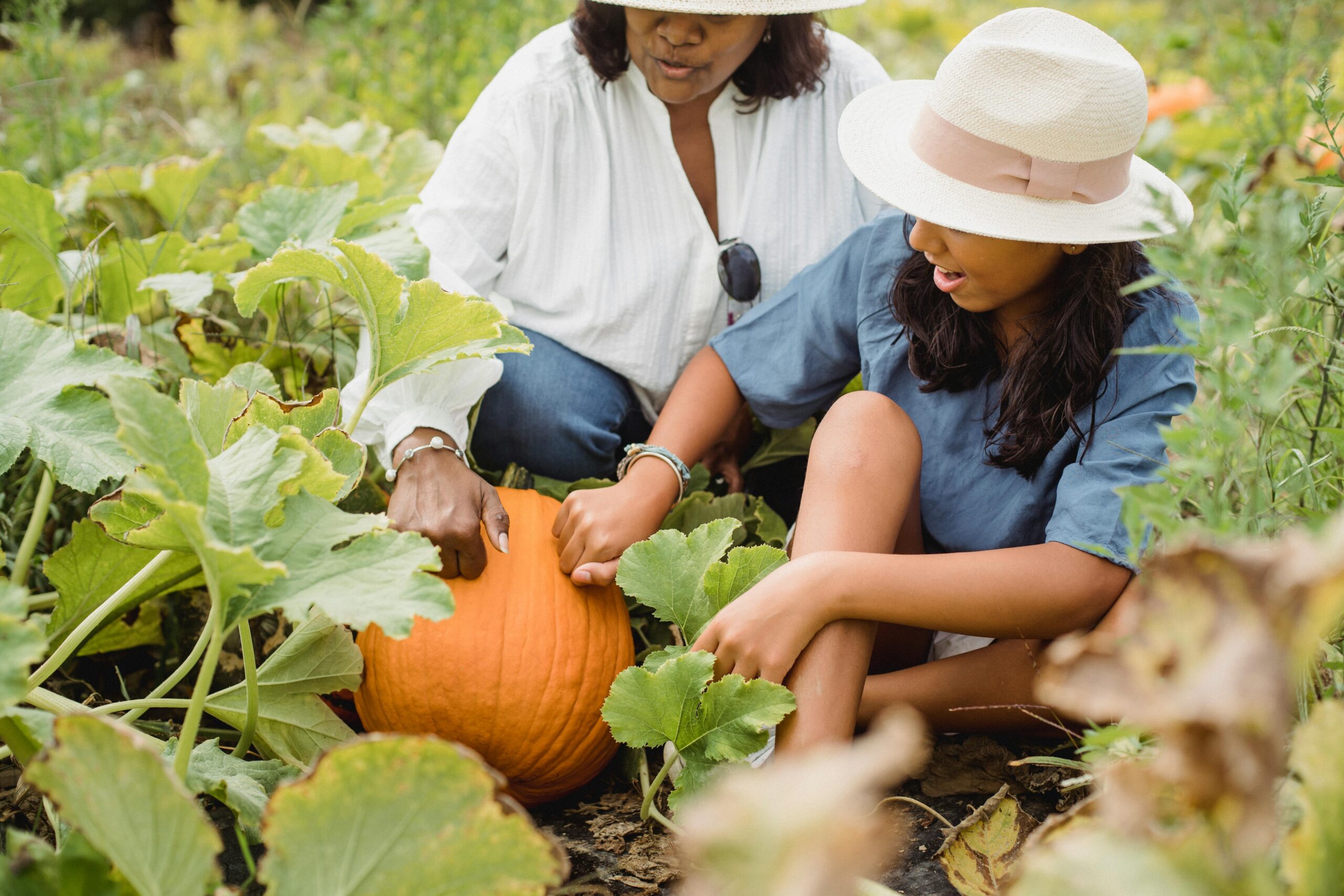
Vegetable crops have specific moisture requirements tied to their growth stages and fruiting cycles. Tomatoes, peppers, and squash need consistent moisture during flowering and fruit development but become susceptible to fungal diseases when foliage remains wet for extended periods. Space plants adequately to promote air circulation that speeds drying after rainfall.
Root vegetables like carrots and beets tolerate moisture better than fruiting crops but may crack or rot if soil remains saturated. Leafy greens appreciate consistent moisture but quickly develop mildew in persistently humid conditions. Adjust plantings to favor crops suited to wet conditions during rainy seasons, saving moisture-sensitive varieties for drier months.
Mulching Strategies to Moderate Moisture Extremes
Strategic mulch application regulates soil moisture during both wet and dry periods, creating more stable growing conditions. During rainy seasons, mulch prevents soil compaction from heavy rainfall impact, reduces splash-back that spreads soil-borne diseases, and improves drainage by maintaining soil structure.
Apply organic mulch in two to three-inch layers around plants, keeping material a few inches away from stems and trunks to prevent rot. Wood chips, shredded bark, and compost work well for most applications. Avoid excessive mulch depths that can hold too much moisture against plant crowns during extended wet periods.
Refresh mulch layers as materials decompose, particularly before rainy seasons begin. Well-maintained mulch provides consistent benefits throughout the year, adapting to seasonal conditions while protecting soil biology and plant roots from temperature extremes and moisture fluctuations.
🌿 Preventing and Managing Rainy Season Plant Diseases
Excess moisture creates favorable conditions for fungal, bacterial, and viral plant diseases that spread rapidly in wet environments. Preventive measures prove far more effective than treating established infections, making proactive disease management essential during rainy periods.
Adequate plant spacing ensures air circulation that helps foliage dry quickly after rainfall or morning dew. Crowded plantings trap moisture, creating microclimates perfect for pathogen development. Prune dense growth to open plant canopies, allowing air movement that reduces disease pressure significantly.
Apply preventive fungicide treatments before rainy seasons if your garden historically suffers from fungal issues. Organic options like neem oil, copper sprays, or biological fungicides offer protection with minimal environmental impact. Follow application instructions carefully, as timing and coverage determine effectiveness.
Remove diseased plant material immediately to prevent pathogen spread throughout your garden. Dispose of infected leaves, stems, and fruits in trash rather than compost, where disease organisms may survive. Sanitize pruning tools between plants to avoid inadvertently spreading infections.
Adjusting Fertilization During Wet Weather Cycles
Heavy rainfall leaches water-soluble nutrients from soil, potentially creating deficiencies even as moisture remains abundant. However, excess fertilization during rainy periods wastes resources and contributes to environmental pollution as nutrients wash away before plants can absorb them.
Switch to slow-release or organic fertilizers during rainy seasons, as these products release nutrients gradually and resist leaching better than fast-acting synthetic options. Apply fertilizers after major rain events when soil is moist but not saturated, allowing better nutrient uptake before the next rainfall.
Reduce fertilization frequency during rainy periods, as active growth often slows in cooler, cloudier conditions typical of wet seasons. Monitor plants for deficiency symptoms like yellowing leaves or stunted growth, adjusting fertilization accordingly rather than following fixed schedules regardless of conditions.
Creating Microclimates for Sensitive Plants
Strategic garden design creates protected microclimates that shelter vulnerable plants from excessive rainfall. Positioning sensitive species near buildings, under tree canopies, or beside larger shrubs reduces direct rain exposure while maintaining adequate light for healthy growth.
Temporary rain shelters constructed from clear plastic or shade cloth protect specific plants during heavy rainfall periods without completely blocking light. These structures prove particularly valuable for crops nearing harvest or flowering plants susceptible to moisture damage. Ensure adequate ventilation to prevent heat buildup and disease development under covers.
Rock gardens and berms create elevated, well-drained planting zones perfect for moisture-sensitive species. These landscape features shed excess water quickly while providing excellent growing conditions for alpine plants, succulents, and Mediterranean herbs that struggle in standard garden beds during rainy seasons.
Long-Term Soil Health for Better Water Management
Building healthy soil structure improves water management naturally, creating growing media that drains well yet retains adequate moisture for plant needs. Long-term soil improvement represents the most valuable investment for gardeners dealing with challenging rainy season conditions.
Regularly incorporating organic matter like compost, aged manure, or leaf mold enhances soil structure regardless of starting texture. In clay soils, organic amendments improve drainage and aeration. In sandy soils, they increase water retention capacity. This dual benefit makes organic matter the universal solution for water management challenges.
Avoid working wet soil, as this destroys structure and creates compacted layers that impede drainage for years afterward. Wait until soil reaches appropriate moisture levels before cultivating, testing readiness by squeezing a handful—if it forms a ball that crumbles when poked, conditions are right for working.
Cover cropping during off-seasons protects soil from erosion while adding organic matter and improving structure. As cover crop roots penetrate soil and decompose, they create channels that enhance drainage and aeration. This practice builds soil health systematically, producing cumulative benefits over multiple growing seasons.
Bringing Balance to Your Rainy Season Garden
Successfully navigating rainy season plant care requires shifting from routine-based watering to responsive, observation-driven practices. By understanding how rainfall affects your specific garden conditions, reading plant signals accurately, and implementing proper drainage solutions, you create an environment where plants thrive despite weather challenges.
The strategies outlined here empower you to make informed decisions that prevent both underwatering and overwatering during unpredictable wet periods. Remember that each garden presents unique conditions influenced by soil type, plant selection, and local climate patterns. Adapt these principles to your situation, observing results and refining your approach over time.
Embrace rainy seasons as opportunities to develop deeper gardening skills and understanding. The knowledge gained from managing moisture challenges translates to better plant care year-round, creating resilient gardens that flourish through whatever weather conditions arrive. Your plants will reward your attention with vigorous growth, vibrant blooms, and abundant harvests that justify the extra effort invested in mastering rainy season watering.