Raised bed gardening transforms outdoor spaces into productive, beautiful havens. Mastering proper watering techniques ensures your plants thrive and your garden flourishes year-round.

Whether you’re a seasoned gardener or just starting your raised bed journey, understanding the unique watering needs of elevated gardens is crucial for success. Raised beds offer numerous advantages—better drainage, improved soil quality, and easier access—but they also present distinct challenges when it comes to maintaining optimal moisture levels. The soil in raised beds tends to dry out faster than traditional ground-level gardens, making a strategic watering approach essential for healthy plant growth and abundant harvests.
🌱 Understanding the Unique Watering Needs of Raised Beds
Raised beds behave differently from in-ground gardens when it comes to water retention and distribution. The elevated structure, improved drainage, and typically looser soil composition mean water moves through the system more quickly. This can be both an advantage and a challenge depending on your climate, plant selection, and maintenance schedule.
The sides of raised beds expose more soil surface area to air, leading to increased evaporation from the edges. This phenomenon, known as the “edge effect,” means plants near the perimeter often require more frequent watering than those in the center. Additionally, the soil composition in raised beds—usually a blend of compost, peat moss, and vermiculite or perlite—drains more efficiently than compact garden soil, preventing waterlogging but requiring more attentive moisture management.
Temperature also plays a significant role in raised bed hydration. During hot summer months, the elevated structure absorbs more heat, warming the soil and accelerating water evaporation. Conversely, in cooler seasons, raised beds may retain warmth better but still require adjusted watering schedules to match reduced plant transpiration rates.
💧 Essential Watering Techniques for Raised Garden Beds
Implementing proper watering techniques ensures your plants receive consistent moisture without waste or root damage. The method you choose should align with your garden size, plant varieties, and available time for maintenance.
Deep Watering vs. Shallow Watering
Deep watering encourages robust root development by drawing roots downward into the soil profile. Rather than frequent light sprinklings that only moisten the surface, aim to water thoroughly but less often. This practice promotes drought-resistant plants with extensive root systems capable of accessing moisture from deeper soil layers.
When watering raised beds, apply water slowly enough that it penetrates 6-8 inches into the soil. You can check penetration depth by inserting a finger or moisture probe into the bed after watering. If only the top inch or two feels moist, you haven’t watered deeply enough. Adjust your technique to ensure water reaches the active root zone where plants can actually absorb it.
Morning Watering: The Optimal Timing Strategy
Early morning watering, ideally between 5 AM and 9 AM, provides the best results for most raised bed gardens. During these cooler hours, less water evaporates before reaching plant roots, and foliage has time to dry before evening, reducing fungal disease risks. Plants also absorb water most efficiently in the morning, preparing them for the day’s photosynthetic activities and heat stress.
Evening watering ranks as a second choice if morning isn’t feasible, though it carries slightly higher disease risks due to prolonged leaf wetness overnight. Avoid midday watering when possible, as high temperatures cause significant evaporation losses and water droplets on leaves can act as magnifying glasses, potentially burning delicate foliage.
🚿 Irrigation Systems That Work Wonders for Raised Beds
Choosing the right irrigation system transforms watering from a daily chore into an automated, efficient process. Different systems offer varying benefits depending on your garden setup, budget, and plant requirements.
Drip Irrigation: The Gold Standard
Drip irrigation systems deliver water directly to plant roots through a network of tubes and emitters, minimizing evaporation and ensuring precise water delivery. This method conserves water exceptionally well—using up to 50% less than traditional sprinklers—while keeping foliage dry and reducing disease pressure.
Installing drip irrigation in raised beds involves laying main supply lines along bed lengths with smaller emitter lines branching to individual plants. Adjustable emitters allow customization based on each plant’s water needs. Leafy greens might receive less frequent watering than thirsty tomatoes or cucumbers, all within the same system.
Soaker Hoses: Budget-Friendly Alternative
Soaker hoses provide an affordable middle ground between hand watering and sophisticated drip systems. These porous hoses weep water along their entire length, delivering moisture directly to soil level. They work particularly well for densely planted beds where plants have similar water requirements.
Lay soaker hoses in serpentine patterns throughout your raised beds, ensuring coverage within 6-8 inches of all plants. Connect them to a timer for automated watering schedules, turning a labor-intensive task into a set-it-and-forget-it system that maintains consistent moisture levels.
Sprinkler Systems: Situational Solutions
While less water-efficient than drip irrigation or soaker hoses, overhead sprinklers have their place in raised bed gardens. They work well for newly seeded beds requiring consistent surface moisture for germination, or for cooling plants during extreme heat waves. However, overhead watering increases foliar disease risks and water waste through evaporation.
If using sprinklers, opt for low-angle models that keep water close to the ground, and run them during early morning hours to allow foliage drying time. Consider sprinklers as supplementary rather than primary irrigation for raised beds.
🌡️ Determining When Your Raised Beds Need Water
Learning to read your garden’s moisture needs prevents both underwatering and overwatering—two of the most common causes of poor plant performance. Several reliable methods help you assess when it’s time to irrigate.
The Finger Test: Simple and Effective
Insert your index finger into the soil up to the second knuckle (about 2-3 inches deep). If the soil feels dry at this depth, it’s time to water. If it still feels moist, wait another day and check again. This tactile method provides immediate feedback without special equipment and works for most vegetables, herbs, and flowers in raised beds.
Moisture Meters: Technology Meets Gardening
Soil moisture meters eliminate guesswork by providing numerical readings of moisture levels at various depths. Insert the probe into different areas of your raised bed to get comprehensive moisture profiles. These tools prove especially valuable for beginners still developing their watering intuition and for gardeners managing multiple beds with different plant communities.
Visual Plant Cues
Plants communicate their hydration status through visible signals. Wilting during the hottest part of the day might indicate water stress, though slight midday drooping can be normal for some species. Morning wilting definitely signals inadequate moisture. Yellowing lower leaves, stunted growth, or premature flower drop also suggest watering problems—either too much or too little.
Pay attention to plant-specific indicators. Tomato leaves curling upward often mean water stress, while cucumbers and squash show obvious wilting when thirsty. Lettuce and other leafy greens may bolt (go to seed prematurely) when stressed by irregular watering.
💡 Pro Tips for Optimizing Water Retention in Raised Beds
Beyond watering techniques, several strategies help raised beds retain moisture longer, reducing watering frequency and promoting healthier plants.
Mulching: Your Moisture-Saving Secret Weapon
Applying 2-4 inches of organic mulch over soil surfaces dramatically reduces evaporation, moderates soil temperature, suppresses weeds, and gradually improves soil structure as it decomposes. Excellent mulch options include straw, shredded leaves, grass clippings (chemical-free), wood chips, or compost.
Leave a small gap around plant stems to prevent rot, and replenish mulch layers as they decompose throughout the growing season. Mulching can reduce watering needs by 25-50%, making it one of the most effective water conservation practices for raised beds.
Improving Soil Water-Holding Capacity
Amending raised bed soil with organic matter increases its ability to retain moisture while maintaining proper drainage—a delicate balance essential for plant health. Work aged compost, coconut coir, or peat moss into beds annually to boost water-holding capacity without creating waterlogged conditions.
Vermiculite and perlite improve aeration but don’t significantly enhance water retention. For sandy raised bed mixes that drain too quickly, incorporate more compost and consider adding materials like biochar, which holds water like a sponge while providing long-term soil benefits.
Strategic Plant Spacing and Companion Planting
Proper plant spacing creates canopy coverage that shades soil, reducing evaporation without causing overcrowding that restricts airflow and invites disease. Use the square-foot gardening method or follow seed packet spacing recommendations as starting points, adjusting based on your specific growing conditions.
Companion planting pairs plants with complementary water needs together, simplifying irrigation management. Group moisture-loving plants like celery, lettuce, and radishes in one area, while placing drought-tolerant herbs like rosemary, thyme, and oregano elsewhere. This zoning approach allows targeted watering that meets each plant community’s requirements without waste.
🌿 Seasonal Watering Adjustments for Year-Round Success
Watering needs fluctuate dramatically throughout the year as temperatures, rainfall patterns, and plant growth stages change. Adapting your approach seasonally keeps plants thriving in all conditions.
Spring: Establishing Growth Patterns
Spring brings moderate temperatures and often increased rainfall, reducing artificial watering needs. However, young seedlings and transplants require consistent moisture to establish strong root systems. Monitor soil moisture closely during this critical establishment period, watering as needed to maintain even moisture without saturation.
As temperatures rise toward summer, gradually increase watering frequency and duration to prepare plants for hotter, drier conditions ahead. Install or check irrigation systems during spring when weather is pleasant and before peak growing season demands your attention.
Summer: Peak Water Demand
Summer challenges raised bed gardeners with intense heat, rapid evaporation, and plants at peak water consumption. Most vegetable gardens require watering every 1-3 days during summer months, with frequency depending on temperature, humidity, wind, and plant types.
Focus on maintaining consistent soil moisture rather than allowing wet-dry cycles that stress plants and reduce productivity. Deep watering becomes especially important during hot weather, ensuring moisture penetrates to lower root zones where it’s protected from rapid surface evaporation.
Fall: Transitioning to Cooler Weather
As temperatures moderate in autumn, reduce watering frequency accordingly. Plants transpire less in cooler weather, and soil retains moisture longer. Overwatering during fall can lead to root diseases and poor plant performance, so adjust your schedule based on actual soil moisture rather than maintaining summer routines.
Fall gardens featuring cool-season crops like kale, spinach, and broccoli still need regular watering but generally less than summer heat-lovers. Continue monitoring moisture levels and water when the top 2-3 inches of soil feel dry.
Winter: Minimal But Mindful Watering
In mild climates where gardening continues year-round, winter watering needs drop to their lowest levels. Water only when soil becomes dry several inches deep, which might be every 1-2 weeks or less depending on rainfall. In cold climates where beds lie dormant under snow, winter watering isn’t necessary, though you might water deeply before ground freeze to help perennials and overwintering plants survive.
⚠️ Common Watering Mistakes and How to Avoid Them
Even experienced gardeners fall into watering traps that compromise plant health and garden productivity. Recognizing and correcting these common errors elevates your gardening success.
Overwatering: The Silent Plant Killer
More plants die from overwatering than underwatering, yet many gardeners water on rigid schedules regardless of actual soil conditions. Constantly soggy soil suffocates roots, preventing oxygen absorption and creating conditions for root rot diseases. Yellow leaves, mushy stems, and fungal growth signal overwatering problems.
Always check soil moisture before watering rather than following arbitrary schedules. Allow soil to dry somewhat between waterings—most plants prefer this natural wet-dry cycle over constant saturation. Improve drainage if water pools on the surface or drains extremely slowly.
Inconsistent Watering Patterns
Irregular watering—alternating between drought and flood—stresses plants and reduces yields. Tomatoes develop blossom end rot when calcium uptake is disrupted by inconsistent moisture. Root crops split when sudden watering follows dry periods. Lettuce bolts prematurely when stressed by irregular irrigation.
Establish consistent watering routines or use automated systems with timers to maintain steady moisture levels. Plants grow best when they can depend on regular water availability, allowing them to focus energy on growth and production rather than survival.
Ignoring Individual Plant Needs
Not all plants require the same amount of water. Cucumbers and squash are notoriously thirsty, while established tomato plants tolerate drier conditions. Herbs like lavender, rosemary, and sage prefer lean, well-drained soil, while basil and parsley need more consistent moisture.
Research the specific water requirements of plants in your raised beds and group similar-needs plants together when possible. This zoning approach simplifies irrigation management and ensures each plant receives appropriate moisture without compromise.
🌈 Creating a Sustainable Watering Plan for Your Raised Garden
Developing a comprehensive watering strategy that balances plant needs, water conservation, and your available time creates a sustainable system that supports gardening success long-term.
Start by assessing your garden’s specific conditions: bed size and number, plant varieties, sun exposure, climate patterns, and water source. Document what you observe over several weeks—which areas dry out fastest, which plants show stress first, and how weather affects moisture levels. This baseline information guides your irrigation planning.
Invest in infrastructure that automates or simplifies watering tasks. Even basic timer-controlled hose systems reduce daily workload while maintaining consistency. For larger gardens or busier schedules, drip irrigation with programmable controllers provides reliable, efficient watering that adapts to seasonal needs.
Consider water conservation from the start by incorporating rain barrels or cisterns to capture roof runoff for garden use. This free water source reduces municipal water consumption and provides plants with chemical-free irrigation. Additionally, harvest excess water from dehumidifiers, air conditioners, or cooking activities to supplement irrigation needs.
Document your watering practices in a garden journal, noting dates, durations, weather conditions, and plant responses. Over time, these records reveal patterns that refine your approach, helping you anticipate needs and prevent problems before they impact your garden’s health and productivity.
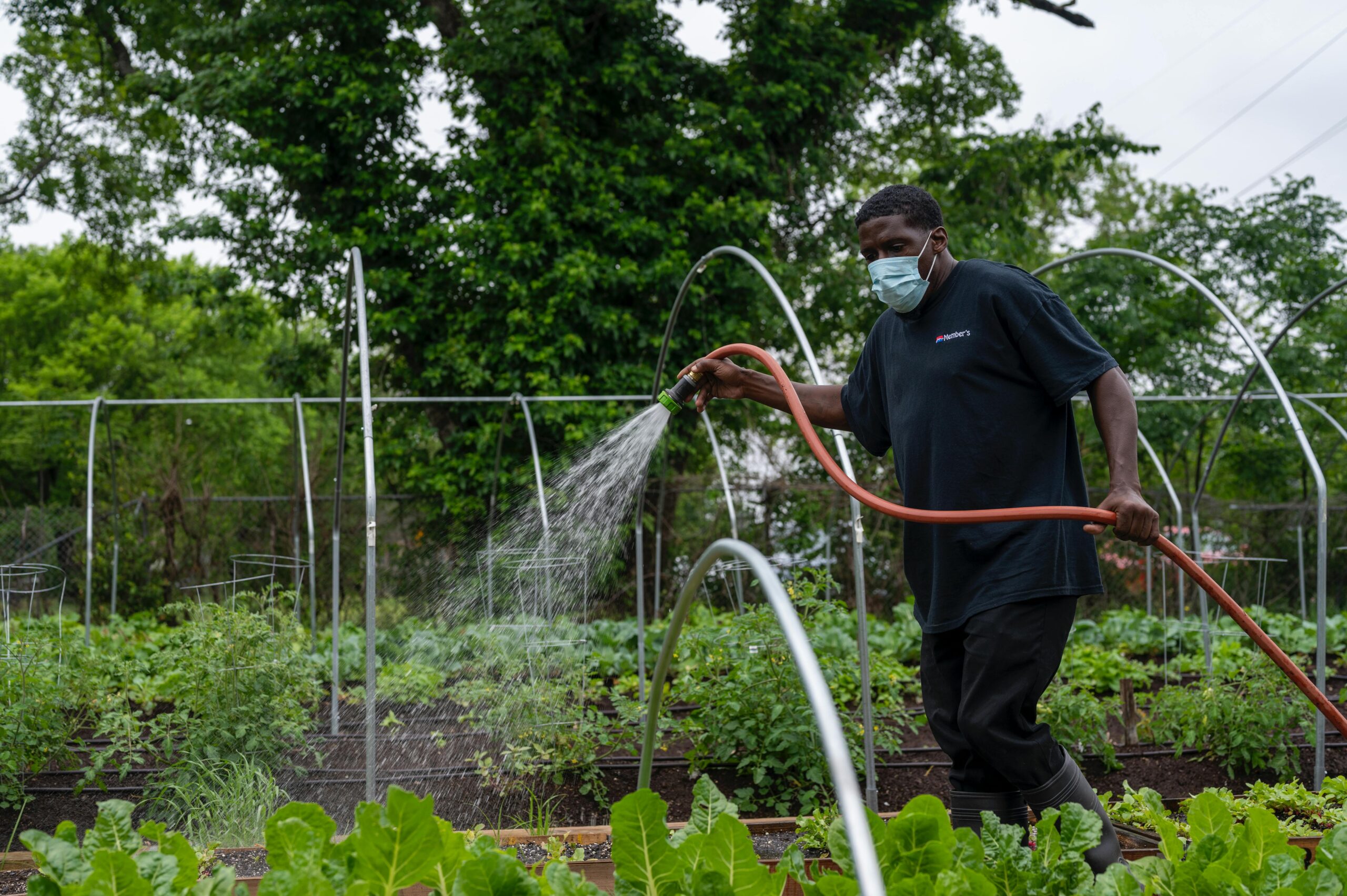
🏆 Reaping the Rewards of Proper Raised Bed Watering
Mastering the art of watering raised beds transforms your garden from surviving to thriving. Plants respond to optimal moisture management with vigorous growth, abundant yields, and enhanced disease resistance. Your investment of time learning proper techniques pays dividends in reduced maintenance, lower water bills, and the satisfaction of growing healthy, productive plants.
The journey to watering mastery combines observation, experimentation, and adaptation. Each garden presents unique challenges and opportunities, requiring thoughtful responses rather than one-size-fits-all solutions. By understanding the principles behind effective watering, implementing appropriate systems, and remaining attentive to your plants’ signals, you create conditions where both your garden and your gardening skills flourish.
Remember that even the most experienced gardeners continue learning and adjusting their practices. Weather patterns change, new plant varieties enter your garden, and your own schedule evolves. Embrace this ongoing learning process as part of gardening’s inherent rewards. With the knowledge and techniques shared here, you’re well-equipped to provide your raised bed garden with the consistent, appropriate moisture that unlocks its full potential. Your plants will thank you with lush foliage, beautiful flowers, and bountiful harvests that make every moment spent mastering this essential skill worthwhile.