Watering your garden might seem like a simple task, but timing makes all the difference between thriving plants and struggling greenery. The debate between morning and evening watering has gardeners divided, each approach offering distinct advantages.

Whether you’re a seasoned gardener or just starting your green journey, understanding when to water can dramatically impact plant health, water efficiency, and overall garden success. Let’s dive deep into the science and practicality of watering schedules to help your garden flourish.
🌅 Why Morning Watering Wins the Gold Medal
Morning watering consistently ranks as the preferred choice among horticulturists and experienced gardeners worldwide. When you water in the early hours, typically between 6 AM and 10 AM, you’re working with nature’s rhythm rather than against it.
The cooler morning temperatures mean less water evaporates before reaching plant roots. This efficiency translates to better water conservation and healthier plants that receive maximum hydration. Additionally, morning watering prepares plants for the day ahead, ensuring they’re well-hydrated before facing afternoon heat stress.
Foliage that gets wet during morning watering has ample time to dry throughout the day. This drying period is crucial for preventing fungal diseases, mildew, and bacterial infections that thrive in moist conditions. Wet leaves combined with warm temperatures create the perfect breeding ground for plant pathogens.
The Science Behind Morning Hydration
Plants undergo photosynthesis during daylight hours, a process requiring water as a key ingredient. When you water in the morning, you’re essentially fueling your plants right before their most productive period. This timing supports optimal nutrient uptake and growth.
Morning watering also aligns with natural dew patterns. In many climates, morning dew naturally moistens plants, and supplemental watering during this time complements rather than contradicts natural cycles. Your garden essentially expects moisture during these hours.
🌙 Evening Watering: When It Makes Sense
Despite morning watering’s popularity, evening irrigation has its place in certain situations. Understanding when evening watering becomes beneficial helps you make informed decisions for your specific garden conditions.
In extremely hot climates where daytime temperatures soar above 95°F (35°C), morning watering alone might not suffice. Evening supplemental watering can provide relief to heat-stressed plants, though this should be approached cautiously to avoid creating prolonged moisture on foliage overnight.
For gardeners with demanding schedules, evening watering might be the only practical option. Watering at 5 PM or 6 PM is better than not watering at all, especially if you consistently miss morning opportunities due to work commitments.
The Risks You Should Know About
Evening watering carries inherent risks that morning watering avoids. When you water late in the day, plant foliage remains wet throughout the cooler night hours. This extended moisture period creates ideal conditions for fungal growth, including powdery mildew, black spot, and downy mildew.
Slugs and snails become more active in moist evening conditions. These pests can cause significant damage to tender plants, especially vegetables and ornamental flowers. Morning watering reduces this pest attraction by allowing surfaces to dry before nightfall.
Root rot becomes more likely with evening watering, particularly in poorly draining soils. Without sunlight and warmth to encourage evaporation, excess water sits around roots longer, potentially suffocating them and encouraging anaerobic bacteria growth.
💧 Midday Watering: The Exception to the Rule
Conventional wisdom strongly advises against midday watering, but there are emergency exceptions. Understanding these situations helps you respond appropriately when plants show distress signals during peak heat hours.
Severely wilted plants experiencing heat stress may benefit from immediate midday hydration despite water loss to evaporation. In such cases, saving the plant takes priority over water efficiency. Focus water directly at the root zone rather than overhead to minimize waste.
Container plants dry out faster than in-ground plantings and may require midday watering during heat waves. Their limited soil volume cannot retain moisture as effectively, making them more vulnerable to rapid dehydration.
🌱 Different Plants, Different Needs
Not all plants respond identically to watering schedules. Understanding specific plant requirements helps you tailor your watering routine for optimal results across your diverse garden.
Vegetables and Edibles
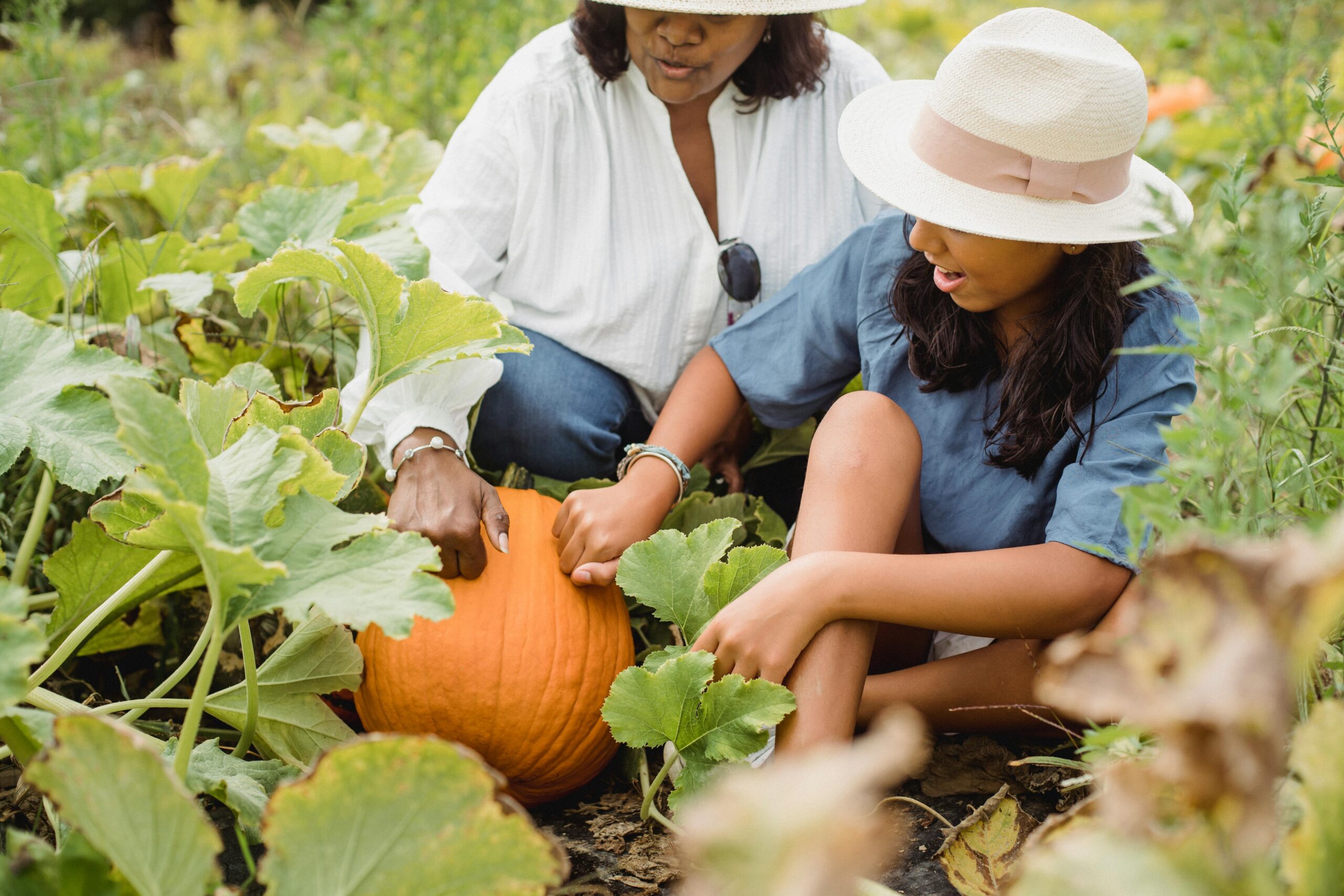
Vegetable gardens benefit immensely from morning watering. Tomatoes, peppers, cucumbers, and squash are particularly susceptible to fungal diseases when foliage remains wet overnight. Morning watering ensures leaves dry quickly, reducing disease pressure while providing hydration for fruit development.
Leafy greens like lettuce and spinach prefer consistent moisture but can develop rot if overwatered in evening hours. Morning irrigation followed by mulching helps maintain steady soil moisture without promoting disease.
Flowering Plants and Ornamentals
Roses absolutely thrive with morning watering schedules. These popular flowers are notoriously susceptible to black spot and powdery mildew, both exacerbated by wet evening foliage. Deep morning watering encourages strong root systems and abundant blooms.
Perennials and annuals generally prefer morning hydration, though drought-tolerant species like lavender and coneflowers require less frequent watering regardless of timing. Focus on deep, infrequent watering rather than shallow daily sessions.
Trees and Shrubs
Established trees and shrubs have deep root systems that benefit from less frequent but thorough watering. Morning remains ideal, but these woody plants tolerate evening watering better than herbaceous plants due to their structural resilience and established root networks.
Newly planted trees and shrubs require more frequent watering during their establishment period. Morning watering helps these plants cope with transplant stress while developing strong root systems in their new location.
🌍 Climate Considerations That Change Everything
Your local climate dramatically influences optimal watering times. What works perfectly in Mediterranean climates may prove disastrous in tropical or desert environments.
Hot and Dry Climates
Desert and arid regions face extreme evaporation rates. Morning watering remains preferred, but very early morning sessions (5 AM to 7 AM) maximize water efficiency. Some gardeners in these zones successfully implement split watering—light morning irrigation followed by evening root-zone watering.
Drip irrigation and soaker hoses work exceptionally well in hot climates, delivering water directly to roots regardless of timing while minimizing evaporation losses.
Humid and Tropical Regions
High humidity zones present unique challenges. Morning watering becomes absolutely critical because natural humidity already promotes fungal issues. Any additional evening moisture dramatically increases disease pressure on susceptible plants.
In tropical regions, brief afternoon thunderstorms naturally water gardens. Supplemental morning watering ensures plants receive adequate hydration without compounding moisture-related problems.
Temperate and Cool Climates
Moderate climates offer more flexibility in watering schedules. However, morning still edges out evening due to disease prevention benefits. Cool-season plants in these regions establish strong growth with consistent morning hydration.
💦 Watering Methods and Their Optimal Timing
The watering method you choose interacts with timing to affect plant health and water efficiency. Each technique has ideal implementation times.
Overhead Sprinklers
Sprinklers that wet foliage should exclusively run in early morning hours. This timing allows complete leaf drying before nightfall, minimizing fungal disease risks while ensuring adequate soil moisture penetration.
Drip Irrigation Systems
Drip systems deliver water directly to root zones, avoiding foliage entirely. This method offers maximum flexibility—morning remains ideal, but evening watering poses fewer risks compared to overhead methods since leaves stay dry.
Hand Watering
Manual watering with hoses or watering cans works best in morning hours when you can carefully direct water to soil rather than leaves. This method allows precise control over water placement and volume.
Soaker Hoses
Soaker hoses function similarly to drip irrigation, slowly releasing water at ground level. These can operate morning or evening with minimal disease risk, though morning still optimizes water absorption before heat increases evaporation.
⏰ Creating Your Perfect Watering Schedule
Developing a consistent watering routine requires considering multiple factors simultaneously. Your personalized schedule should balance plant needs, climate conditions, and practical constraints.
Start by observing your garden’s microclimate. Note areas that dry faster, spots with poor drainage, and plants showing stress signals. This knowledge helps you customize watering duration and frequency for different garden zones.
Invest in a simple soil moisture meter to eliminate guesswork. These inexpensive tools reveal when soil truly needs water versus when surface dryness misleads you into overwatering. Water only when the top 2-3 inches of soil feel dry.
Consider installing a programmable timer for automatic watering systems. Set these for early morning hours (5 AM to 7 AM) to ensure consistency even when you’re traveling or during busy weeks.
🌿 Signs You’re Watering at the Wrong Time
Your plants communicate their watering needs through visual signals. Learning to read these signs helps you adjust your watering schedule effectively.
Yellow or brown leaf spots often indicate fungal diseases promoted by evening watering or overhead irrigation. If you notice increasing disease pressure, switch to morning watering and avoid wetting foliage.
Wilting during midday followed by recovery in evening suggests insufficient morning hydration. Increase your morning watering volume or frequency rather than adding evening sessions.
Persistent soil moisture combined with yellowing leaves signals overwatering or poor drainage. Reduce watering frequency and improve soil structure with organic matter amendments.
🎯 Expert Tips for Watering Success
Professional gardeners and horticulturists share common practices that maximize watering effectiveness regardless of timing preference.
Water deeply but infrequently to encourage deep root growth. Shallow, frequent watering creates weak, surface-level root systems vulnerable to drought stress. Aim for 1-1.5 inches of water per week, delivered in one or two deep sessions.
Mulch your garden beds with 2-4 inches of organic material. Mulch conserves soil moisture, reduces evaporation, moderates soil temperature, and suppresses weeds that compete for water resources.
Group plants with similar water needs together. This zoning approach prevents overwatering drought-tolerant species while ensuring moisture-loving plants receive adequate hydration.
Adjust watering schedules seasonally. Spring and fall typically require less frequent watering than summer peaks. Reduce watering as plants enter dormancy in late fall and winter.

🌈 The Verdict: Morning Claims Victory
After examining all factors—plant health, disease prevention, water efficiency, and practical considerations—morning watering emerges as the clear winner for most gardens and situations. The combination of reduced disease risk, optimal plant uptake, and natural alignment with photosynthesis cycles makes morning the scientifically superior choice.
However, gardening isn’t about rigid rules but rather understanding principles and adapting them to your unique circumstances. If evening watering is your only option, implement it thoughtfully by directing water to roots, avoiding foliage, and choosing disease-resistant plant varieties.
The best watering time ultimately depends on your specific garden conditions, climate, plant selection, and lifestyle. Start with morning watering as your baseline, observe your plants’ responses, and adjust accordingly. Consistent observation and willingness to adapt will always trump rigid adherence to any single approach.
Your garden’s happiness depends not just on when you water, but on how consistently you provide appropriate moisture levels. Whether you’re an early riser who enjoys peaceful morning garden time or an evening gardener unwinding after work, understanding these principles empowers you to make informed decisions that keep your plants thriving throughout the growing season.