Keeping plants healthy and vibrant doesn’t have to be complicated. With the right knowledge and consistent care practices, anyone can transform their living space into a thriving green sanctuary.

Many plant enthusiasts struggle with finding the perfect balance between too much and too little water, often leading to stressed, wilting plants that fail to reach their full potential. Understanding your plants’ unique needs and recognizing the early warning signs of underwatering can make all the difference between a flourishing indoor garden and a collection of struggling greenery. Whether you’re a complete beginner or looking to refine your plant care skills, mastering these fundamental techniques will set you on the path to becoming a confident plant parent who can nurture beautiful, healthy plants year-round.
🌱 Understanding Your Plants’ Water Requirements
Every plant species has evolved with distinct watering needs based on its natural habitat. Desert-dwelling succulents store water in their thick leaves and require infrequent watering, while tropical plants from humid rainforests often need consistent moisture to mimic their native environment. Learning about your specific plants’ origins provides valuable insight into how often they should be watered and what type of care they truly need.
The size of your plant, the pot it’s in, and the current season all influence how quickly soil dries out. Smaller pots dry faster than larger ones, and plants actively growing during spring and summer consume more water than during their dormant winter period. Pay attention to these variables rather than following a rigid watering schedule, as flexibility based on actual conditions produces far better results.
Signs That Your Plants Need More Water
Recognizing underwatering stress early allows you to intervene before permanent damage occurs. Wilting leaves are often the first visible sign, but by the time foliage droops significantly, your plant has already been stressed for some time. More subtle indicators include leaves that feel papery or crispy to the touch, especially along the edges and tips.
Color changes also signal water deficiency. Leaves may become dull, lose their vibrant green hue, or develop brown, crispy patches. Some plants will shed lower leaves as a survival mechanism when water becomes scarce. The soil itself provides crucial clues—if it pulls away from the edges of the pot or feels completely dry several inches down, your plant is likely thirsty.
💧 Mastering the Perfect Watering Technique
How you water matters just as much as when you water. Rather than giving plants small sips daily, deep watering encourages roots to grow downward and develop strong, extensive systems. Water thoroughly until excess drains from the bottom holes, ensuring the entire root ball becomes moistened rather than just the top layer of soil.
Allow water to absorb slowly by pouring in stages, giving the soil time to soak up moisture between additions. This prevents water from simply running down the sides of the pot without actually hydrating the root zone. For severely underwatered plants where soil has become hydrophobic and repels water, bottom watering can be particularly effective—place the pot in a basin of water and let it absorb moisture from below for 20-30 minutes.
The Finger Test Method
One of the most reliable ways to determine watering needs involves sticking your finger into the soil up to the second knuckle. If the soil feels dry at that depth, it’s time to water. For plants that prefer to dry out more between waterings, wait until the soil feels dry even deeper. This simple tactile method beats any predetermined schedule because it responds to actual conditions.
Moisture meters offer another option for those who prefer a technological approach, providing numerical readings of soil moisture at different depths. However, developing an intuitive feel for your plants’ needs through regular observation and touch remains invaluable for long-term success.
🪴 Choosing the Right Soil and Containers
Well-draining soil prevents both underwatering and overwatering problems by allowing excess moisture to escape while retaining enough for plant roots to access. Most houseplants thrive in a mix that contains peat moss or coco coir, perlite or vermiculite, and some organic matter. Cacti and succulents need even grittier, faster-draining mixes with added sand or pumice.
Your container choice significantly impacts water retention. Terracotta pots are porous and allow moisture to evaporate through the sides, meaning plants dry out faster than in plastic or glazed ceramic containers. This can be advantageous for plants prone to root rot but requires more frequent watering. Always ensure pots have drainage holes—these are non-negotiable for healthy root systems.
When to Repot for Better Water Management
Root-bound plants struggle with water absorption because compacted roots leave little room for soil to hold moisture. If water runs straight through your pot without being absorbed, or if roots circle densely at the soil surface or emerge from drainage holes, repotting into a slightly larger container with fresh soil will improve water retention and overall plant health.
🌿 Creating an Optimal Environment
Light, temperature, and humidity all interact with watering needs in complex ways. Plants in bright, warm locations consume water faster than those in cooler, shadier spots. If you notice your plants drying out too quickly despite frequent watering, consider whether they might benefit from slightly less intense light or whether the ambient humidity could be increased.
Indoor heating during winter and air conditioning in summer both reduce humidity levels, causing plants to lose moisture more rapidly through their leaves. Grouping plants together creates a microclimate with higher humidity, as does placing pots on trays filled with pebbles and water (ensuring the pot bottom doesn’t sit in water). For particularly humidity-loving species like ferns and calatheas, a small humidifier can make a dramatic difference.
Seasonal Adjustments in Plant Care
Your watering routine should shift with the seasons. During active growing periods in spring and summer, most plants require more frequent watering as they produce new leaves, stems, and flowers. As autumn approaches and growth naturally slows, gradually reduce watering frequency. In winter, many houseplants enter semi-dormancy and need significantly less water—sometimes half or even a quarter of their summer requirements.
Resist the urge to maintain summer watering schedules year-round. Overwatering dormant plants causes root rot and other serious problems. Instead, check soil moisture more carefully and water only when needed, which may be every two or three weeks rather than weekly.
📱 Using Technology to Improve Your Plant Care
Modern plant care apps help beginners and experienced gardeners alike by providing customized watering schedules, plant identification tools, and care reminders. These digital assistants can be particularly valuable when you’re learning about new species or managing a large collection where it’s easy to forget which plants were watered when.
Many apps include extensive plant databases with specific care instructions, allowing you to look up your exact species and receive tailored guidance. Some even offer diagnostic tools where you can upload photos of problematic plants and receive suggestions about what might be wrong. While apps shouldn’t replace your own observation and intuition, they serve as helpful supplements to your knowledge.
🌞 Light Requirements and Water Relationship
The amount of light your plants receive directly correlates with their water consumption. Photosynthesis requires both light and water, so plants in bright conditions use more water than those in low light. If you’ve positioned a plant in a sunny window, expect to water more frequently than if it were across the room in moderate shade.
Conversely, underwatering symptoms can sometimes be confused with insufficient light. A plant that’s not receiving enough light may appear weak and pale even if properly watered. Understanding this relationship helps you address the root cause of problems rather than applying the wrong solution. Before assuming water is the issue, consider whether light levels might need adjustment.
Matching Plants to Your Space
Success often comes down to choosing plants that naturally suit your environment. If you have a bright, sunny home and tend to forget watering, drought-tolerant species like snake plants, pothos, or ZZ plants will forgive occasional neglect. For shadier spaces, peace lilies, philodendrons, and most ferns adapt well to lower light while signaling clearly when they need water.
🔍 Diagnosing and Fixing Underwatering Damage
When you’ve identified underwatering as the problem, immediate action can often save your plant. Give it a thorough, deep watering and place it in a location with appropriate light—not too intense, as stressed plants benefit from gentler conditions while recovering. Mist the foliage lightly to increase humidity around the leaves.
Trim away any completely dead, crispy foliage, but leave partially damaged leaves unless they’re more than 50% affected. Plants can often recover damaged leaves partially, and removing too much foliage at once stresses them further. Over the following weeks, maintain consistent moisture without swinging to overwatering, and you should see improvement as new growth emerges.
Prevention Strategies for Long-Term Success
Establishing routines helps prevent underwatering before it becomes a problem. Designate a specific day each week to check all your plants, assessing moisture levels and watering those that need it. This regular attention allows you to catch issues early and develop familiarity with each plant’s individual patterns.
Consider setting phone reminders if you tend to get busy and forget about plant care. Even a simple weekly notification to “check plants” can make the difference between thriving greenery and stressed specimens. The key is building habits that work with your lifestyle rather than against it.
💪 Building Resilient, Healthy Root Systems
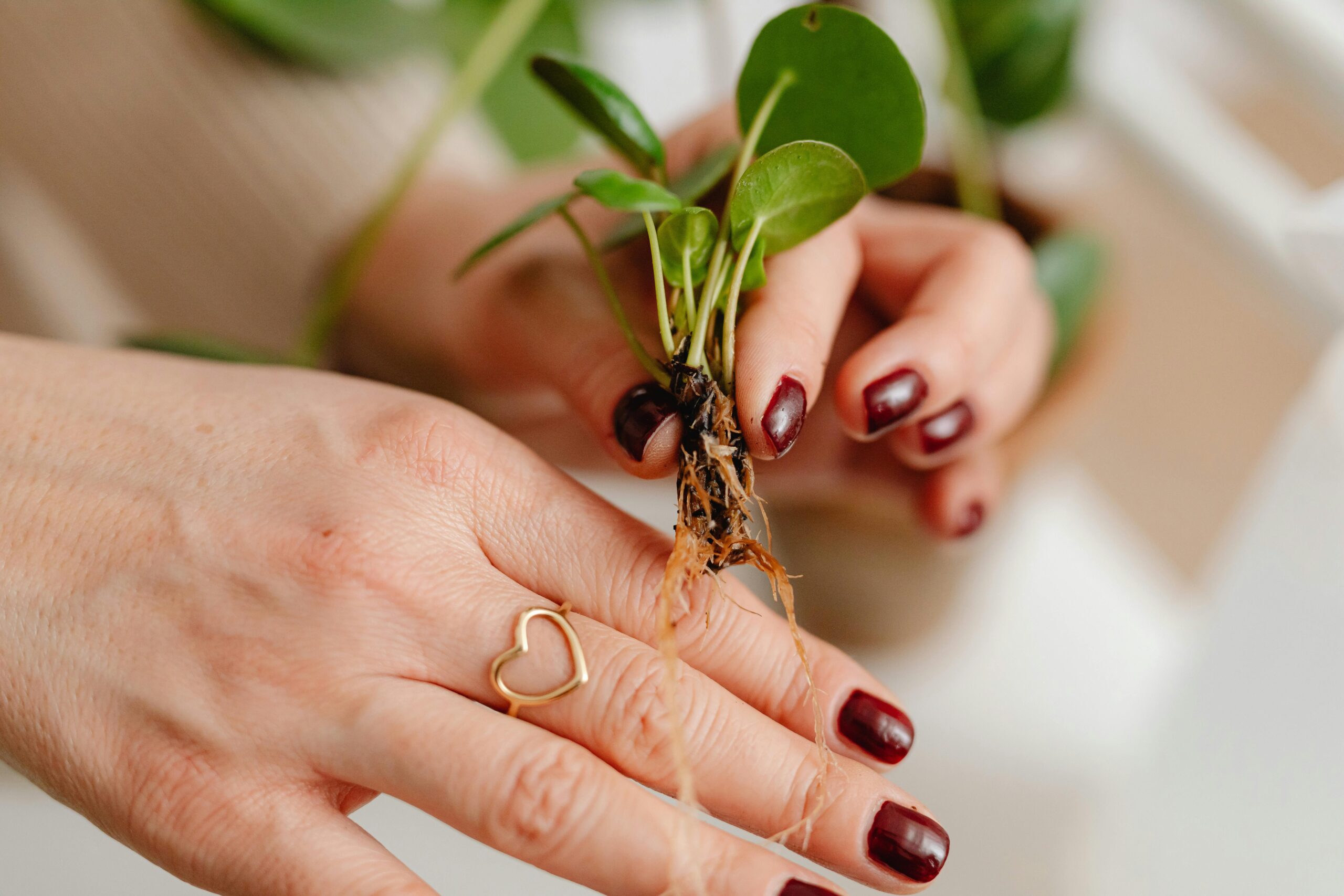
Strong roots are the foundation of plant health and resilience against both underwatering and overwatering stress. Deep watering encourages roots to grow downward rather than staying shallow near the surface. This extensive root system allows plants to access moisture from a larger soil volume and survive temporary dry periods more successfully.
Allowing soil to dry slightly between waterings (for most species) also promotes root health by ensuring adequate oxygen reaches the root zone. Constantly soggy soil suffocates roots, while perpetually dry soil never allows them to develop properly. The cycle of wet and dry creates the ideal conditions for robust root growth.
Fertilization and Water Balance
Proper nutrition supports plants’ ability to manage water efficiently. Well-fed plants with adequate nutrients develop stronger cell walls and more efficient water transport systems. During the growing season, fertilize according to your specific plants’ needs—typically every 2-4 weeks with diluted liquid fertilizer for most houseplants.
However, never fertilize severely underwatered or stressed plants. Wait until they’ve recovered and show signs of new growth before resuming fertilization. Applying nutrients to damaged roots can cause further harm, so patience is essential during recovery periods.
🌍 Different Plant Types, Different Needs
Understanding broad plant categories helps you apply appropriate care strategies. Succulents and cacti evolved in arid environments and store water in their tissues, requiring infrequent watering and fast-draining soil. Water only when soil is completely dry, often every 2-3 weeks or even less frequently in winter.
Tropical foliage plants like monsteras, calatheas, and ferns generally prefer consistent moisture without becoming waterlogged. Their natural rainforest habitats provide regular rainfall and high humidity. For these plants, water when the top inch or two of soil becomes dry, maintaining relatively even moisture levels throughout the year with slight reduction in winter.
Flowering plants often have higher water needs during blooming periods, as producing flowers requires significant energy and resources. Pay extra attention to moisture levels when your plants are flowering or setting buds, as underwatering during this critical time can cause bud drop or shortened bloom periods.
✨ Common Mistakes to Avoid
One of the biggest pitfalls is watering on a fixed schedule regardless of actual needs. Monday watering routines might work sometimes, but plants don’t follow our calendars. Environmental conditions change daily, and your watering should respond to these variations rather than arbitrary dates.
Using cold water straight from the tap can shock plant roots, especially for tropical species. Let water sit at room temperature for a few hours before using it, which also allows chlorine to dissipate. Additionally, avoid leaving plants sitting in saucers of standing water, as this leads to root rot even if the soil surface appears dry.
Don’t mist plants as a substitute for proper watering. While misting can temporarily increase humidity around foliage, it doesn’t hydrate the root system where water is truly needed. Rely on thorough soil watering as your primary method, using misting only as a supplementary humidity boost for appropriate species.
🏆 Advanced Tips for Plant Care Excellence
Once you’ve mastered basic watering, consider implementing more advanced strategies. Self-watering pots with reservoir systems can help maintain consistent moisture for plants that dislike drying out completely. These containers allow plants to absorb water as needed through capillary action, reducing the frequency of manual watering.
For extended absences, set up automatic watering systems or ask a trusted friend to plant-sit. Vacation watering stakes, drip systems, or even simple DIY methods using wine bottles can keep plants hydrated while you’re away. Always test these systems before actually leaving to ensure they work properly.
Document your care routine and observations in a plant journal or spreadsheet. Note when you water each plant, any changes you observe, and how they respond to different care approaches. This record becomes invaluable reference material, helping you fine-tune your methods and repeat successes while avoiding past mistakes.
🌟 Embracing the Journey of Plant Parenthood
Becoming skilled at plant care is a gradual process that involves some trial and error. Don’t be discouraged by occasional losses or mistakes—even experienced gardeners face challenges. Each plant teaches valuable lessons that improve your overall understanding and capabilities.
The connection you develop with your plants goes beyond simple maintenance tasks. As you learn to read their signals and respond to their needs, you’ll find that caring for plants becomes a rewarding, meditative practice that reduces stress and brings natural beauty into your daily environment. The effort you invest in understanding proper watering and avoiding underwatering stress pays dividends in lush, vibrant greenery that transforms your space.
Start with a few easy-care plants, apply these fundamental principles consistently, and gradually expand your collection as your confidence grows. With attention, patience, and the practical knowledge you’ve gained here, you’ll master the art of plant care and enjoy the countless benefits that thriving greenery brings to your home and life.