Transforming your garden into a thriving oasis requires more than just passion—it demands knowledge of optimal watering practices. Understanding when, how, and how much to water established plants can mean the difference between struggling specimens and flourishing landscapes that become the envy of your neighborhood.

Many gardeners struggle with the fundamental question of watering frequency, often defaulting to daily routines that can actually harm their plants. Established gardens have unique needs that differ significantly from newly planted spaces, requiring a strategic approach that considers soil type, climate conditions, plant species, and seasonal variations to achieve truly spectacular results.
🌱 Understanding Established Garden Water Needs
Established gardens typically consist of plants that have been in the ground for at least one full growing season. During this time, root systems have developed extensively, reaching deeper into the soil profile where moisture remains more consistent. This fundamental difference means that established plants require less frequent watering than their newly planted counterparts, though each watering session should be more thorough.
The root depth of established plants varies considerably by species. Perennials may develop roots extending 12-18 inches deep, while mature shrubs can reach 3-4 feet, and trees may penetrate 6 feet or more. Understanding these depths helps determine proper watering duration and frequency, ensuring moisture reaches the active root zone where it’s actually needed.
Soil Type Matters More Than You Think
Your soil composition dramatically influences water retention and drainage characteristics. Clay soils hold moisture longer but drain slowly, while sandy soils drain quickly but retain less water. Loamy soils offer the ideal balance, though most gardens contain variations throughout different areas.
Testing your soil texture is simple: take a handful of moist soil and squeeze it. Clay soil forms a tight ball that doesn’t crumble easily. Sandy soil falls apart immediately. Loam holds its shape initially but crumbles with gentle pressure. This knowledge allows you to customize watering schedules for different garden zones.
💧 Creating Your Optimal Watering Schedule
The golden rule for established gardens is “water deeply and infrequently.” This approach encourages deep root growth, creates drought-resistant plants, and reduces disease pressure compared to frequent shallow watering. Most established gardens thrive with one to two thorough waterings per week during the growing season, though this varies based on multiple factors.
Seasonal Adjustments for Peak Performance
Spring typically requires moderate watering as plants emerge from dormancy and rainfall is often adequate. As temperatures rise and growth accelerates, monitor soil moisture more carefully. Summer demands peak attention with increased evaporation rates and active plant growth creating maximum water needs.
Fall watering should gradually decrease as temperatures cool and plant growth slows, though maintaining adequate moisture before winter freeze is crucial for plant survival. Winter watering for evergreens and during dry spells prevents desiccation damage, especially for broadleaf evergreens vulnerable to winter burn.
🕐 Timing Is Everything: When to Water
Early morning watering, ideally between 4 AM and 10 AM, represents the optimal window for established gardens. During these hours, temperatures are cooler, reducing evaporation losses, and plants can absorb moisture before the day’s heat. Foliage has time to dry before nightfall, minimizing fungal disease risks that thrive in prolonged damp conditions.
Evening watering, while sometimes necessary, should be avoided when possible. Wet foliage overnight creates ideal conditions for powdery mildew, black spot, and other fungal infections. If evening watering is unavoidable, use drip irrigation or soaker hoses that deliver water directly to the soil without wetting leaves.
Reading Your Garden’s Thirst Signals
Plants communicate their water needs through various visual cues. Wilting remains the most obvious signal, though waiting until this stage can stress plants unnecessarily. More subtle indicators include leaf color changes, with many plants developing a slightly duller or greyish cast when moisture is needed.
The finger test provides reliable feedback: insert your finger 2-3 inches into the soil. If it feels dry at this depth, watering is needed. If moisture is present, wait another day or two. This simple technique prevents both overwatering and underwatering, the two most common causes of plant stress in established gardens.
💦 Watering Methods for Established Gardens
The delivery method significantly impacts water efficiency and plant health. Overhead sprinklers waste considerable water through evaporation and often distribute unevenly, creating dry spots and oversaturated areas. However, they work well for lawns and groundcovers that benefit from overhead moisture.
Drip Irrigation: The Gold Standard
Drip irrigation systems deliver water directly to the root zone with minimal waste, reducing water consumption by 30-50% compared to overhead methods. These systems maintain consistent soil moisture, reduce weed growth by not watering between plants, and keep foliage dry to minimize disease pressure.
Installing drip irrigation has become increasingly accessible for home gardeners. Basic systems include a timer, pressure regulator, filter, and distribution tubing with emitters. Position emitters to cover the entire root zone, typically extending slightly beyond the plant’s canopy drip line.
Soaker Hoses for Flexible Solutions
Soaker hoses offer an affordable alternative to drip systems, particularly effective for vegetable gardens, foundation plantings, and hedgerows. These porous hoses weep water along their entire length, creating an evenly moistened band. Snake them through planted areas, securing with landscape staples, and cover with mulch for increased efficiency.
Run soaker hoses for 30-45 minutes per session, adjusting based on soil type and plant needs. Check soil moisture at various points along the hose to ensure even distribution, as water pressure decreases with distance from the source. Limit runs to 100 feet for optimal performance.
📊 Water Requirements by Plant Category
Different plant types have evolved varying water needs based on their native habitats. Grouping plants with similar requirements—a practice called hydrozoning—maximizes efficiency and plant health while minimizing water waste and maintenance time.
| Plant Category | Watering Frequency | Amount per Session |
|---|---|---|
| Drought-Tolerant Perennials | Every 10-14 days | 0.5-0.75 inches |
| Standard Perennials | Every 5-7 days | 1 inch |
| Established Shrubs | Every 7-10 days | 1-1.5 inches |
| Mature Trees | Every 14-21 days | 1.5-2 inches |
| Vegetable Gardens | Every 3-5 days | 1-1.5 inches |
Native Plants: Nature’s Low-Maintenance Champions
Native plants adapted to your regional climate typically require minimal supplemental watering once established. After the first year, many natives survive on rainfall alone, requiring irrigation only during extended drought periods. This makes them excellent choices for sustainable, low-maintenance landscapes.
Even natives benefit from occasional deep watering during prolonged dry spells. Monitor plants during extreme weather and provide supplemental irrigation if stress signals appear. This maintains vigor and flowering while still achieving significant water savings compared to non-native species.
🌡️ Climate and Weather Considerations
Adjusting your watering schedule based on current weather conditions prevents waste and optimizes plant health. During cool, cloudy periods, evaporation rates drop dramatically, reducing water needs by 30-50%. Conversely, hot, windy conditions can double evaporation rates, requiring increased irrigation frequency.
Working With Your Local Climate
Arid climates demand more frequent attention to soil moisture and often benefit from mulching strategies that reduce evaporation. Mediterranean climates allow gardeners to reduce summer watering significantly for drought-adapted species. Humid regions may require minimal supplemental irrigation except during unexpected dry periods.
Tropical and subtropical gardens face unique challenges with alternating wet and dry seasons. During rainy periods, suspend irrigation entirely to prevent waterlogging and root rot. Dry season watering becomes critical, particularly for non-native species that haven’t evolved to handle extended drought.
Rain Gauge Benefits for Precise Tracking
Installing a rain gauge allows you to track natural precipitation and adjust irrigation accordingly. Most established gardens need approximately one inch of water weekly during the growing season, whether from rainfall or irrigation. If nature provides 0.5 inches, supplement with only 0.5 inches rather than your full routine.
🛡️ Mulching: Your Secret Weapon for Water Conservation
A 2-4 inch mulch layer represents one of the most effective water conservation strategies available. Organic mulches like shredded bark, wood chips, or compost reduce evaporation by up to 70%, moderate soil temperature fluctuations, suppress weeds that compete for moisture, and gradually improve soil structure as they decompose.
Apply mulch in early spring before summer heat arrives and refresh annually or as needed. Keep mulch 2-3 inches away from plant stems and tree trunks to prevent rot and pest issues. Extend mulch to the drip line of trees and shrubs, covering the entire root zone for maximum benefit.
Choosing the Right Mulch Material
Shredded bark offers excellent longevity and attractive appearance for ornamental beds. Wood chips work well for pathways and utility areas. Compost provides nutrients while mulching but decomposes quickly, requiring more frequent replacement. Pine needles suit acid-loving plants and offer excellent water penetration.
Avoid piling mulch excessively deep, which can create anaerobic conditions and prevent water penetration. The “volcano mulching” practice around trees causes significant damage and should never be used. Proper mulching technique creates a shallow, even layer that enhances rather than hinders water movement.
⚠️ Common Watering Mistakes to Avoid
Overwatering kills more established plants than underwatering, yet remains remarkably common. Constantly saturated soil excludes oxygen, suffocating roots and creating conditions favoring root rot diseases. Yellow leaves, wilting despite wet soil, and fungal growth indicate overwatering problems.
The Daily Watering Trap
Many gardeners water lightly every day, believing this helps plants. This practice actually encourages shallow root systems, creates disease-friendly conditions, and produces weaker plants vulnerable to stress. Established gardens almost never benefit from daily watering, even during summer heat.
Breaking the daily watering habit requires trust in your plants’ resilience. Transition gradually by skipping every other day initially, then moving to twice weekly, monitoring plant response throughout. Most gardeners discover their plants actually thrive with less frequent but deeper watering sessions.
Ignoring Drainage Issues
Poor drainage causes water to pool on the surface or remain saturated below ground, regardless of watering frequency. Clay hardpan layers, compacted soil, or low-lying areas may require drainage improvements before watering schedules can be optimized. French drains, raised beds, or soil amendments address these underlying problems.
🌿 Maximizing Efficiency Through Technology
Smart irrigation controllers adjust watering based on real-time weather data, soil moisture sensors, and historical patterns. These devices can reduce outdoor water use by 20-50% while maintaining superior plant health compared to fixed-schedule timers. Initial investment pays for itself through water savings and reduced plant losses.
Soil moisture sensors provide objective data about when irrigation is actually needed, removing guesswork from the equation. Place sensors at typical root depth in representative garden areas, programming your system to water only when readings drop below optimal thresholds for your plants.
🎯 Developing Your Personalized Watering Strategy
Every garden is unique, requiring customized approaches rather than one-size-fits-all recommendations. Start with general guidelines, then refine based on your specific observations. Keep a simple garden journal noting watering dates, amounts, weather conditions, and plant responses to identify patterns and optimize your schedule.
Experiment with reducing watering frequency gradually while monitoring plant health closely. Many gardeners discover they’ve been watering far more than necessary, achieving better results with less effort and expense. Allow plants to show slight moisture stress before watering—this builds resilience without causing damage.
Seasonal Schedule Adjustments
Create a basic watering calendar that changes with seasons, but remain flexible based on actual conditions. Spring might require watering every 7-10 days, summer every 5-7 days, fall every 10-14 days, and winter every 3-4 weeks for evergreens. Adjust these starting points based on rainfall, temperature, and plant signals.
🌟 Thriving Gardens Through Informed Care
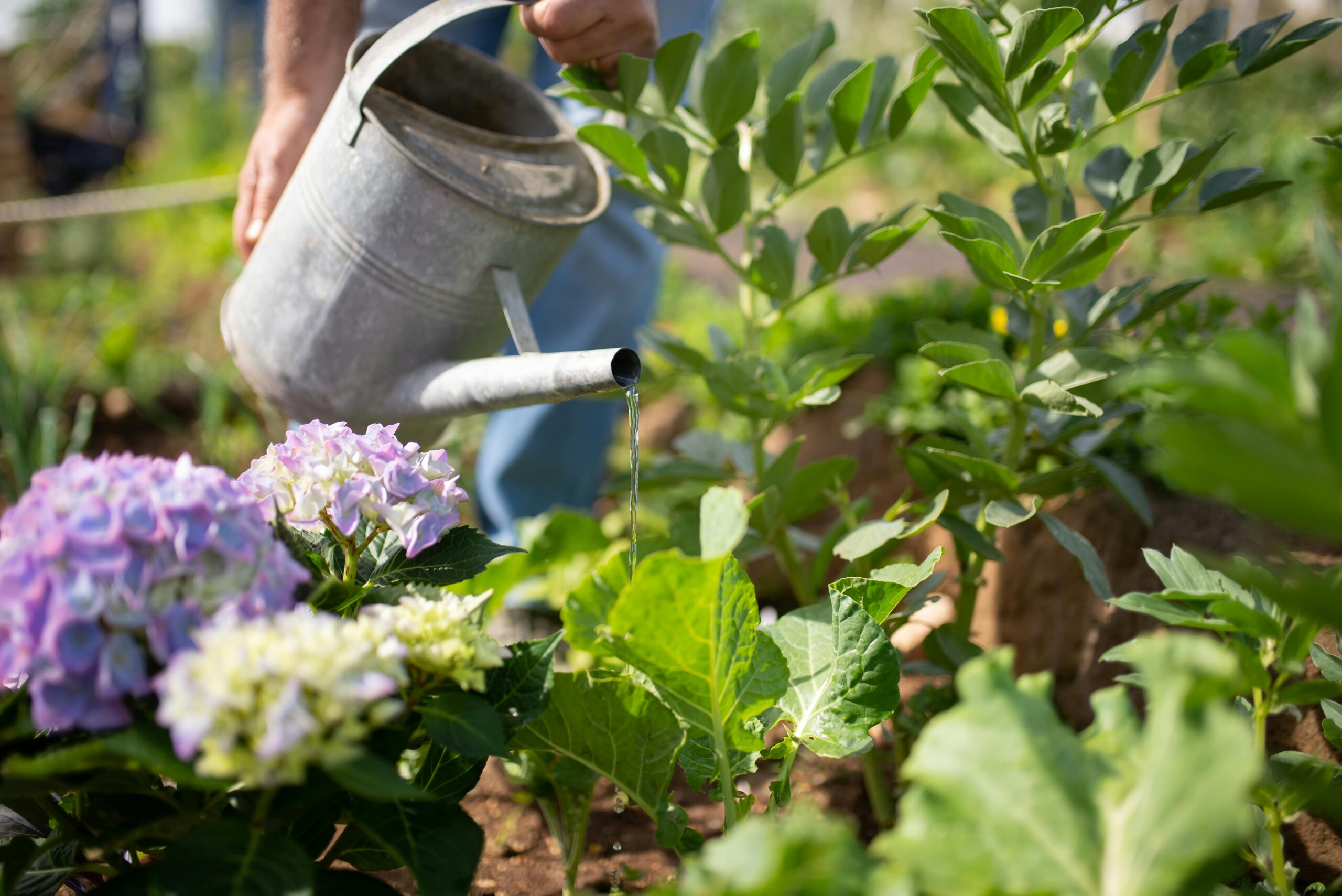
Mastering optimal watering schedules transforms garden care from overwhelming chore to manageable routine. Deep, infrequent watering builds robust root systems capable of accessing soil moisture reserves during stress periods. This resilience reduces maintenance needs while producing healthier, more vigorous plants that resist pests and diseases naturally.
The investment in proper watering practices pays dividends in reduced water bills, decreased plant replacement costs, and the satisfaction of a truly thriving landscape. Your established garden becomes a sustainable ecosystem requiring minimal intervention while providing maximum beauty and enjoyment throughout the seasons.
Success lies not in rigid adherence to predetermined schedules but in developing observation skills that allow you to read your garden’s needs accurately. With practice, you’ll instinctively know when irrigation is needed, creating a harmonious relationship between gardener, plants, and environmental conditions that produces spectacular results year after year.