Successfully nurturing seedlings from their first vulnerable days into robust, thriving plants requires mastering the delicate art of watering. Understanding proper hydration techniques can mean the difference between a flourishing garden and disappointing losses.

New seedlings represent both incredible potential and extreme vulnerability in your gardening journey. These tiny plants possess limited root systems that cannot yet reach deep into soil for moisture, making them entirely dependent on the care you provide during their critical early development stages. The watering schedule you establish now will directly influence their structural strength, disease resistance, and ultimate productivity throughout their lifecycle.
🌱 Understanding Seedling Water Requirements: The Foundation of Success
Seedlings have dramatically different water needs compared to established plants. Their delicate root systems typically extend only one to two inches below the soil surface, creating a narrow zone where moisture must remain consistently available without becoming waterlogged. This balance represents the primary challenge for gardeners at all experience levels.
The cellular structure of young seedlings contains proportionally more water than mature plants, sometimes comprising up to 95% of their total mass. This high water content supports rapid cell division and expansion but simultaneously makes them extremely susceptible to both dehydration and overwatering damage. Understanding this biological reality helps explain why seedling care requires such attentiveness.
The Critical First Week After Germination
During the initial seven days following emergence, seedlings are at their most vulnerable state. Their cotyledons (seed leaves) are working overtime to produce energy through photosynthesis while the root system frantically establishes itself. During this period, soil moisture should remain consistently damp but never soggy—imagine a well-wrung sponge as your target consistency.
Check moisture levels at least twice daily during this critical window. Insert your finger approximately one inch into the growing medium near the seedling. If it feels dry at this depth, watering is needed. Surface dryness alone doesn’t indicate true moisture levels, as evaporation affects only the top layer.
💧 Creating the Perfect Watering Schedule: Timing is Everything
Establishing a consistent watering routine provides seedlings with predictability that supports optimal growth patterns. However, rigid schedules without environmental consideration can prove counterproductive. Your watering frequency must account for temperature, humidity, container type, growing medium, and plant species.
Most seedlings thrive with morning watering between 6:00 AM and 10:00 AM. This timing allows foliage to dry throughout the day, reducing fungal disease risks while ensuring moisture availability during peak photosynthetic hours. Evening watering, while sometimes necessary in extremely hot conditions, should generally be avoided as it keeps plants damp overnight when fungal pathogens are most active.
Frequency Guidelines by Growth Stage
Week one through two: Water once or twice daily with light applications, keeping the top inch consistently moist. Use a fine mist or gentle stream to avoid disturbing delicate stems and displacing seeds that haven’t fully anchored.
Week three through four: Transition to once-daily watering as root systems develop. The top half-inch of soil can now dry slightly between waterings, encouraging roots to grow deeper in search of moisture. This controlled stress builds stronger, more resilient plants.
Week five onward: Most seedlings can handle watering every other day or even less frequently, depending on environmental conditions. The growing medium should dry to approximately one inch deep before rewatering. This schedule promotes robust root development and prevents dependency on constant moisture.
🌡️ Environmental Factors That Influence Watering Needs
Temperature dramatically affects how quickly growing medium dries and how much water seedlings transpire through their leaves. Higher temperatures accelerate both processes, potentially requiring additional watering sessions. Seedlings growing in 75-80°F environments may need twice the water of those at 65-70°F.
Humidity levels create equally significant impacts. In arid climates or heated indoor spaces with relative humidity below 40%, seedlings lose moisture rapidly through transpiration. Conversely, environments with 60%+ humidity retain moisture longer, reducing watering frequency requirements.
Container Materials and Drainage Considerations
The vessels housing your seedlings profoundly influence moisture retention. Plastic containers hold water significantly longer than terracotta or fabric pots, which allow evaporation through their sides. Adjust your schedule accordingly—plastic may require watering every 2-3 days while terracotta demands daily attention.
Drainage holes are non-negotiable for seedling health. Without proper drainage, even perfectly timed watering leads to waterlogged conditions that suffocate roots and promote damping-off disease. Ensure every container has multiple drainage holes and always use trays underneath to protect surfaces while allowing excess water to escape.
🔍 Recognizing the Signs: When Seedlings Need Water
Learning to read your seedlings’ signals transforms watering from guesswork into responsive care. Plants communicate their needs clearly once you understand their language. Visual and tactile cues provide reliable indicators of moisture status.
Underwatered seedlings display several distinct symptoms. Leaves may appear dull rather than vibrant, with slight wilting during the warmest part of the day. The growing medium pulls away from container edges, and soil feels dusty or hard when touched. Stems may lose their rigid structure, appearing slightly bent or droopy.
Overwatered seedlings show equally distinctive signs, though often confused with other problems. Lower leaves turn yellow while remaining attached, and stems may appear water-soaked or translucent near the soil line. The growing medium remains perpetually soggy, possibly developing a sour smell. Fungus gnats frequently appear around overwatered containers, attracted to the consistently moist environment.
The Lift Test Method
Experienced growers often use container weight as their primary watering indicator. Lift each container immediately after watering to learn its “saturated weight,” then check daily to feel the difference as moisture depletes. This kinesthetic feedback becomes second nature with practice, allowing quick assessments of dozens of containers efficiently.
💦 Watering Techniques That Protect Delicate Seedlings
How you deliver water matters as much as when and how much. Improper application techniques can damage tender stems, displace growing medium, expose roots, or encourage fungal diseases even when moisture levels are appropriate.
Bottom watering provides the gentlest method for young seedlings. Place containers in trays filled with one to two inches of water, allowing capillary action to draw moisture upward through drainage holes. This approach delivers water directly to roots while keeping foliage completely dry. Remove containers after 15-30 minutes once the soil surface appears moist.
When top watering proves necessary, use equipment that disperses water gently. Watering cans with fine rose attachments, spray bottles set to stream rather than mist, or specialized seedling watering bulbs all work well. Direct water toward the soil rather than plant foliage, applying slowly to allow absorption without runoff.
Water Quality Considerations
Water source quality significantly impacts seedling health. Chlorinated tap water, while generally safe, benefits from sitting overnight in an open container to allow chlorine evaporation. Chloramine-treated water requires longer off-gassing or filtration, as this compound doesn’t evaporate readily.
Temperature matters considerably—water that’s too cold shocks delicate roots and slows growth. Aim for room temperature water between 65-75°F. Fill watering containers the night before use, allowing both temperature equilibration and chlorine dissipation simultaneously.
🌿 Species-Specific Watering Requirements
While general guidelines apply broadly, different plant species have evolved varying moisture preferences that should inform your watering approach. Understanding these distinctions prevents both under and overwatering scenarios.
Vegetable seedlings like tomatoes, peppers, and cucumbers prefer consistently moist soil that never fully dries. These thirsty plants benefit from more frequent watering, especially as they develop true leaves and accelerate growth rates. Their larger leaf surface area increases transpiration demands.
Herb seedlings such as basil, cilantro, and parsley also appreciate consistent moisture, though slightly less than fruiting vegetables. Allow the top quarter-inch to dry between waterings to prevent fungal issues while maintaining adequate hydration.
Succulent seedlings, including various cacti and drought-adapted ornamentals, require dramatically different care. These species evolved water-storage capabilities that make them extremely susceptible to overwatering. Allow growing medium to dry completely between waterings, then water thoroughly when needed.
📊 Tracking Moisture: Tools and Technology for Precision Care
While experienced gardeners develop intuitive understanding through observation, various tools can provide objective moisture data that supports optimal watering decisions, especially for beginners.
Moisture meters offer instant readings of soil water content at various depths. Insert the probe to root level for accurate readings rather than surface measurements. These inexpensive devices remove guesswork, though quality varies significantly between models—invest in reputable brands for reliable results.
Digital hygrometers measure ambient humidity, helping you understand environmental drying rates. When humidity drops below 40%, increase watering vigilance. Above 60%, extend intervals between waterings to prevent overhydration.
Smart Watering Solutions
Technology increasingly offers automated solutions for seedling watering. Self-watering containers with built-in reservoirs provide consistent moisture through wicking systems, though they require careful initial setup to prevent overhydration. These work exceptionally well once seedlings establish substantial root systems but may overwhelm tiny seedlings.
Automated drip irrigation systems with timers can maintain perfect consistency for larger seedling operations. Adjustable emitters deliver precise water quantities at scheduled intervals, freeing you from manual watering while ensuring reliability.
🚫 Common Watering Mistakes and How to Avoid Them
Even dedicated gardeners fall into predictable watering pitfalls that compromise seedling health. Recognizing these common errors helps you avoid repeating them in your growing journey.
Watering on a rigid calendar schedule regardless of actual plant needs represents the most frequent mistake. Plants don’t recognize calendars—their requirements fluctuate with weather, growth rates, and environmental conditions. Always assess actual moisture levels rather than assuming needs based on yesterday’s schedule.
Applying too much water at once, creating runoff before the growing medium fully absorbs moisture, wastes water and leaches nutrients. Water slowly, allowing absorption between applications. If runoff occurs, pause and return in 15 minutes to continue watering.
Neglecting drainage adequacy causes countless seedling deaths. Even perfect watering frequency cannot overcome inadequate drainage. Roots need both water and air—waterlogged conditions exclude oxygen, literally suffocating plants despite abundant moisture.
The Damping-Off Disease Connection
Overwatering creates ideal conditions for damping-off, a devastating fungal disease that kills seedlings overnight. Affected plants collapse at the soil line as if severed, with stems appearing water-soaked and discolored. Prevention through proper watering practices and good air circulation proves far more effective than attempting treatment after infection occurs.
🌞 Transitioning Seedlings: Preparing for Life Beyond Controlled Environments
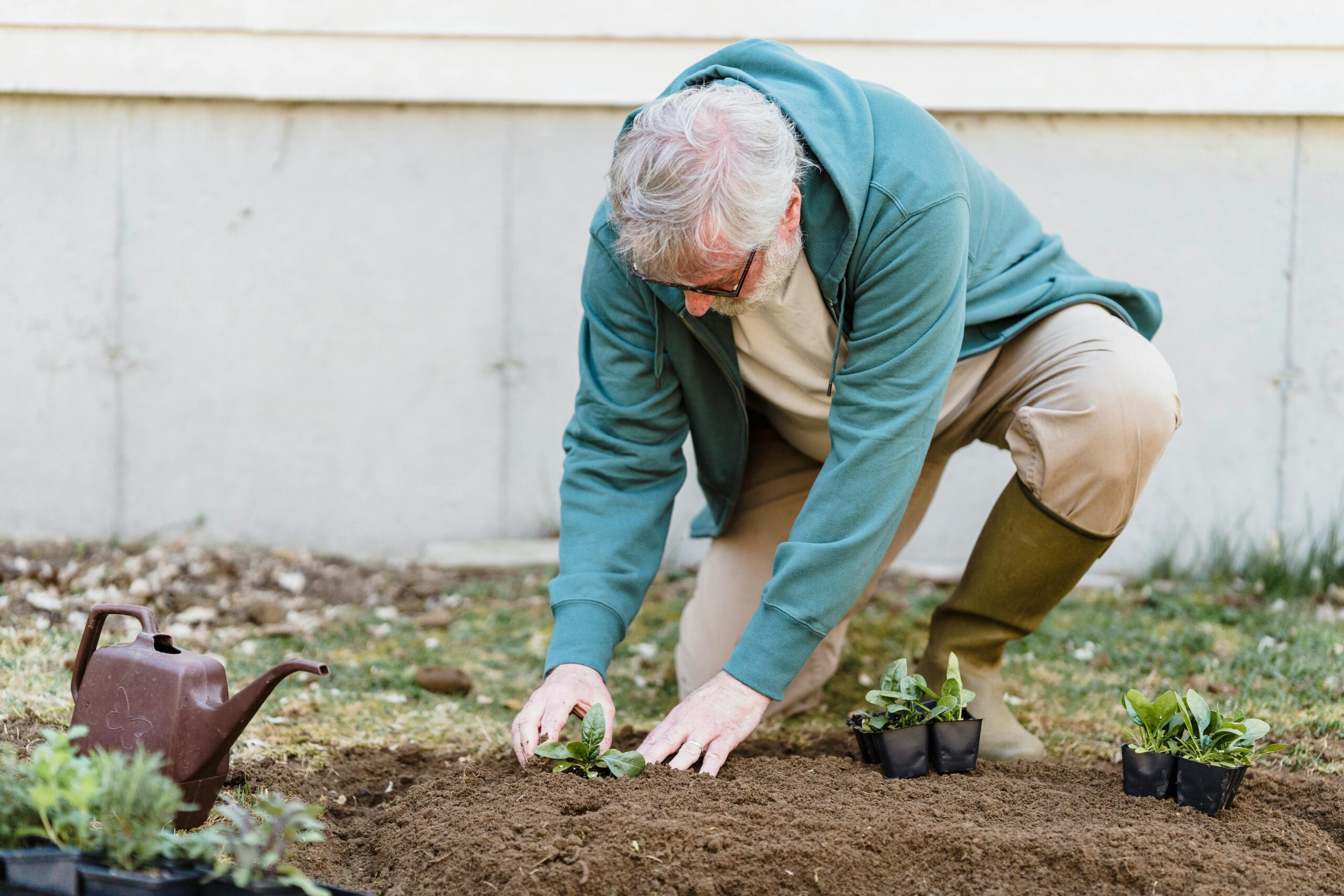
As seedlings mature toward transplanting, gradually adjust watering practices to prepare them for less-controlled outdoor conditions. This hardening-off process should include moisture considerations alongside temperature and light acclimation.
Begin extending time between waterings during the final two weeks before transplanting. Allow the top inch of growing medium to dry more completely, encouraging deeper root exploration. This controlled stress builds drought tolerance that serves plants well after transplanting when they may experience temporary water stress during root establishment.
Reduce watering frequency slightly but never compromise total water volume when you do irrigate. The goal is building resilience through intermittent mild stress, not damaging plants through severe dehydration. Plants should never wilt during this conditioning period.
✨ Your Path to Seedling Watering Mastery
Developing perfect watering instincts requires observation, patience, and willingness to learn from both successes and setbacks. Each growing season adds layers to your understanding as you encounter different conditions and plant responses.
Start keeping a simple watering journal that notes dates, amounts, environmental conditions, and plant responses. Patterns emerge over time that inform future decisions. Photograph seedlings weekly to document growth rates under different moisture regimes, building visual reference material for comparison.
Remember that slight underwatering proves less harmful than overwatering for most species. When in doubt, wait another few hours before watering. Seedlings can recover from minor wilting much more readily than from root rot caused by excess moisture.
The investment you make now in mastering seedling hydration pays dividends throughout the entire growing season. Strong, healthy seedlings with robust root systems and sturdy stems overcome transplant shock more successfully, resist diseases more effectively, and ultimately produce more abundantly. Your attention to these critical early watering decisions creates the foundation for gardening success that extends far beyond these first vulnerable weeks. With practice and attentiveness, you’ll develop an intuitive sense for exactly what your seedlings need, when they need it, transforming watering from a source of anxiety into a satisfying ritual of nurturing growth.