Coastal climates offer unique opportunities for agriculture, combining moderate temperatures, abundant moisture, and distinct growing conditions. These maritime environments create ideal circumstances for cultivating diverse crops that thrive in salt-tinged air and stable weather patterns.

Understanding the relationship between ocean proximity and agricultural success requires knowledge of both environmental challenges and advantages. Coastal regions typically experience milder winters, cooler summers, and higher humidity levels than inland areas, creating microclimates that support specialized crop production year-round.
🌊 Understanding the Coastal Growing Environment
Coastal climates present a fascinating blend of benefits and obstacles for farmers and gardeners. The ocean acts as a massive temperature regulator, preventing extreme heat in summer and severe cold in winter. This maritime influence extends several miles inland, creating zones where tender plants can survive conditions that would be impossible just a short distance away.
Salt spray, however, remains one of the primary challenges in seaside agriculture. Sodium chloride particles carried by ocean winds can accumulate on plant leaves, interfering with photosynthesis and causing leaf burn. The salt also infiltrates soil over time, affecting its structure and chemical composition. Successful coastal growers must select salt-tolerant species or implement protective strategies like windbreaks and strategic positioning.
Wind represents another significant factor in coastal regions. Constant breezes from the ocean can desiccate plants, damage delicate foliage, and stunt growth. Yet this same airflow provides excellent disease prevention by reducing humidity around plant surfaces and preventing fungal growth that plagues more sheltered growing areas.
Soil Characteristics in Maritime Regions
Coastal soils vary dramatically depending on geological history and proximity to the shoreline. Sandy soils dominate many beach areas, offering excellent drainage but poor nutrient retention. These light soils warm quickly in spring, allowing earlier planting, but require frequent fertilization and irrigation during dry periods.
Clay-rich soils appear in estuarine regions and former wetlands, holding moisture and nutrients effectively but presenting drainage challenges. Successful coastal cultivation often requires soil amendment with organic matter to improve structure, whether loosening clay or binding sandy particles together for better water and nutrient retention.
🥬 Vegetable Varieties That Excel by the Shore
Certain vegetables demonstrate remarkable adaptability to coastal conditions, producing abundant harvests with minimal intervention. These crops tolerate salt exposure, embrace moderate temperatures, and resist wind damage better than their inland counterparts.
Leafy Greens and Brassicas
Lettuce, spinach, kale, and chard thrive in coastal gardens, appreciating the cool, moist conditions that might cause stress to heat-loving crops. The moderate temperatures prevent premature bolting, extending the harvest window significantly. Many coastal growers achieve year-round production of salad greens through succession planting.
Cabbage, broccoli, cauliflower, and Brussels sprouts perform exceptionally well in maritime climates. These cool-season crops actually develop better flavor when grown in moderate coastal temperatures rather than experiencing the temperature swings common inland. The constant moisture helps these vegetables develop crisp texture and reduces the bitterness sometimes found in stressed plants.
Root Vegetables for Sandy Shores
Carrots, beets, radishes, and turnips excel in the well-drained sandy soils typical of coastal areas. These root crops appreciate the loose soil structure that allows easy expansion and produces straighter, more uniform vegetables. The consistent moisture levels prevent cracking and splitting that occurs with irregular watering.
Potatoes adapt well to coastal conditions, particularly in regions with cool summers. The moderate temperatures promote steady tuber development without the heat stress that can reduce yields. Early-season varieties work particularly well, maturing before late summer when coastal fog may increase disease pressure.
🍓 Fruit Production in Coastal Gardens
Coastal regions support exceptional fruit production for species that appreciate mild winters and cool summers. The extended growing season and moderate temperatures allow fruits to develop complex flavors while maintaining crisp textures.
Berry Bounty by the Beach
Strawberries achieve legendary status in coastal agriculture, with famous growing regions like California’s Central Coast producing world-class berries. The cool nights and mild days create ideal conditions for flavor development and continuous production. Day-neutral varieties enable harvests from spring through fall in many maritime locations.
Blueberries thrive in acidic coastal soils, particularly where marine fog provides consistent moisture. These shrubs tolerate salt exposure better than many fruit crops and produce abundantly when properly established. Northern highbush varieties suit most coastal climates, while southern highbush types work well in warmer maritime zones.
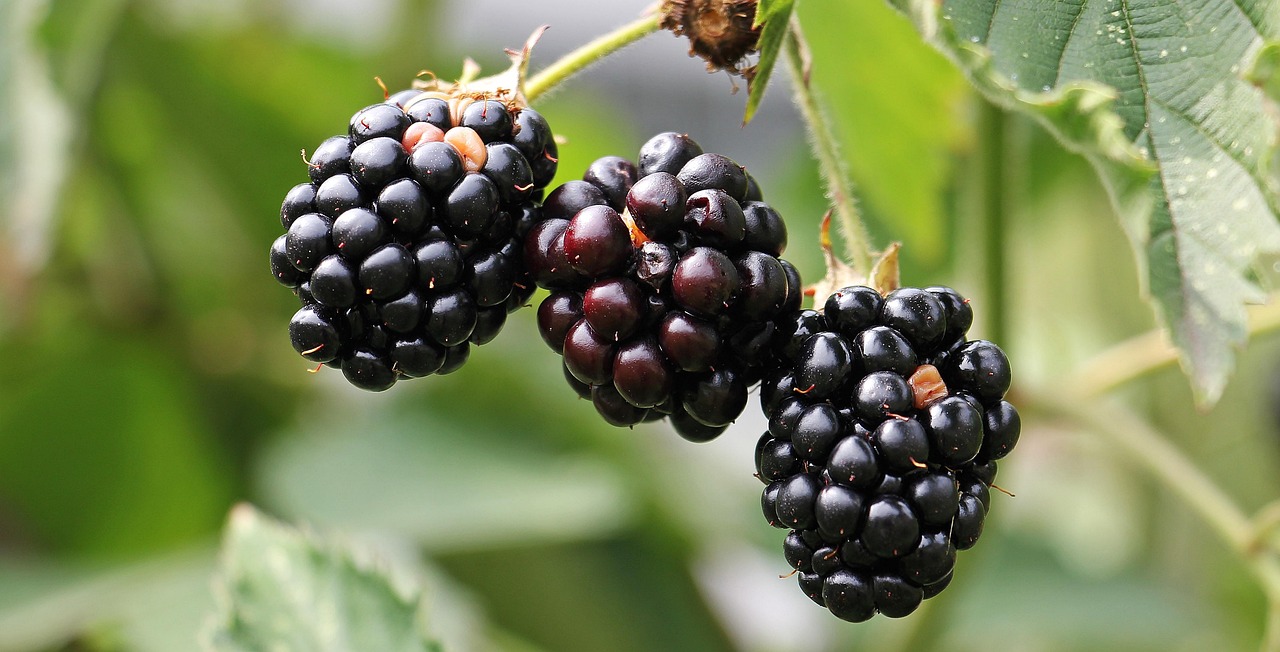
Raspberries and blackberries grow vigorously in coastal conditions, sometimes requiring management to prevent invasive spreading. The moderate temperatures produce superior berry quality compared to inland regions where heat can make fruits soft and reduce flavor intensity.
Tree Fruits for Maritime Microclimates
Apple varieties requiring fewer chill hours excel in coastal regions where winters remain mild. Disease-resistant cultivars work best, as the humidity can promote fungal infections in susceptible types. Strategic pruning for airflow and proper spacing help prevent common apple diseases.
Pears adapt even better than apples to coastal conditions, with European varieties tolerating the cool, moist growing season. Asian pears also perform well, producing crisp, juicy fruits with excellent storage qualities. Fire blight resistance becomes essential when selecting pear varieties for maritime locations.
Figs flourish in protected coastal microclimates, particularly along walls or near buildings that provide warmth and shelter from wind. These Mediterranean natives appreciate the mild winters and extended growing season, often producing two crops annually in favorable locations.
🌿 Herbs and Aromatics That Love the Sea Breeze
Mediterranean herbs show remarkable success in coastal gardens, as their native habitat shares many characteristics with maritime climates. These aromatic plants evolved in seaside environments and actually prefer the conditions that challenge other crops.
Rosemary grows almost carelessly in coastal regions, forming substantial shrubs that tolerate salt spray and drought once established. The mild winters prevent the cold damage common in continental climates, allowing rosemary to develop into impressive specimens over time.
Lavender thrives in well-drained coastal soils, producing abundant flowers with intense fragrance. The sea breeze promotes excellent oil production in the foliage, making coastal-grown lavender particularly desirable for culinary and aromatic uses. English lavenders suit cooler coastal zones, while French and Spanish types prefer warmer maritime areas.
Thyme, oregano, sage, and marjoram establish quickly and spread reliably in coastal gardens. These low-growing herbs tolerate wind exposure better than taller plants and actually develop more concentrated flavors when grown in the challenging coastal environment. Their drought tolerance makes them ideal for sandy soils that dry quickly.
🌻 Ornamental Plants for Coastal Beauty
Creating visually stunning landscapes in coastal areas requires selecting plants that tolerate salt, wind, and sandy soils while providing aesthetic appeal. Many ornamentals native to coastal regions worldwide adapt readily to seaside gardens.
Flowering Perennials
Sea thrift (Armeria maritima) grows naturally on coastal cliffs, forming compact mounds topped with globe-shaped pink flowers. This tough perennial tolerates extreme salt exposure and requires minimal maintenance once established. It works beautifully in rock gardens and as edging along paths.
Coreopsis varieties bring cheerful yellow blooms to coastal gardens, flowering prolifically from late spring through fall. These North American natives tolerate sandy soils and drought while attracting beneficial pollinators. Deadheading extends the blooming period significantly.
Echinacea (coneflowers) adapt well to coastal conditions, providing bold color and attracting butterflies throughout summer. These prairie natives tolerate salt spray better than expected and thrive in the well-drained soils typical of seaside locations.
Ornamental Grasses
Miscanthus varieties create dramatic effects in coastal landscapes, with tall plumes dancing in sea breezes. These grasses tolerate salt exposure and wind while providing privacy screening and winter interest. ‘Morning Light’ and ‘Gracillimus’ suit smaller gardens, while larger varieties create stunning focal points.
Panicum (switchgrass) offers native alternatives with excellent salt tolerance and drought resistance. These grasses provide airy texture and movement while supporting local wildlife. They turn beautiful bronze colors in fall, extending seasonal interest.
💧 Irrigation Strategies for Coastal Cultivation
While coastal regions typically receive adequate rainfall, the sandy soils and constant winds can create surprisingly dry conditions during summer months. Effective irrigation management balances water conservation with crop needs.
Drip irrigation systems work exceptionally well in coastal gardens, delivering water directly to root zones while minimizing evaporation losses. These systems also prevent water from contacting foliage, reducing disease pressure in humid coastal environments. Installing timers ensures consistent watering during dry spells.
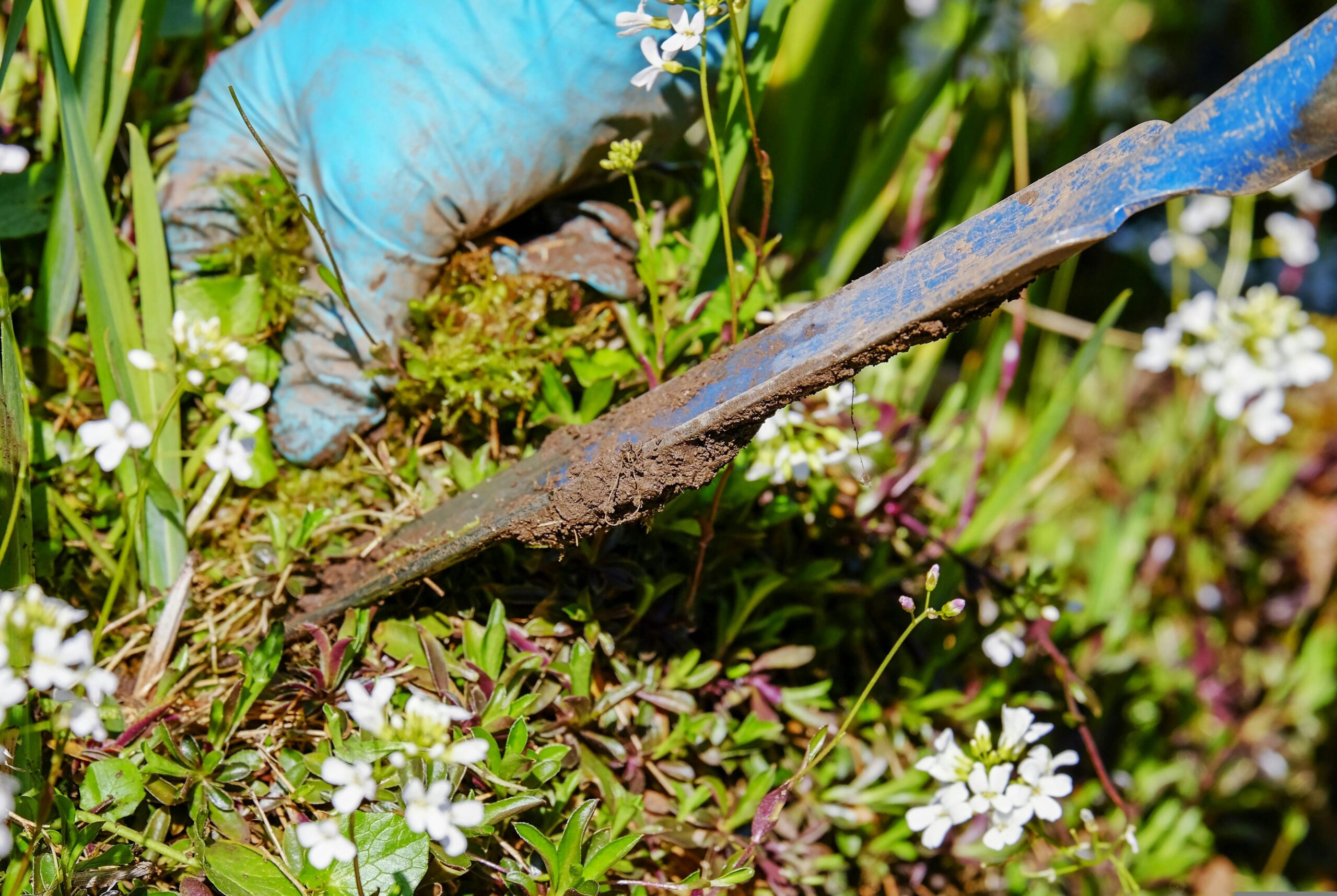
Mulching becomes essential for moisture retention in sandy coastal soils. Organic mulches like compost, aged bark, or straw improve soil structure over time while reducing evaporation and suppressing weeds. Apply mulch layers 3-4 inches deep, keeping material away from plant stems to prevent rot.
Rainwater harvesting maximizes sustainability in coastal gardens. Installing collection barrels on downspouts provides supplemental irrigation during dry periods while reducing municipal water usage. The slightly acidic nature of rainwater actually benefits many coastal crops, particularly acid-loving plants like blueberries.
🛡️ Protection Strategies Against Salt and Wind
Creating successful coastal gardens often requires implementing protective measures that moderate harsh environmental conditions without completely eliminating beneficial ocean influences.
Windbreak Installation
Establishing windbreaks represents one of the most effective strategies for coastal gardening success. Living windbreaks using salt-tolerant shrubs and trees create sheltered microclimates while adding aesthetic value. Effective windbreaks filter wind rather than blocking it completely, reducing turbulence that can damage plants.
Pittosporum, escallonia, and olearia species create excellent evergreen windbreaks in mild coastal climates. These shrubs tolerate salt spray and wind while providing year-round screening. Plant windbreaks perpendicular to prevailing winds for maximum protection.
Temporary windbreaks using fabric screens or bamboo fencing protect young plantings until permanent vegetation establishes. Position these barriers to reduce wind speed without creating air pockets where salt concentrates.
Soil Management for Salt Tolerance
Regular organic matter additions help coastal soils manage salt accumulation. Compost and aged manure improve soil structure and microbial activity, helping break down salt compounds and flush them deeper into the soil profile. Annual applications of 2-3 inches of compost dramatically improve coastal soil quality.
Occasional deep watering leaches accumulated salts below the root zone, particularly important after storm events that deposit heavy salt loads. This practice works best in well-drained sandy soils where excess water moves quickly through the profile.
🌱 Season Extension Techniques
The moderate temperatures in coastal regions enable extended growing seasons through simple protection methods. Crops that would struggle inland during shoulder seasons often thrive with minimal intervention in maritime climates.
Row covers provide frost protection during occasional cold snaps while allowing light and moisture penetration. These lightweight fabrics extend seasons for tender crops like tomatoes and peppers by several weeks in both spring and fall. Remove covers during warm periods to prevent overheating.
Cold frames and hoop houses create productive microclimates for year-round vegetable production. The coastal environment’s moderate temperatures mean these structures rarely require heating, using solar gain effectively to maintain growing conditions even during winter months.
🐝 Supporting Pollinators and Beneficial Insects
Coastal gardens benefit enormously from establishing populations of beneficial insects that control pests and pollinate crops. The maritime environment supports diverse insect communities when provided appropriate habitat.
Planting native wildflowers creates corridors that support bees, butterflies, and beneficial predatory insects. Species like seaside goldenrod, beach aster, and coastal buckwheat provide nectar sources throughout the growing season while requiring minimal maintenance.
Allowing some herbs to flower attracts parasitic wasps and predatory beetles that control aphids, caterpillars, and other pests. Dill, fennel, and cilantro flowers prove particularly attractive to beneficial insects while adding visual interest to vegetable gardens.
📅 Planting Timelines for Coastal Success
Understanding the unique seasonal patterns in coastal climates enables optimal planting timing for maximum yields. The moderate climate allows flexibility that inland gardeners rarely enjoy.
Spring planting often begins earlier in coastal zones than inland areas, as soils warm quickly and frost danger passes sooner. Cool-season crops like peas, lettuce, and brassicas can go in the ground 4-6 weeks earlier than traditional planting dates.
Fall gardening extends later into the season, with many crops producing until hard freezes arrive—which may not occur at all in mild maritime climates. Second plantings of lettuce, spinach, and root vegetables in late summer provide fresh harvests throughout fall and winter.
Succession planting works particularly well in coastal gardens, where moderate temperatures allow continuous production rather than single large harvests. Planting small amounts of fast-maturing crops every 2-3 weeks maintains steady supplies without overwhelming harvests.
🌾 Building Soil Health in Sandy Coastal Environments
Long-term success in coastal agriculture depends on continuously improving soil quality through organic matter additions and sustainable practices. Sandy soils respond dramatically to consistent management, developing fertility and structure over time.
Cover cropping during off-seasons adds organic matter while preventing erosion. Winter rye, crimson clover, and field peas work well in coastal regions, tolerating the cool, moist winters while building soil structure. Turn cover crops under 2-3 weeks before planting to allow decomposition.
Composting yard waste and kitchen scraps creates valuable soil amendments perfectly suited to local conditions. Finished compost improves water retention in sandy soils while providing slow-release nutrients that support plant growth without leaching into groundwater.
🎯 Maximizing Your Coastal Garden’s Potential
Success in coastal agriculture comes from embracing the unique characteristics of maritime environments rather than fighting against them. The crops that naturally thrive by the sea often produce superior quality compared to their inland counterparts, developing intense flavors and excellent textures.
Observing what grows successfully in your immediate neighborhood provides valuable guidance for crop selection. Local farmers markets showcase what thrives in your specific microclimate, offering inspiration and proven varieties. Connecting with local gardening groups shares accumulated wisdom about timing, varieties, and techniques specific to your coastal zone.
Experimentation remains key to discovering what works best on your particular site. Coastal conditions vary significantly based on exact distance from shore, elevation, wind exposure, and local topography. Keeping records of planting dates, varieties, and results builds knowledge that improves outcomes year after year.
The rewards of coastal gardening extend beyond harvests to include the satisfaction of working with nature’s rhythms in a spectacular setting. The same ocean breezes that challenge crops also moderate temperatures, prevent pest explosions, and create the conditions that make seaside agriculture uniquely productive. With thoughtful crop selection and appropriate management strategies, coastal gardens produce bountiful harvests while celebrating the beauty of life beside the sea.