Growing food in scorching temperatures might seem daunting, but it’s entirely possible with the right knowledge and crop selection. Hot climates offer unique advantages for gardeners willing to embrace the heat and work with nature’s rhythms.

Whether you’re living in the desert Southwest, tropical regions, or experiencing increasingly warmer summers, understanding which crops thrive in heat is essential for gardening success. This comprehensive guide will walk you through everything you need to know about cultivating a productive garden when temperatures soar, from selecting heat-loving plants to implementing smart watering strategies that conserve resources while keeping your crops healthy and productive.
🌡️ Understanding Your Hot Climate Garden Environment
Before diving into specific crops, it’s crucial to understand what defines a hot climate and how it affects plant growth. Hot climates typically experience daytime temperatures consistently above 85°F (29°C), with many regions reaching well over 100°F (38°C) during peak summer months.
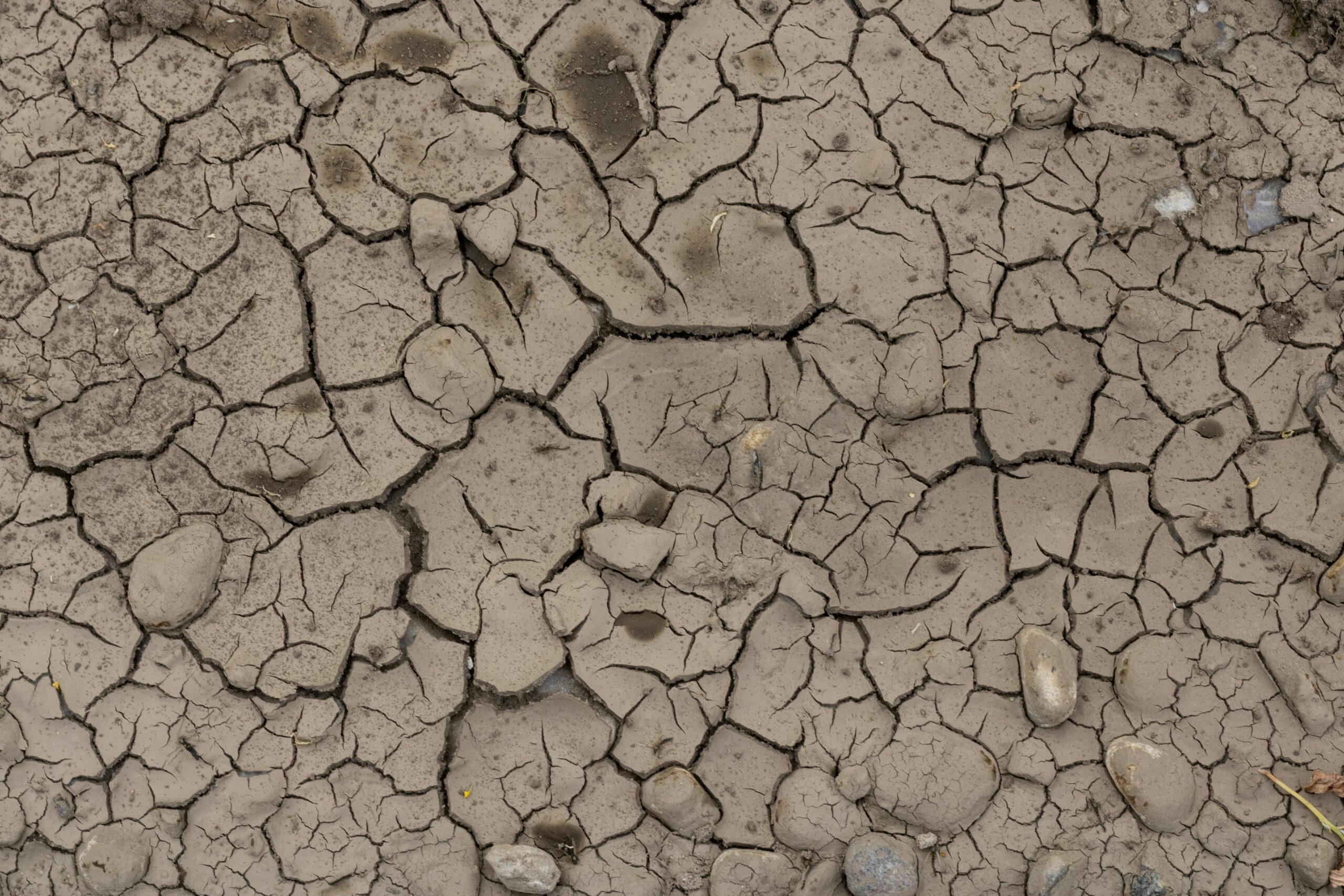
These conditions create unique challenges including rapid soil moisture evaporation, increased pest pressure, and potential heat stress on plants. However, many crops have evolved specifically to handle these conditions, and some actually perform better in heat than their cool-season counterparts.
The key to success lies in recognizing that not all hot climates are identical. Dry desert heat requires different strategies than humid tropical conditions. Coastal areas with hot temperatures but ocean breezes need alternative approaches compared to inland valleys with still, intense heat.
Top Vegetable Crops That Love the Heat 🌶️
When temperatures rise, these vegetables truly shine in the garden. They’ve adapted to handle intense sun, high temperatures, and often require warmth to produce their best yields.
Tomatoes: The Heat-Loving Superstars
Tomatoes are quintessential hot-weather crops that produce abundantly when temperatures stay warm. While they can struggle in extreme heat above 95°F when it comes to fruit setting, most varieties thrive in consistently warm conditions between 70-85°F.
For hot climates, consider heat-resistant varieties like Phoenix, Heatwave II, Surefire, and Sun Master. These cultivars have been specifically bred to maintain fruit production even when temperatures climb. Cherry tomatoes generally handle heat better than large beefsteak varieties, making them excellent choices for beginners in hot regions.
Peppers: Built for Blazing Temperatures
Perhaps no vegetable loves heat quite like peppers. From sweet bells to fiery habaneros, peppers actually require warm soil and air temperatures to germinate and grow successfully. They thrive in temperatures between 70-90°F and can tolerate even hotter conditions with adequate water.
Hot climate gardeners should explore varieties like jalapeños, serranos, Thai chilies, and banana peppers. These plants not only tolerate heat but often develop more intense flavors when grown in warm conditions. The capsaicin that gives peppers their heat actually increases with warmer growing temperatures.
Eggplant: The Glossy Heat Champion
Eggplants are tropical perennials grown as annuals in most climates, making them perfectly suited for hot weather gardening. They require consistently warm temperatures and won’t produce well if nights drop below 55°F.
For hot climates, varieties like Black Beauty, Ichiban, and Rosa Bianca perform exceptionally well. Eggplants appreciate full sun and warm soil, making them ideal companions for peppers and tomatoes in hot-weather garden beds.
Heat-Tolerant Leafy Greens and Herbs 🌿
While many leafy greens prefer cooler temperatures, several varieties have been developed to withstand heat without bolting immediately or turning bitter.
Summer Lettuce Varieties
Traditional lettuce bolts quickly in heat, but newer heat-tolerant varieties like Jericho, Nevada, and Concept can extend your salad season even in warm weather. These varieties resist bolting and maintain better flavor when temperatures rise.
For best results with summer lettuce, provide afternoon shade and ensure consistent moisture. Growing lettuce in containers that can be moved to shadier spots during the hottest part of the day can dramatically improve success rates.
Swiss Chard: The Reliable Producer
Swiss chard stands out as one of the most heat-tolerant leafy greens available. This nutritious vegetable produces abundantly throughout summer, offering colorful stems and tender leaves even when temperatures soar.
Varieties like Bright Lights and Fordhook Giant handle heat exceptionally well while providing stunning visual appeal in the garden. Harvest outer leaves regularly to encourage continuous production throughout the growing season.
Herbs That Thrive in the Heat
Many Mediterranean herbs are perfectly adapted to hot, dry conditions. Basil, oregano, rosemary, thyme, and sage all flourish when temperatures climb. Basil, in particular, loves heat and will produce massive amounts of fragrant leaves with adequate water and full sun.
Consider planting multiple basil varieties including Thai basil, lemon basil, and holy basil for diverse flavors and continuous harvests. These herbs often struggle in cool weather but explode with growth once summer heat arrives.
🥒 Cucurbits: Summer Squash and Melons
The cucurbit family includes some of the most productive hot-weather crops available to home gardeners. These vigorous growers need warmth and sun to reach their full potential.
Summer Squash and Zucchini
These prolific producers thrive in hot weather and can overwhelm gardeners with their abundant harvests. Zucchini, yellow crookneck, and pattypan squash all love heat and produce continuously when temperatures stay warm.
For hot climates, ensure these plants receive deep watering and consider providing afternoon shade during extreme heat waves above 100°F. Harvest fruits when young and tender for the best flavor and to encourage continued production.
Melons: Sweet Rewards of Summer Heat
Watermelons, cantaloupes, and honeydew melons all require extended periods of warm weather to develop their characteristic sweetness. These crops actually need heat to produce quality fruit, making them perfect for hot climate gardens.
Choose varieties with shorter maturity dates if your extreme heat season is limited. Sugar Baby watermelon and Minnesota Midget cantaloupe are excellent compact varieties that mature quickly while still delivering delicious flavor.
Smart Watering Strategies for Hot Climate Success 💧
Water management becomes critical when gardening in hot climates. Plants transpire moisture rapidly in heat, and soil dries out quickly, making efficient irrigation essential for success.
Drip irrigation systems deliver water directly to plant roots while minimizing evaporation loss. This method proves far more efficient than overhead sprinklers in hot climates and helps prevent foliar diseases that can develop when leaves stay wet.
Water deeply but less frequently to encourage deep root development. Shallow, frequent watering creates plants with surface roots that struggle during heat waves. Aim for 1-2 inches of water per week, delivered in one or two deep soaking sessions rather than daily light sprinklings.
Timing matters significantly in hot climates. Water during early morning hours when temperatures are coolest and wind is typically calm. This allows maximum water absorption before heat increases evaporation rates. Avoid evening watering in humid climates, as it can promote fungal diseases.
Soil Management and Mulching Techniques 🌱
Healthy soil forms the foundation of successful hot-climate gardening. Heat stresses both plants and soil microorganisms, making soil health even more critical in warm regions.
Incorporate generous amounts of organic matter like compost into garden beds before planting. This improves soil structure, increases water retention, and provides slow-release nutrients throughout the growing season. In hot climates, organic matter breaks down more quickly, so plan to add it regularly.
Mulching proves absolutely essential for hot-climate gardens. A 3-4 inch layer of organic mulch like straw, wood chips, or shredded leaves dramatically reduces soil temperature, conserves moisture, suppresses weeds, and adds organic matter as it decomposes.
Apply mulch around plants but keep it a few inches away from stems to prevent rot. Replenish mulch as it breaks down throughout the season. In extreme heat, some gardeners use shade cloth suspended above beds to reduce intense sun exposure while still allowing air circulation.
🌤️ Providing Strategic Shade Protection
Even heat-loving crops can benefit from strategic shade during the most intense afternoon sun, particularly when temperatures exceed 100°F. Providing temporary shade can prevent sunscald on fruits and reduce plant stress.
Shade cloth comes in various densities, typically ranging from 30% to 90% shade. For most vegetables, 30-50% shade cloth works well, filtering intense rays while allowing adequate light for photosynthesis and growth.
Install shade structures on the west and south sides of gardens where afternoon sun hits hardest. Simple frames made from PVC pipe or wooden posts can support shade cloth and be easily removed when temperatures moderate.
Interplanting offers another shading strategy where taller, heat-tolerant crops like corn or sunflowers provide afternoon shade for more sensitive plants. This companion planting approach mimics natural plant communities and can create more favorable microclimates within your garden.
Timing Your Plantings for Maximum Success ⏰
Understanding planting windows makes a tremendous difference in hot climate gardening. Many regions experience multiple growing seasons, allowing succession planting of warm-season crops.
Start warm-season crops after the last frost when soil temperatures reach appropriate levels. Tomatoes, peppers, and eggplants need soil temperatures above 60°F for optimal growth. Waiting for proper soil warming prevents transplant shock and disease issues.
In regions with extended hot seasons, consider succession planting of quick-maturing crops like beans, squash, and cucumbers every 2-3 weeks for continuous harvests. This strategy also provides insurance against crop failure from pests or weather extremes.
Some hot climates allow fall planting of warm-season crops that mature during milder autumn temperatures. This can actually produce better quality tomatoes and peppers than spring plantings that mature during peak summer heat.
Managing Common Hot Climate Pests and Challenges 🐛
Hot weather tends to accelerate pest reproduction cycles, meaning populations can explode quickly in summer gardens. Spider mites, aphids, and whiteflies all thrive in hot, dry conditions and can devastate crops if left unchecked.
Regular monitoring allows early intervention before pest populations reach damaging levels. Check plants daily, focusing on leaf undersides where many pests congregate. Strong water sprays can dislodge many pests, while insecticidal soaps and neem oil provide organic control options.
Beneficial insects like ladybugs, lacewings, and predatory wasps help control pest populations naturally. Plant flowers like alyssum, marigolds, and zinnias to attract and support these helpful garden allies throughout the growing season.
Heat stress can make plants more susceptible to diseases and pest damage. Maintaining consistent moisture, providing adequate nutrition, and avoiding plant stress through proper care creates resilient plants better able to withstand pest pressure and disease challenges.
Container Gardening in Hot Climates 🪴
Container gardening offers unique advantages in hot climates, providing mobility to move plants to optimal locations as conditions change. However, containers dry out much faster than in-ground beds, requiring more frequent attention.
Choose larger containers that hold more soil volume and retain moisture longer. Light-colored pots reflect heat better than dark containers, keeping roots cooler. Consider double-potting by placing one container inside a slightly larger one with air space between for insulation.
Use high-quality potting mix that retains moisture while draining well. Adding water-retention crystals or vermiculite can help soil stay moist longer between waterings. Group containers together to create humidity and provide mutual shading.
Celebrating Your Hot Climate Harvest Success 🎉
Growing food in hot climates presents unique challenges, but the rewards of harvesting sun-ripened tomatoes, crisp cucumbers, and spicy peppers make every effort worthwhile. By selecting appropriate crops, managing water efficiently, and protecting plants during extreme heat, you can create a thriving garden even when temperatures soar.
Remember that gardening skills develop through experience and observation. Each season teaches valuable lessons about your specific microclimate, soil conditions, and which varieties perform best in your location. Keep notes about what works and what doesn’t to refine your approach each year.
The key to long-term success lies in working with your climate rather than against it. Embrace the heat, choose crops naturally adapted to warm conditions, and implement smart cultural practices that support plant health during challenging weather. With patience and persistence, your hot climate garden will flourish, providing fresh, nutritious produce throughout the growing season and beyond.