Growing herbs at home is one of the most rewarding gardening experiences you can have, bringing fresh flavors and natural remedies right to your kitchen.

Whether you’re a beginner or an experienced gardener, understanding how temperature affects your herbs is crucial for year-round success. Different herbs thrive in different climates, and knowing which ones to plant based on your local temperature conditions can make the difference between a flourishing garden and disappointing results. This comprehensive guide will walk you through everything you need to know about matching herbs with temperature zones, creating the perfect growing environment, and maintaining a productive herb garden regardless of the season.
Understanding Temperature Zones and Your Herb Garden 🌡️
Before diving into specific herbs, it’s essential to understand your local climate and hardiness zone. The USDA Plant Hardiness Zone Map divides regions based on average minimum winter temperatures, ranging from Zone 1 (coldest) to Zone 13 (warmest). Knowing your zone helps you select herbs that will naturally thrive in your area without excessive intervention.
Temperature affects every aspect of herb growth, from germination to flowering. Some herbs are perennials in warm climates but must be grown as annuals in colder regions. Others actually prefer cooler temperatures and may struggle during hot summers. By aligning your herb selections with your climate, you’ll save time, money, and frustration while enjoying abundant harvests.
Cool-Season Herbs: Perfect for Spring and Fall Gardens
Cool-season herbs are champions of moderate temperatures, typically thriving when daytime temperatures range between 60-70°F (15-21°C). These herbs often bolt or become bitter in excessive heat, making them ideal for spring and fall planting in most climates, or year-round cultivation in mild coastal areas.
Parsley: The Versatile Cool-Weather Champion
Parsley (both flat-leaf and curly varieties) is exceptionally tolerant of cool weather and can even withstand light frosts. This biennial herb grows best when temperatures stay between 50-70°F (10-21°C). In hot climates, plant parsley in partial shade to extend its productive period. It’s an excellent choice for winter gardens in zones 8-10, where it will continue producing fresh leaves even during the coldest months.
Cilantro: Quick-Growing Cool Season Favorite
Cilantro is notoriously sensitive to heat, bolting quickly when temperatures exceed 75°F (24°C). This herb absolutely shines in cool weather, making it perfect for early spring and fall gardens. Plant successive crops every two to three weeks during cool seasons to ensure a continuous harvest. In warm climates, grow cilantro exclusively during winter months or in shaded areas with afternoon protection from intense sun.
Chives and Other Alliums for Cold Tolerance
Chives are remarkably cold-hardy perennials that can survive winters down to Zone 3. They prefer temperatures between 60-70°F (15-21°C) but will tolerate both colder and warmer conditions. Chives are among the first herbs to emerge in spring and continue producing through fall. Garlic chives, a related variety, offer similar cold tolerance with a mild garlic flavor that’s perfect for culinary applications.
Warm-Season Herbs: Heat-Loving Favorites 🌞
Warm-season herbs originate from Mediterranean and tropical regions, requiring consistently warm temperatures to thrive. These herbs typically need nighttime temperatures above 50°F (10°C) and daytime temperatures between 70-85°F (21-29°C) for optimal growth. In cooler climates, these herbs are grown as annuals or brought indoors during winter.
Basil: The Quintessential Summer Herb
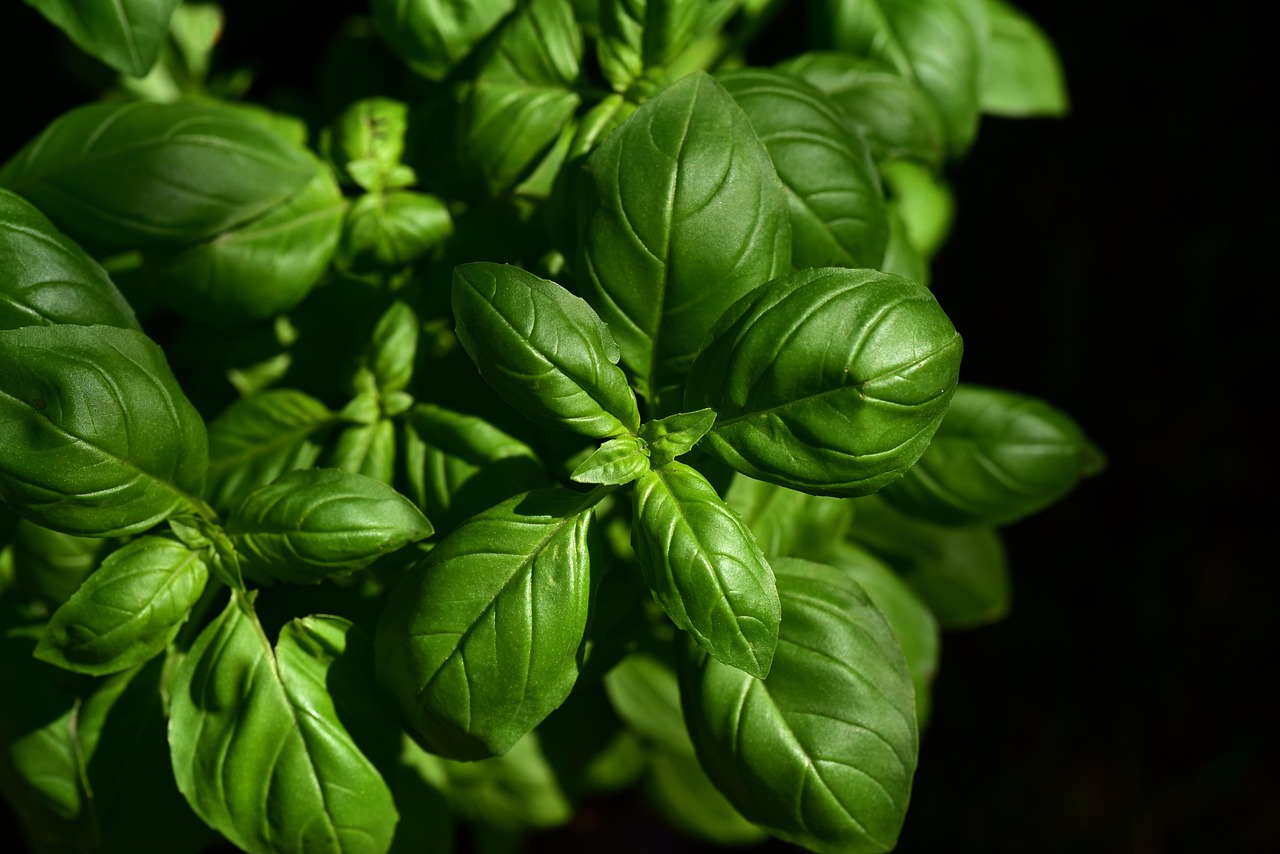
Basil is extremely sensitive to cold and won’t tolerate any frost. Wait until nighttime temperatures consistently stay above 50°F (10°C) before planting basil outdoors. This herb absolutely thrives in heat, with ideal temperatures ranging from 80-90°F (27-32°C). In tropical and subtropical climates, basil can be grown year-round as a perennial. There are numerous varieties, from sweet Genovese to Thai basil, each offering unique flavors for your culinary adventures.
Rosemary: Mediterranean Heat Lover
Rosemary flourishes in warm, dry conditions similar to its native Mediterranean habitat. Hardy in zones 8-10, this perennial herb can survive mild winters but struggles with prolonged freezing temperatures and wet conditions. Rosemary prefers temperatures between 65-85°F (18-29°C) and benefits from excellent drainage. In colder regions, grow rosemary in containers that can be moved indoors during winter, or select cold-hardy varieties like ‘Arp’ or ‘Hill Hardy’ that survive in Zone 6.
Oregano: Robust Heat-Tolerant Perennial
Oregano is a Mediterranean native that loves heat and sunshine. This hardy perennial thrives in zones 5-10, handling both moderate cold and intense summer heat. Oregano actually develops more concentrated flavors in hot, dry conditions. Once established, it’s remarkably drought-tolerant and requires minimal maintenance. Greek oregano offers the most intense flavor, while Italian oregano provides a milder, sweeter taste.
All-Season Herbs: Versatile Performers for Year-Round Gardens
Some herbs demonstrate remarkable adaptability, performing well across a wide temperature range. These versatile plants are excellent choices for gardeners wanting consistent harvests throughout the year with minimal seasonal adjustments.
Mint: The Indestructible Herb
Mint varieties are incredibly temperature-tolerant, surviving winters in zones 3-11 depending on the variety. These perennials handle both cold and heat reasonably well, though they prefer moderate temperatures between 65-75°F (18-24°C). Mint’s aggressive spreading habit makes it ideal for container growing, which also allows you to move plants to optimal locations as seasons change. Spearmint, peppermint, and chocolate mint are all excellent choices for year-round cultivation.
Thyme: Compact and Climate-Adaptable
Thyme is a remarkably hardy perennial that thrives in zones 5-9, with some varieties surviving even colder conditions. This low-growing herb tolerates both heat and cold, though it prefers temperatures between 60-75°F (15-24°C). Thyme requires excellent drainage and becomes more drought-tolerant once established. English thyme, lemon thyme, and creeping thyme each offer unique characteristics while maintaining similar temperature adaptability.
Sage: Hardy Across Multiple Zones
Common sage (Salvia officinalis) is a perennial herb hardy in zones 5-8, tolerating both cold winters and hot summers. This herb actually benefits from some winter chill to produce optimal growth the following spring. Sage prefers temperatures between 60-70°F (15-21°C) but adapts well to warmer conditions once established. Purple sage and golden sage offer colorful variations while maintaining similar temperature tolerance.
Creating Microclimates to Extend Your Growing Season 🏡
Even if your climate seems challenging for certain herbs, you can create favorable microclimates to expand your growing possibilities. Strategic placement and simple modifications can add weeks or even months to your herb garden’s productive period.
South-facing walls absorb heat during the day and radiate it at night, creating warmer zones perfect for heat-loving herbs in cooler climates. Conversely, planting on the north side of structures or under shade trees creates cooler spots for herbs that struggle with excessive heat. Raised beds warm up faster in spring and drain better, benefiting Mediterranean herbs that dislike wet roots.
Cold frames and cloches extend the season for cool-weather herbs, protecting them from harsh frosts while allowing air circulation. These simple structures can add 4-6 weeks to both ends of your growing season. In extremely cold climates, consider investing in a small greenhouse or using row covers to protect tender perennials through winter.
Container Gardening: Temperature Control at Your Fingertips
Growing herbs in containers offers unmatched flexibility for temperature management. Portable gardens can be moved to sunny spots during cool weather and to shade during heat waves. This mobility is particularly valuable for gardeners in extreme climates or those with limited outdoor space.
Containers also allow you to bring tender perennials indoors before first frost, maintaining herbs like basil, rosemary, and lemon verbena year-round. Choose containers with adequate drainage holes and use quality potting mix formulated for herbs. Terra cotta pots provide excellent drainage for Mediterranean herbs, while plastic or glazed containers retain moisture better for herbs preferring consistent dampness.
Remember that container-grown herbs experience temperature fluctuations more dramatically than in-ground plants. Black pots absorb heat, potentially cooking roots during extreme heat, while pots exposed to winter wind can freeze solid. Consider double-potting sensitive herbs or using insulated containers in challenging climates.
Indoor Herb Gardening: Year-Round Fresh Herbs Regardless of Climate ⁐
Indoor herb cultivation eliminates outdoor temperature concerns entirely, allowing you to grow fresh herbs year-round regardless of your climate. A sunny windowsill, supplemented with grow lights if needed, can support a thriving indoor herb garden producing fresh seasonings throughout winter.
Most herbs adapt well to indoor conditions, though they generally prefer cooler indoor temperatures (65-70°F/18-21°C) rather than overheated rooms. Basil, parsley, chives, cilantro, oregano, thyme, and mint all perform excellently indoors with proper care. Rosemary can be challenging indoors, requiring high light levels and excellent air circulation to prevent fungal issues.
LED grow lights have revolutionized indoor herb gardening, providing full-spectrum light that promotes healthy growth without excessive heat. Position lights 6-12 inches above plants and run them for 12-16 hours daily. Indoor herbs typically need less water than outdoor plants but benefit from increased humidity, especially during winter when indoor air becomes dry.
Seasonal Succession Planting for Continuous Harvests
Smart gardeners use succession planting to maintain continuous herb harvests throughout the year. This strategy involves planting new crops at regular intervals and transitioning between cool-season and warm-season herbs as temperatures change.
In early spring, start with cold-tolerant herbs like parsley, cilantro, and chives. As temperatures warm, gradually transition to basil, summer savory, and other heat lovers. In late summer, begin planting cool-season herbs again for fall and winter harvests. This rotation ensures you always have fresh herbs available while working with seasonal temperature patterns rather than against them.
Keep detailed records of planting dates, temperature ranges, and harvest periods. This information becomes invaluable for planning future seasons and identifying the perfect timing for your specific microclimate. Many gardeners find that planting dates can vary by several weeks from official recommendations based on local conditions.
Temperature Stress Signs and Solutions
Learning to recognize temperature stress in your herbs helps you take corrective action before permanent damage occurs. Heat stress typically manifests as wilting during the hottest part of the day (even with adequate water), leaf scorching, premature bolting, or bitter-tasting leaves. Cool-season herbs like cilantro and lettuce are particularly susceptible to heat stress.
Solutions for heat-stressed herbs include providing afternoon shade with shade cloth or companion plants, increasing watering frequency (but not duration), and applying organic mulch to keep roots cool. In extreme heat, consider misting herb foliage in the morning to increase humidity and cool leaves through evaporation.
Cold stress appears as blackened or translucent foliage, stunted growth, or complete plant death in frost-sensitive species. Protect herbs from unexpected cold snaps with row covers, cloches, or even sheets draped over plants overnight. Water herbs thoroughly before a freeze, as hydrated plants withstand cold better than drought-stressed ones. Remove cold-damaged foliage once temperatures stabilize to encourage new growth.
Planning Your Year-Round Herb Garden
Creating a truly year-round herb garden requires thoughtful planning that accounts for your climate’s temperature patterns. Start by identifying your hardiness zone and researching average first and last frost dates. Note your typical summer high temperatures and whether you experience extended heat waves.
Design your garden with zones for different temperature preferences. Reserve the warmest, sunniest spots for heat-loving Mediterranean herbs. Identify areas with afternoon shade for cool-season herbs during summer, or for extending the growing season of crops like cilantro and lettuce. Consider vertical space for climbing herbs or hanging baskets that can be moved as needed.
Develop a planting calendar specific to your location, noting when to start seeds indoors, when to transplant outdoors, and when to transition between cool and warm season herbs. Include reminders for bringing tender perennials indoors before frost and for starting winter herbs in cold frames or greenhouses.
Harvesting Strategies for Different Temperatures
Temperature affects not only herb growth but also flavor intensity and harvesting strategies. Most herbs develop the strongest flavors just before flowering, when essential oil concentrations peak. However, temperature influences when this occurs.
Cool-season herbs like cilantro bolt quickly in heat, so harvest frequently and generously during their prime season. Warm-season herbs like basil benefit from regular harvesting, which encourages bushier growth and delays flowering. In hot weather, harvest herbs in the morning after dew has dried but before the sun intensifies, when essential oils are most concentrated.
During extreme temperatures (very hot or very cold), herbs may slow or stop growth. Reduce harvesting during these stress periods to allow plants to maintain energy for survival. Once favorable temperatures return, herbs typically rebound quickly and resume vigorous growth.
Embracing the Seasons for Herb Garden Success 🌿
Mastering herb gardening across all temperatures isn’t about fighting nature—it’s about understanding and working with seasonal rhythms. By selecting appropriate herbs for each season, creating beneficial microclimates, and using containers strategically, you can maintain a productive herb garden year-round.
Start small with a few reliable herbs suited to your climate, then expand your collection as you gain confidence. Keep records of what works in your specific location, as microclimates can vary significantly even within small areas. Don’t be discouraged by initial failures; every gardener experiences losses, and each challenge teaches valuable lessons.
The joy of snipping fresh herbs from your garden in January or enjoying homegrown basil in July makes all the effort worthwhile. With the knowledge you’ve gained about temperature requirements and adaptation strategies, you’re well-equipped to create a thriving herb garden that produces fresh flavors and fragrances throughout the entire year, regardless of your climate challenges.