Gardening in short-season climates doesn’t mean sacrificing abundance. With the right crop selections and strategic planning, you can maximize your harvest even when growing windows are limited.

Whether you’re dealing with late spring frosts, early autumn chills, or simply want multiple harvests throughout the year, fast-growing crops offer the perfect solution. These quick-turnaround vegetables and herbs allow gardeners to make the most of every available growing day, transforming even the briefest summers into productive seasons.
🌱 Understanding Days to Maturity and Growing Season Optimization
The concept of “days to maturity” is crucial when planning a short-season garden. This metric indicates the average number of days from planting or transplanting until harvest. Fast-growing crops typically mature in 60 days or less, with some ready in as little as 21 days.
Short-season gardeners must calculate their frost-free period carefully. Count the days between your last spring frost and first fall frost to determine your available growing window. Once you know this timeframe, you can select crops that will reliably mature before cold weather returns.
Succession planting becomes especially valuable in compact growing seasons. Rather than planting everything at once, stagger your sowings every 10-14 days. This strategy extends your harvest period and prevents the feast-or-famine scenario common in short-season gardens.
Leafy Greens: The Speed Champions of the Garden 🥬
Leafy greens dominate the fast-growing category, with many varieties ready to harvest in less than a month. These cold-tolerant plants thrive in the cooler temperatures typical of short-season climates.
Lettuce Varieties for Continuous Harvest
Lettuce stands out as one of the quickest crops you can grow. Leaf lettuce varieties reach harvest size in just 21-30 days, while head lettuces require 45-55 days. Choose loose-leaf types like ‘Black Seeded Simpson’ or ‘Red Sails’ for the fastest results.
The cut-and-come-again harvesting method works perfectly with lettuce. Simply snip outer leaves when they reach 4-6 inches, leaving the growing center intact. This approach can extend your harvest from a single planting for several weeks.
Spinach: The Nutrient-Dense Quick Crop
Spinach matures in approximately 37-45 days and actually prefers the cool conditions of short-season climates. Plant this iron-rich green as soon as soil can be worked in spring, and again in late summer for a fall harvest.
Varieties like ‘Space’ and ‘Tyee’ offer excellent bolt resistance, giving you extra time before plants go to seed. Harvest individual leaves or cut entire plants at soil level for maximum efficiency.
Asian Greens for Diversity and Speed
Asian greens including bok choy, mizuna, and komatsuna mature in 30-50 days. These versatile vegetables tolerate light frosts and offer unique flavors that expand your culinary options beyond standard salad greens.
Baby bok choy varieties can be ready in as little as 30 days, making them ideal for succession planting throughout your growing season. The tender leaves and crisp stems provide excellent nutrition and garden-to-table freshness.
Root Vegetables That Race to the Finish Line 🥕
Not all root crops require extended growing periods. Several varieties have been specifically bred for quick maturation, delivering satisfying harvests in short-season gardens.
Radishes: The Ultimate Fast Crop
Radishes earn their reputation as the fastest vegetable in the garden, with some varieties ready in just 21-25 days. These spicy roots germinate quickly and thrive in cool weather, making them perfect for early spring and late fall planting.
Beyond the common red globe radishes, explore varieties like ‘French Breakfast’, ‘Easter Egg’, and daikon types. Each offers different flavors, colors, and culinary uses while maintaining impressive growing speeds.
Quick-Growing Beet Varieties
While traditional beets need 55-70 days, baby beet varieties reach harvestable size in 35-45 days. Varieties like ‘Detroit Dark Red’ and ‘Early Wonder’ provide both nutritious greens and sweet roots.
Harvest beet greens when they’re young and tender, around 30 days after planting. This not only provides an early crop but also thins your beet row, giving remaining roots more space to develop.
Turnips and Baby Carrots
Turnips surprise many gardeners with their speed, maturing in 40-50 days. The greens are edible and delicious, offering a bonus harvest before roots reach full size. ‘Hakurei’ turnips are particularly fast and tender, perfect for fresh eating.
Baby carrots, harvested at finger-size, can be ready in 50-60 days compared to 70-80 days for full-sized varieties. ‘Nantes’ and ‘Mokum’ types work well for this accelerated harvest approach.
Strategic Herb Selections for Quick Flavor 🌿
Fresh herbs elevate any meal, and many varieties grow quickly enough for short-season gardens. These aromatic plants often thrive with minimal care while providing continuous harvests.
Fast-Growing Annual Herbs
Cilantro reaches harvestable size in just 30-40 days when grown for leaves. Plant every two weeks for continuous supply, as this herb has a short harvest window before bolting. Succession planting ensures you always have fresh cilantro available.
Dill grows rapidly, ready for harvest in 40-50 days. Both leaves and seeds are valuable, making this herb doubly productive. The feathery foliage adds visual interest to garden beds while attracting beneficial insects.
Perennial Herbs Worth the Investment
While not technically “fast-growing” in their first year, perennial herbs like chives, oregano, and thyme become incredibly productive once established. In short-season climates, these hardy herbs survive winter and provide the earliest spring harvests.
Chives can actually be harvested lightly in their first year, about 60 days after planting. Their mild onion flavor and attractive purple flowers make them both culinary and ornamental assets.
Beans and Peas: Protein-Packed Speed Growers 🫛
Legumes offer impressive nutritional value and many varieties mature quickly enough for short growing seasons. These nitrogen-fixing plants also improve soil quality for future crops.
Bush Beans for Rapid Production
Bush bean varieties produce harvestable pods in 50-60 days without requiring trellising. This compact growth habit and quick turnaround make them ideal for space-limited short-season gardens.
Green beans like ‘Provider’ and ‘Contender’ offer reliable production and disease resistance. Yellow wax beans add visual variety while maturing at similar speeds. Plant every two weeks until mid-summer for continuous harvests.
Snap and Snow Peas for Cool Season Success
Peas thrive in the cool conditions typical of short-season starts and finishes. Snap and snow pea varieties mature in 55-65 days, providing sweet, crunchy pods perfect for fresh eating or quick cooking.
‘Sugar Snap’ and ‘Oregon Sugar Pod’ are reliable performers that tolerate light frosts. Plant these as soon as soil can be worked in spring, and again in mid-summer for fall harvests in many short-season regions.
Summer Squash and Zucchini: Prolific Producers ⚡
Among fruiting vegetables, summer squash varieties stand out for their remarkable speed and productivity. These warm-season crops can produce abundantly even in gardens with just 60-70 frost-free days.
Zucchini typically begins producing in 45-55 days and continues prolifically throughout the growing season. A single plant can yield 6-10 pounds of squash, making it one of the most productive crops per square foot.
Yellow crookneck and straightneck squash mature at similar rates. Their bright color makes spotting harvestable fruits easy, preventing the all-too-common oversized squash syndrome. Harvest when fruits are 6-8 inches long for best flavor and texture.
Patty pan squash adds visual interest while maintaining quick production timelines. These disc-shaped fruits are particularly tender when harvested at 2-3 inches diameter, perfect for grilling whole or slicing for stir-fries.
Microgreens and Sprouts: Ultra-Fast Indoor Options 🌱
For truly rapid results, microgreens and sprouts can’t be beaten. These nutrient-dense options grow indoors year-round, complementing your outdoor short-season garden perfectly.
Microgreens reach harvest in 7-21 days depending on variety. Radish, broccoli, kale, and sunflower microgreens offer concentrated nutrition and intense flavors. They require minimal space and equipment, making them accessible to any gardener.
Sprouts like alfalfa, mung bean, and lentil are ready in just 3-7 days. Grown in jars or trays without soil, they provide fresh greens even during winter months when outdoor gardening is impossible in short-season climates.
Season Extension Techniques for Maximum Production 🏡
Combining fast-growing crops with season extension methods dramatically increases productivity in short-season gardens. These techniques effectively lengthen your growing window at both ends of the season.
Cold Frames and Row Covers
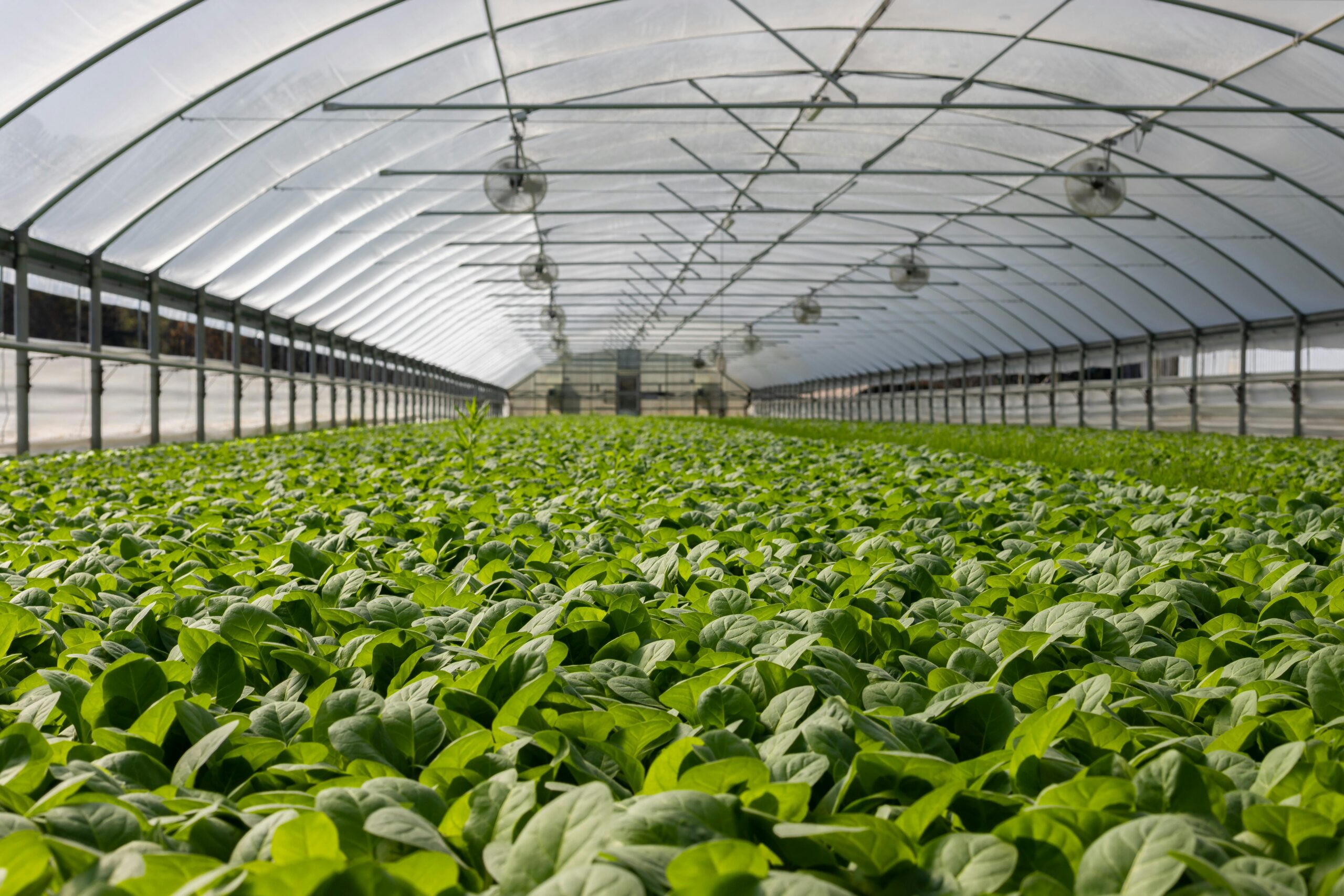
Cold frames act like miniature greenhouses, trapping solar heat and protecting plants from frost. Use them to start crops 2-4 weeks earlier in spring and extend harvests 3-6 weeks into fall. Fast-growing greens particularly benefit from this protection.
Lightweight row covers provide 4-8 degrees of frost protection while allowing light and water penetration. Drape them directly over crops or support them on hoops for easier access. This simple technique can save crops during unexpected cold snaps.
Raised Beds and Container Gardens
Raised beds warm up faster in spring, allowing earlier planting of fast-growing crops. The improved drainage also benefits many quick-turnaround vegetables that dislike waterlogged soil.
Containers offer ultimate flexibility in short-season gardens. Move them to protected locations during cold spells or position them in the warmest microclimates around your property. Many fast-growing crops adapt well to container culture.
Planning Your Quick-Turnaround Garden Calendar 📅
Success with fast-growing crops requires thoughtful planning. Create a planting calendar that maximizes your available growing days while ensuring continuous harvests rather than overwhelming gluts.
Begin by mapping your frost dates and calculating your growing season length. Identify which crops can be direct-seeded outdoors and which benefit from indoor starting. Fast-growing crops generally direct seed well, saving time and effort.
Schedule succession plantings of quick crops like lettuce, radishes, and beans every 10-14 days. This strategy prevents waste while ensuring fresh harvests throughout the season. Stop succession planting 60-70 days before your expected first fall frost.
Intercropping and Companion Planting
Maximize space by intercropping fast-growing plants among slower vegetables. Plant radishes between tomato transplants—the radishes will be harvested before tomatoes need the space. Lettuce grows well in the shade of taller plants during hot weather.
Companion planting benefits become even more valuable in intensive short-season gardens. Basil planted near tomatoes may improve flavor and repel pests. Marigolds throughout the garden attract beneficial insects and add cheerful color.
Soil Preparation for Rapid Growth 🌍
Fast-growing crops demand nutrient-rich soil to support their accelerated development. Proper soil preparation directly impacts both speed of growth and harvest quality.
Incorporate compost or well-rotted manure before planting to provide readily available nutrients. Fast-growing crops don’t have time to wait for slow-release fertilizers to become available. Aim for 2-3 inches of organic matter worked into the top 6-8 inches of soil.
Soil temperature matters tremendously for seed germination and root development. Use soil thermometers to ensure temperatures meet crop requirements before planting. Most fast-growing greens germinate in soil as cool as 40°F, while beans and squash need 60°F or warmer.
Watering Strategies for Accelerated Production 💧
Consistent moisture is critical for fast-growing crops. Any water stress slows growth, potentially preventing maturation before season’s end. However, proper watering means more than just frequent application.
Drip irrigation or soaker hoses deliver water directly to root zones, reducing waste and disease risk. These systems work particularly well with fast-growing crops planted in rows or blocks. Mulching around plants further conserves moisture while moderating soil temperature.
Morning watering allows foliage to dry before evening, reducing fungal disease problems. In hot weather, fast-growing crops may need daily watering, especially when grown in containers or raised beds that dry out quickly.
Harvesting Techniques to Extend Productivity ✂️
Proper harvesting techniques can significantly extend the productive period of fast-growing crops. Many vegetables produce more when regularly harvested, rewarding attentive gardeners with bigger overall yields.
Check zucchini and summer squash plants daily once production begins. Harvest fruits at 6-8 inches to encourage continued flowering and fruit set. Leaving oversized fruits on plants signals them to stop producing new ones.
Use the cut-and-come-again method with lettuce, spinach, and chard. Remove outer leaves while leaving the growing center intact. Plants continue producing new leaves for weeks, dramatically extending harvest from a single planting.
Pick beans and peas regularly, even if you don’t need them all immediately. Mature pods left on plants trigger the cessation of flowering. Freeze, share, or preserve excess harvests while maintaining plant productivity.
Troubleshooting Common Short-Season Challenges 🔧
Short-season gardeners face unique challenges that can derail even the best-laid plans. Understanding common problems and their solutions helps ensure successful harvests.
Bolting occurs when crops prematurely flower and set seed, typically triggered by heat or long days. Choose bolt-resistant varieties of lettuce, spinach, and cilantro. Provide afternoon shade during heat waves and succession plant to ensure replacement crops.
Pest pressure can be intense in short seasons when gardeners feel they can’t afford to lose any growing time. Focus on prevention through crop rotation, row covers, and encouraging beneficial insects. Hand-picking pests works well in small gardens and causes no harvest delays.
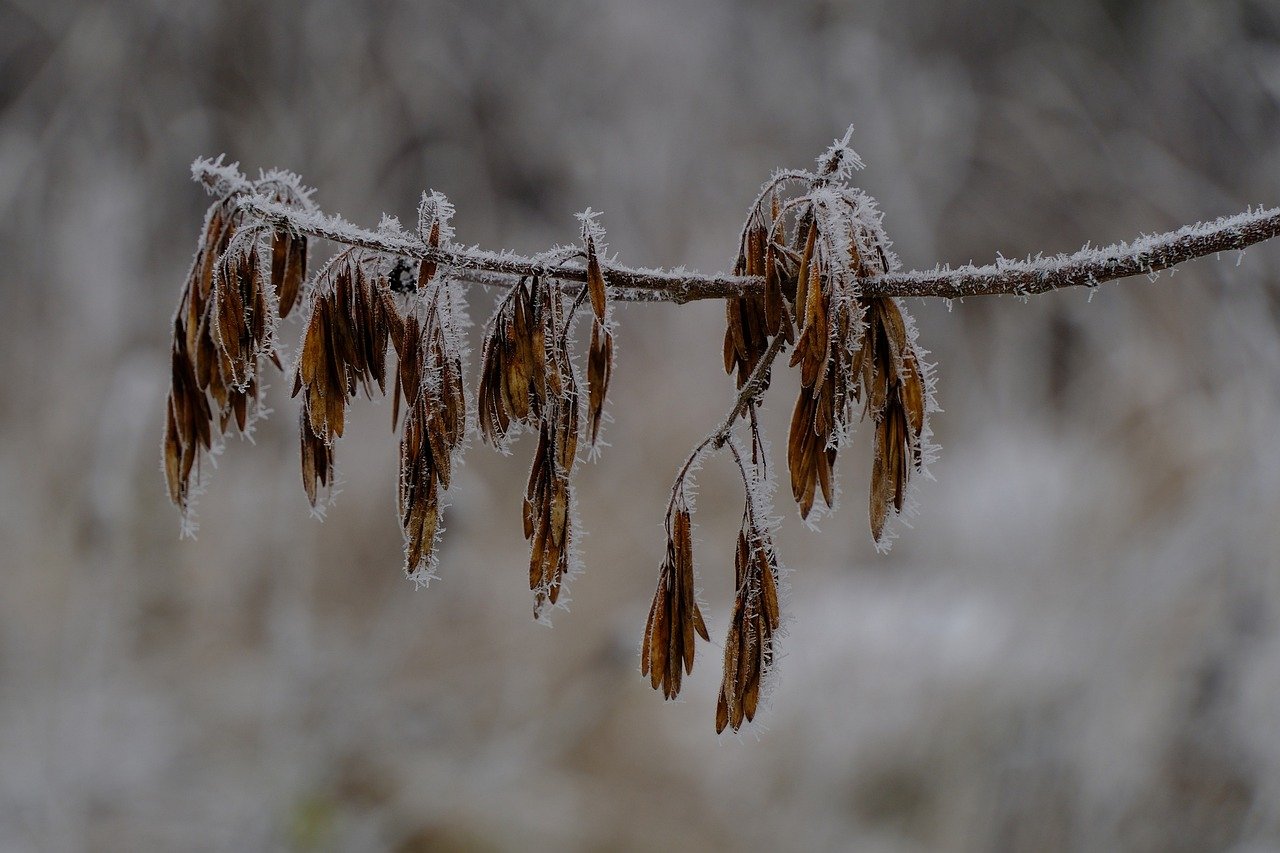
Late spring frosts threaten early plantings while early fall cold snaps can devastate crops nearing maturity. Monitor weather forecasts closely and keep row covers, cloches, or even old sheets ready to protect plants on threatening nights.
Making Every Day Count in Your Garden 🌟
Short growing seasons demand efficiency and strategic planning, but they also inspire creativity and attentiveness. Fast-growing crops offer the perfect tools for maximizing harvest potential in limited timeframes.
By selecting vegetables and herbs bred for quick maturation, implementing succession planting, and utilizing season extension techniques, even the most challenging short-season climates can produce abundant harvests. The key lies in working with your climate rather than against it.
Start with a few reliable fast-growing crops and expand your repertoire as you gain confidence. Keep detailed notes about what works in your specific microclimate—planting dates, varieties, and techniques that succeeded or failed. This information becomes invaluable for planning future seasons.
Remember that gardening is both science and art. While days-to-maturity numbers provide guidance, actual performance varies with weather, soil conditions, and care practices. Stay flexible and enjoy the learning process as much as the harvests themselves.
With thoughtful crop selection and smart gardening practices, your short-season garden can rival the productivity of longer growing zones. Fast-growing crops transform limitations into opportunities, proving that abundance isn’t measured by season length alone but by the wisdom and care you bring to every planting decision.