Winter doesn’t mean your garden has to hibernate! Even in colder months, mild climate regions offer incredible opportunities for growing fresh vegetables, herbs, and flowers that thrive when temperatures drop.

Whether you’re a seasoned gardener or just starting your green journey, understanding what to plant during winter can transform your outdoor space into a productive oasis. With the right planning and knowledge, you’ll enjoy fresh harvests throughout the season while preparing your garden for spring’s abundance.
🌱 Understanding Winter Planting in Mild Climates
Mild climate zones, typically found in USDA hardiness zones 8-10, experience winter temperatures that rarely dip below 20°F (-6°C). These regions include parts of the Pacific Northwest, coastal California, the Southern United States, and Mediterranean-style climates worldwide.
The beauty of winter gardening in these areas lies in the extended growing season. While northern gardeners bundle up indoors, mild climate gardeners can continue cultivating cool-season crops that actually prefer the gentler temperatures and increased moisture from winter rains.
Cool-season vegetables grow best when daytime temperatures range between 50-70°F (10-21°C). These plants have evolved to tolerate light frosts and even benefit from the stress of cold weather, which can enhance their flavor profiles. Many leafy greens, for instance, develop sweeter tastes after exposure to frost as they convert starches to sugars as a protective mechanism.
📅 Your Month-by-Month Winter Planting Guide
December: Starting Strong
December marks the official beginning of winter, but in mild climates, it’s prime planting time for numerous crops. Focus on establishing hardy vegetables that will mature over the next 60-90 days.
Plant bare-root fruit trees and berry bushes during December while they’re dormant. This timing allows roots to establish before spring growth begins. Asparagus crowns can also go into the ground now, though you’ll need patience as they won’t produce heavily for two years.
Direct sow seeds for fava beans, peas, spinach, arugula, and lettuce. These cold-hardy crops germinate well in cool soil and will provide harvests from late winter through spring. Start transplants indoors for artichokes, broccoli, and cabbage to plant out in January or February.
January: Building Momentum
January is often the coldest month in mild winter regions, but don’t let that stop you. This month focuses on transplanting seedlings started in December and continuing succession plantings of quick-maturing greens.
Transplant broccoli, Brussels sprouts, cabbage, cauliflower, and kale seedlings into prepared beds. These brassicas need 60-100 days to mature, positioning them perfectly for spring harvests. Space them generously as they’ll develop substantial root systems and foliage.
Direct seed additional rounds of lettuce, spinach, mustard greens, and radishes every two weeks to ensure continuous harvests. Plant onion sets and garlic cloves if you haven’t already done so in fall. Root crops like carrots, turnips, and beets can go directly into the ground now.
February: Spring Preparation Begins
By February, daylight hours are noticeably increasing, triggering growth spurts in your winter plantings. This month bridges winter and spring, allowing you to plant both late cool-season crops and begin preparations for warm-season vegetables.
Plant potatoes from seed potatoes around Valentine’s Day in most mild winter zones. These will be ready for harvest in late spring. Continue planting peas if you desire an extended harvest period. The sugar snap and snow pea varieties planted now will climb vigorously as temperatures warm.
Start seeds indoors for tomatoes, peppers, and eggplants toward the end of February. These heat-lovers need 6-8 weeks of indoor growth before transplanting after the last frost date. Also begin herb seeds like basil, cilantro, and parsley indoors or in protected outdoor locations.
🥬 Top Winter Vegetables for Mild Climates
Leafy Greens: The Winter Garden Staples
Leafy greens reign supreme in winter gardens. Lettuce varieties from butterhead to romaine thrive in cool weather, with some cultivars specifically bred for cold tolerance. Plant mixed lettuce seeds every two weeks for baby greens that can be harvested in just 30 days.
Spinach is incredibly cold-hardy and becomes sweeter after frost exposure. Both savoy and smooth-leaf varieties grow well through winter. Harvest outer leaves continuously while allowing the center to keep producing.
Kale deserves its superfood status not just nutritionally but for its garden performance. This brassica survives temperatures down to 20°F and tastes better after cold weather. Varieties like ‘Winterbor’ and ‘Lacinato’ are particularly winter-hardy and provide harvests for months.
Swiss chard offers colorful stems and nutritious leaves throughout winter. The ‘Bright Lights’ variety adds visual interest with rainbow-colored stems while producing abundantly even in shorter days. Arugula grows rapidly in cool weather, providing peppery leaves perfect for salads and sandwiches in just 40 days from seed.
Brassicas: The Cool-Season Powerhouses
The cabbage family thrives in winter conditions. Broccoli develops tight, flavorful heads when grown in cool weather and will produce side shoots for weeks after the main head is harvested. Choose varieties labeled for fall or winter production.
Cauliflower can be temperamental but rewards patient gardeners with beautiful white, purple, or orange heads. It requires consistent moisture and fertility but handles cold temperatures excellently. Brussels sprouts actually improve in flavor after frost, making them ideal winter crops.
Asian greens like bok choy, tatsoi, and mizuna grow quickly in cool weather and offer unique flavors. These vegetables mature rapidly, with some baby varieties ready in just 25-30 days. They’re also less prone to bolting in cool temperatures compared to warm-season plantings.
Root Vegetables: Underground Treasures
Carrots develop exceptional sweetness when grown in cool soil. Winter-planted carrots take longer to mature but reward with superior flavor. Varieties like ‘Napoli’ and ‘Bolero’ perform well in winter conditions.
Radishes are among the fastest-growing vegetables, ready in just 25-30 days. Plant succession crops every week or two for continuous harvests. Beyond the common red globe types, try winter radishes like daikon, which can grow quite large and store well.
Turnips and rutabagas are underappreciated winter vegetables that provide both roots and edible greens. They’re extremely cold-hardy and can be left in the ground and harvested as needed. Beets grow more slowly in winter but produce sweet roots and nutritious greens.
🌿 Herbs That Flourish in Winter
Many Mediterranean herbs are perfectly adapted to mild winter climates. Rosemary, thyme, oregano, and sage are perennials that actually prefer cooler temperatures and will grow actively through winter while becoming dormant in intense summer heat.
Parsley, both flat-leaf and curly varieties, thrives in winter gardens. This biennial grows vegetatively in its first year, providing abundant harvests when many other herbs are dormant. Cilantro performs exceptionally well in cool weather and tends to bolt quickly once temperatures warm, making winter the ideal growing season.
Chives continue growing through mild winters, providing onion-flavored leaves for culinary use. Cut them back regularly to encourage fresh, tender growth. Dill can be succession planted through winter for continuous harvests, though it grows more slowly in cooler temperatures.
🌸 Winter Flowers for Color and Pollinators
Your winter garden doesn’t have to be purely functional. Many flowers thrive in cool weather, providing essential nectar sources for overwintering pollinators and early spring bees.
Pansies and violas are classic winter flowers that bloom continuously even through light frosts. Their cheerful faces add color when the landscape might otherwise look bare. Sweet peas planted in winter will climb vigorously and produce fragrant blooms in early spring.
Snapdragons grow best in cool weather and can be planted from fall through early spring in mild climates. Stock flowers provide wonderful fragrance and excellent cut flowers. Calendula blooms prolifically through winter, offering edible flowers while attracting beneficial insects.
Wildflower mixes designed for cool-season blooming will establish during winter rains and create spectacular displays in spring. These often include California poppies, bachelor’s buttons, and various native species adapted to winter growing conditions.
💧 Winter Garden Care Essentials
Watering Wisdom for Cool Seasons
Winter watering requirements differ dramatically from summer. In many mild winter regions, rainfall provides sufficient moisture, but during dry spells, your garden still needs attention. Water deeply but infrequently, allowing soil to partially dry between waterings.
Morning watering is ideal during winter, giving foliage time to dry before cold nights arrive. Wet leaves overnight increase disease susceptibility. Drip irrigation or soaker hoses deliver water efficiently while keeping foliage dry.
Monitor soil moisture rather than following a fixed schedule. Stick your finger into the soil; if it’s dry beyond the top inch, it’s time to water. Container plants dry out faster and need more frequent checking than in-ground gardens.
Frost Protection Strategies
Even in mild climates, occasional hard frosts can damage tender plants. Keep frost cloth or old sheets handy to drape over vulnerable plants when freezes are forecasted. Remove coverings once temperatures rise above freezing to prevent overheating.
Cold frames and low tunnels extend your growing season and protect plants from frost damage. These simple structures capture solar heat during the day and release it at night, creating a microclimate several degrees warmer than surrounding areas.
Mulching around plants provides root insulation and helps moderate soil temperatures. Use organic mulches like straw, leaves, or compost, applying a 2-3 inch layer around plants while keeping it away from stems to prevent rot.
Pest and Disease Management
Winter gardens face fewer pest pressures than summer, but some challenges remain. Aphids thrive in cool weather and cluster on tender new growth. Control them with strong water sprays or insecticidal soap applications.
Slugs and snails become more active during wet winter weather, munching on leafy greens and young seedlings. Hand-pick them in early morning or evening, use beer traps, or create barriers with copper tape or diatomaceous earth.
Fungal diseases increase with winter moisture and limited air circulation. Space plants adequately for airflow, avoid overhead watering, and remove diseased foliage promptly. Powdery mildew and downy mildew can affect brassicas and peas; organic fungicides may be necessary for severe infections.
🌾 Soil Preparation and Fertility
Winter is an excellent time to improve soil quality for the upcoming growing year. Add compost and aged manure to beds, allowing winter rains to incorporate nutrients gradually. Cover crops planted in unused areas fix nitrogen and prevent erosion while building organic matter.
Cool-season vegetables generally require less fertilization than summer crops, but they still need nutrients for healthy growth. Use balanced organic fertilizers or compost tea every 3-4 weeks. Leafy greens benefit from nitrogen-rich amendments, while root crops prefer phosphorus and potassium.
Test your soil pH every few years, as most vegetables prefer slightly acidic to neutral conditions (pH 6.0-7.0). Winter is ideal for making pH adjustments, as amendments have time to work before spring planting intensity begins.
🎯 Succession Planting for Continuous Harvests
The key to maximizing your winter garden’s productivity lies in succession planting. Rather than sowing entire beds at once, plant smaller amounts every 2-3 weeks. This strategy ensures continuous harvests rather than feast-or-famine cycles.
Quick-maturing crops like lettuce, radishes, and Asian greens are perfect for succession planting. Calculate maturity dates backward from spring to determine your last planting window. For example, if lettuce needs 45 days and your warm weather typically arrives in mid-April, your last planting should occur in early March.
Keep detailed planting records noting varieties, planting dates, and performance. This information becomes invaluable for planning future seasons and identifying which crops perform best in your specific microclimate.
🔧 Essential Tools and Supplies
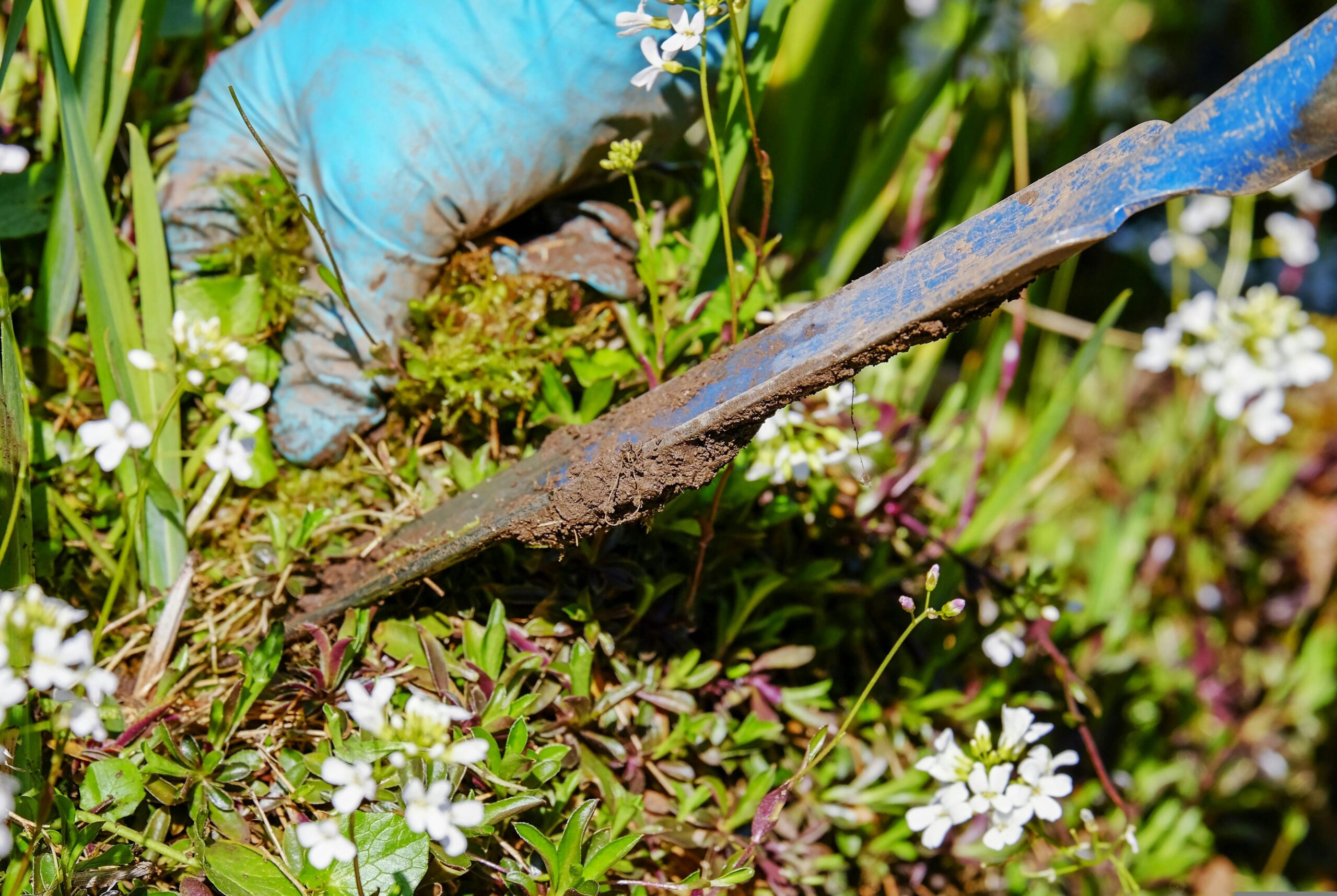
Winter gardening doesn’t require extensive equipment, but a few key items make the work easier and more enjoyable. Quality gloves keep hands warm and protected during chilly morning tasks. A soil thermometer helps determine optimal planting times for temperature-sensitive seeds.
Row covers in various weights protect plants from frost and pests while allowing light and moisture to penetrate. Invest in both lightweight fabric for mild protection and heavier frost blankets for hard freeze events.
A rain gauge helps track natural precipitation so you can supplement as needed. Good pruning shears or harvest knives make clean cuts that promote plant health and reduce disease entry points.
🌟 Maximizing Small Spaces and Containers
Limited garden space doesn’t prevent winter growing success. Container gardening works beautifully for winter vegetables, especially leafy greens and herbs. Choose containers at least 6-8 inches deep with adequate drainage holes.
Use quality potting mix rather than garden soil in containers, as it provides better drainage and aeration. Mix in compost for nutrients and moisture retention. Group containers together to create microclimates and simplify watering routines.
Vertical growing maximizes limited space. Peas climb trellises enthusiastically, and many greens can be grown in wall-mounted planters or hanging baskets. Succession plant containers just like garden beds, replacing harvested plants with new seedlings for continuous production.
💚 The Rewards of Winter Gardening
Winter gardening in mild climates offers rewards beyond fresh produce. The physical activity keeps you moving during months when indoor time naturally increases. The connection with nature’s cycles provides mental health benefits and stress relief.
Growing your own food reduces grocery expenses and environmental impact from transportation. Winter vegetables picked at peak ripeness taste dramatically better than store-bought options shipped from distant locations. You’ll also enjoy experimenting with varieties unavailable in supermarkets.
Your winter garden supports local ecosystems by providing food and habitat for beneficial insects, birds, and pollinators when natural food sources are scarce. The satisfaction of harvesting fresh vegetables on a crisp winter morning while neighbors’ gardens lie dormant is incomparable.
Start your winter planting journey today, and you’ll discover that the coldest months can be among the most productive and rewarding in your gardening calendar. With proper planning, appropriate crop selection, and consistent care, your mild climate winter garden will thrive and provide abundant harvests throughout the season! 🌱