Fall gardening offers a unique opportunity to grow delicious, nutrient-dense vegetables that actually prefer cooler temperatures. Understanding when and what to plant can transform your autumn garden into a productive paradise.

As summer’s heat begins to fade, many gardeners mistakenly pack away their tools and close down their gardens for the year. However, experienced cultivators know that fall represents one of the most rewarding seasons for growing vegetables. Cool-season crops thrive in the moderate temperatures and consistent moisture that autumn provides, often producing sweeter, more flavorful harvests than their spring counterparts. With proper planning and timing, your fall garden can yield abundant produce well into winter and even early spring.
🍂 Why Fall Gardening Deserves Your Attention
Fall gardening presents several distinct advantages over traditional spring and summer cultivation. The cooler temperatures reduce water stress on plants, meaning less frequent irrigation and lower water bills. Additionally, many common garden pests naturally decline as temperatures drop, reducing the need for pest management interventions.
The moderate weather conditions of autumn create an ideal environment for root development. Cool-season crops establish stronger root systems in fall temperatures, leading to healthier, more resilient plants. Furthermore, many vegetables actually taste better after exposure to light frosts, as plants convert starches to sugars as a natural antifreeze mechanism.
Fall gardens also extend your growing season significantly, allowing you to harvest fresh produce for several additional months. In many climates, properly planned fall gardens can provide vegetables through December or even into the following spring, maximizing your garden’s productivity and your return on investment.
Understanding Your First Frost Date 📅
The cornerstone of successful fall garden planning is knowing your area’s average first frost date. This critical piece of information determines your entire planting schedule, as you’ll need to count backward from this date to ensure crops mature before killing frosts arrive.
Your local agricultural extension office can provide accurate frost date information for your specific region. Online resources and gardening apps also offer frost date calculators based on your zip code or location. Remember that these dates represent averages, so building in a two-week buffer provides insurance against early cold snaps.
Microclimates within your property can affect actual frost timing. Low-lying areas typically experience frost earlier than elevated spots, while areas near buildings or large bodies of water may stay warmer longer. Observing these patterns in your specific location helps refine your planting schedule over time.
Cool-Season Crops: The Fall Garden All-Stars
Cool-season vegetables are classified into two main categories: frost-tolerant and frost-hardy. Understanding this distinction is crucial for planning harvest schedules and determining which crops can potentially overwinter in your climate zone.
Frost-Tolerant Vegetables 🥬
Frost-tolerant crops can withstand light frosts (28-32°F) but will suffer damage or death from hard freezes. These vegetables should be planted early enough to mature before sustained freezing temperatures arrive. The frost-tolerant category includes lettuce, spinach, arugula, Asian greens, beets, carrots, radishes, turnips, and Swiss chard.
These vegetables often produce their best flavors after experiencing a few light frosts. The cold triggers physiological changes that enhance sweetness and improve texture. Many gardeners specifically time their harvests to occur after the first frost for this reason.
Frost-Hardy Champions ❄️
Frost-hardy vegetables tolerate temperatures well below freezing and can survive multiple hard frosts. Members of the brassica family dominate this category, including kale, collards, Brussels sprouts, cabbage, broccoli, cauliflower, and kohlrabi. These robust crops can often be harvested throughout winter in moderate climates.
Certain varieties within these crop types demonstrate exceptional cold tolerance. For example, ‘Winterbor’ kale and ‘Winter Density’ lettuce are specifically bred for extended cold-season production. Selecting these cold-hardy varieties maximizes your chances of successful winter harvests.
Your Month-by-Month Fall Planting Calendar
Timing is everything in fall gardening. This comprehensive calendar provides general guidelines based on typical first frost dates, but remember to adjust for your specific location and microclimate conditions.
July: Getting Ahead of the Game
In regions with first frost dates in October or November, July marks the beginning of fall garden planting. Start long-maturing crops like Brussels sprouts, which require 90-100 days to reach harvest size. Plant transplants rather than seeds to give them a head start.
July is also ideal for starting broccoli, cabbage, and cauliflower transplants indoors or in a shaded area. These cool-season brassicas need protection from intense summer sun while young but will strengthen as temperatures moderate.
August: Peak Planting Season 🌱
August represents prime time for fall garden planting in most temperate regions. Direct sow fast-maturing crops like radishes, turnips, and Asian greens, which can reach harvest size in 30-45 days. Plant lettuce, spinach, and arugula for autumn salad greens.
Transplant your brassicas started in July, ensuring they have adequate time to establish before cold weather. Plant carrots and beets, which will size up nicely in fall’s moderate temperatures. Succession plant lettuce and greens every two weeks for continuous harvests.
September: Last Call for Quick Crops
September planting focuses on fast-maturing varieties that can reach harvest size before hard frosts. Plant quick-growing lettuce varieties, spinach, arugula, and Asian greens. These can mature in 30-40 days under favorable conditions.
Direct sow radishes, which can be ready in as little as 25 days. Plant garlic cloves for harvest the following summer. In mild climates, you can still plant kale and other hardy greens for winter harvesting.
October and Beyond: Maintenance and Protection
October shifts focus from planting to protection and maintenance. Install row covers, cold frames, or hoop houses to extend the season for tender crops. Mulch around plants to insulate roots and maintain soil temperature.
In zones 7 and warmer, you can still plant garlic, onions, and certain hardy greens for spring harvest. Monitor weather forecasts closely and be prepared to provide additional protection during cold snaps.
Calculating Days to Maturity: The Critical Math
Every seed packet lists “days to maturity,” but understanding how to use this information for fall planting requires some calculation. For fall gardens, you’ll work backward from your first frost date, subtracting the days to maturity plus an additional fall factor.
The fall factor accounts for shorter day lengths and lower light intensity as summer transitions to autumn. As a rule of thumb, add 7-14 days to the listed maturity time for crops planted after mid-August. This buffer ensures crops have sufficient time to mature before growth slows or stops.
For example, if you want to grow a lettuce variety that matures in 45 days and your first frost date is October 15, count back 45 days (to September 1) plus 10 days for the fall factor, giving you an ideal planting date of around August 22.
Season Extension Techniques for Maximum Production 🌡️
Implementing season extension strategies can add weeks or even months to your fall growing season. These techniques range from simple and inexpensive to more involved investments that pay dividends over multiple seasons.
Row Covers and Floating Fabric
Lightweight row covers create a protective microclimate while allowing light, air, and water to penetrate. These inexpensive fabrics can add 4-8°F of frost protection and shield plants from wind damage. Drape them directly over crops or support them with hoops for larger plantings.
Heavier frost blankets provide even greater protection, sometimes adding 8-10°F of temperature buffering. Use these when hard frosts are forecast, but remove them during the day to prevent overheating if temperatures rise.
Cold Frames and Hoop Houses
Cold frames are bottomless boxes with transparent tops that capture solar heat and protect plants from harsh weather. Even a simple cold frame constructed from hay bales and old windows can extend your season by several weeks.
Hoop houses or low tunnels consist of metal or PVC hoops covered with plastic sheeting. These structures can extend the growing season by 4-8 weeks on each end, allowing you to harvest well into winter. Proper ventilation is crucial to prevent overheating on sunny days.
Soil Preparation for Fall Success
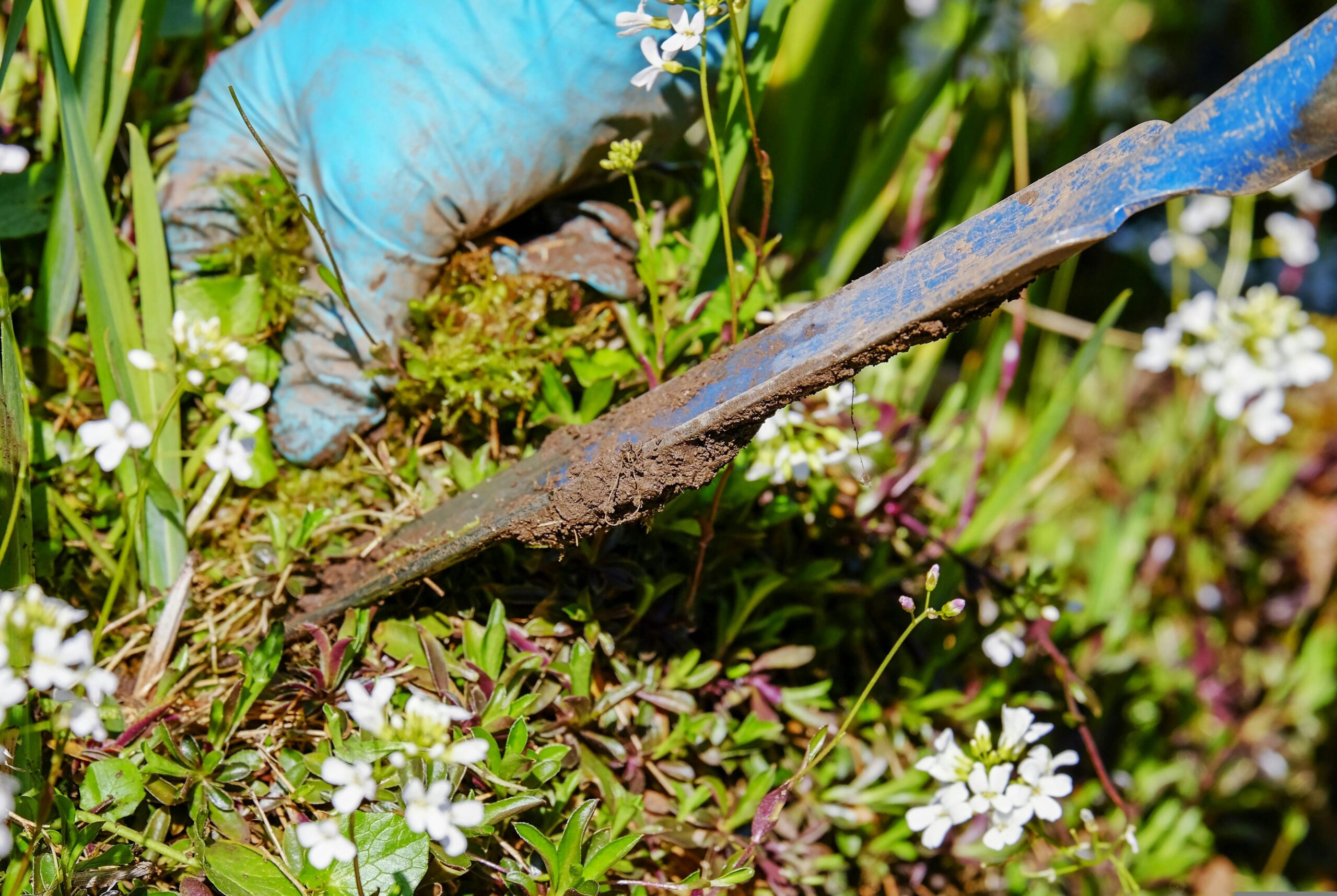
Preparing your soil properly in late summer sets the foundation for a thriving fall garden. Unlike spring, when soil is often too wet to work, late summer soil is typically easier to amend and prepare without causing compaction issues.
Add 2-4 inches of compost or well-rotted manure to replenish nutrients depleted by summer crops. Fall crops generally require less nitrogen than summer vegetables but benefit from phosphorus and potassium for root development. A balanced organic fertilizer applied at planting time provides steady nutrition.
Test your soil pH, as many cool-season crops prefer slightly alkaline conditions. Brassicas, in particular, perform best with soil pH between 6.5 and 7.5. Adjust as needed with lime to raise pH or sulfur to lower it, following soil test recommendations.
Watering Wisdom for Autumn Gardens 💧
Fall watering requirements differ significantly from summer needs. Cooler temperatures and shorter days mean reduced evaporation and transpiration, so plants need less frequent irrigation. However, consistent moisture remains important for optimal growth and flavor.
Water deeply but less frequently, allowing soil to dry slightly between waterings. This encourages deeper root growth and improves plant resilience. Morning watering is ideal, as it allows foliage to dry before evening, reducing disease risk.
As temperatures drop and growth slows, further reduce watering frequency. However, don’t let soil become completely dry, especially for shallow-rooted crops like lettuce and spinach. Mulching helps maintain consistent soil moisture and reduces watering needs.
Common Fall Garden Challenges and Solutions
While fall gardening presents fewer challenges than summer cultivation, certain issues require attention. Being aware of potential problems allows you to implement preventive measures and respond quickly when issues arise.
Pest Management in Cool Weather 🐛
Though pest pressure decreases in fall, certain insects remain active. Cabbage worms, aphids, and flea beetles can damage fall brassicas. Monitor plants regularly and handpick larger pests. Row covers prevent flying insects from laying eggs on your crops.
Slugs thrive in cool, moist fall conditions and can devastate young seedlings overnight. Remove hiding places like boards and dense mulch near plants. Set beer traps or use iron phosphate-based baits for organic slug control.
Disease Prevention Strategies
Cool, damp fall weather can promote fungal diseases like powdery mildew and downy mildew. Ensure adequate spacing between plants for air circulation. Water at soil level rather than overhead to keep foliage dry. Remove infected leaves promptly to prevent disease spread.
Crop rotation becomes especially important for fall gardens that follow summer plantings. Avoid planting fall brassicas where summer brassicas grew, as this can concentrate diseases and pests. Similarly, rotate lettuce and other greens to different areas.
Harvesting and Storing Your Fall Bounty
Knowing when and how to harvest fall crops maximizes both yield and quality. Many cool-season vegetables can be harvested over extended periods, providing fresh produce for weeks or months rather than a one-time harvest.
Harvest leafy greens by picking outer leaves first, allowing the plant to continue producing new growth from the center. This “cut-and-come-again” method works wonderfully for lettuce, kale, collards, and Swiss chard, extending productivity throughout the season.
Root vegetables like carrots, beets, and turnips can remain in the ground well after maturity, essentially using the soil as a storage unit. In many climates, a thick layer of mulch allows harvesting throughout winter. However, harvest before the ground freezes solid to avoid damage.
Planning for Overwintering and Spring Harvests 🌸
Strategic fall planting enables harvests that extend into the following spring. Certain crops planted in fall will overwinter in a semi-dormant state, then resume growth when temperatures warm, producing early spring harvests weeks before new plantings mature.
Garlic planted in October or November overwinters as cloves, sending up shoots in early spring and maturing by early summer. Overwintered onions, planted as sets in fall, similarly provide early summer harvests. In zones 7 and warmer, many greens planted in late fall will survive winter and produce abundant spring growth.
Even in colder climates, crops like kale, spinach, and certain lettuces can overwinter under protection. Cold frames or hoop houses create the necessary microclimate for survival. These plants may show little growth during winter but will take off rapidly when spring arrives, providing harvests 4-6 weeks earlier than spring plantings.
Making Your Fall Garden Work for You
Creating a thriving fall garden requires planning, proper timing, and attention to the unique needs of cool-season crops. Start by determining your first frost date, then work backward to establish planting schedules. Choose varieties suited to your climate and available growing time.
Prepare your soil properly, implement season extension techniques appropriate for your goals and budget, and maintain consistent care throughout the season. Monitor for pests and diseases, adjusting your management strategies as needed.
Remember that fall gardening is a learning process. Keep records of planting dates, varieties, and results to refine your approach each year. Note which crops performed best, when harvests peaked, and what challenges arose. This information becomes invaluable for planning future fall gardens.
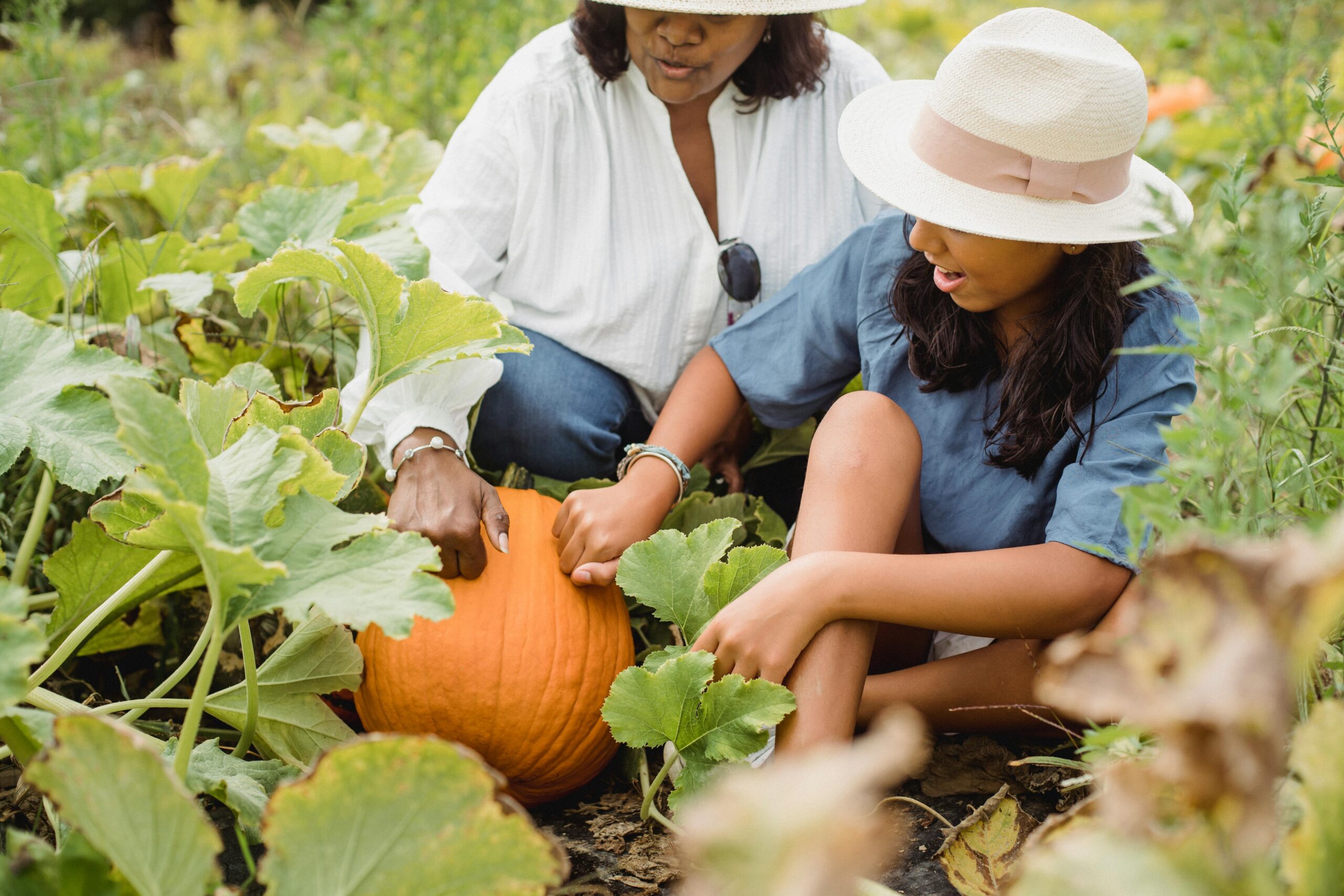
The rewards of fall gardening extend beyond fresh produce. Working in the pleasant autumn weather, enjoying the beauty of fall gardens, and eating nutrient-dense vegetables at their flavor peak make fall cultivation a deeply satisfying endeavor. With this comprehensive planting calendar as your guide, you’re well-equipped to master your fall garden and enjoy abundant cool-season harvests for months to come. 🍂🥕