Container gardening opens up a world of possibilities for anyone wanting to grow beautiful flowers and fresh produce, regardless of available space. Whether you’re working with a tiny balcony or a sprawling patio, mastering the timing of your plantings ensures continuous blooms and harvests throughout every season.

Understanding when to plant specific crops and flowers in containers is the secret to becoming a successful container gardener. This comprehensive planting calendar will guide you through each season, helping you maximize your yields and keep your containers looking vibrant all year long.
🌱 Understanding Container Gardening Fundamentals Before Planning Your Calendar
Before diving into seasonal planting schedules, it’s essential to grasp the basics that make container gardening unique. Unlike traditional in-ground gardening, containers offer mobility, controlled soil conditions, and the ability to create optimal microclimates for different plants.
Containers warm up faster in spring and cool down quicker in fall compared to garden beds. This characteristic allows you to start planting earlier and extend your growing season with strategic placement. Consider the material of your containers—terracotta breathes well but dries quickly, while plastic retains moisture longer but may overheat in direct sun.
Drainage is absolutely critical for container success. Every pot needs drainage holes to prevent waterlogged roots and fungal diseases. The size of your container matters tremendously; larger pots provide more root space, retain moisture better, and require less frequent watering.
🌸 Spring Awakening: Early Season Container Planting (March-May)
Spring marks the beginning of the container gardening year for most climates. As temperatures rise and frost danger passes, it’s time to refresh containers and start planting cool-season crops and early bloomers.
Cool-Season Vegetables for Spring Containers
March through early April is perfect for planting hardy vegetables that thrive in cooler temperatures. Lettuce, spinach, arugula, and other leafy greens excel in containers during this period. These crops can tolerate light frosts and actually taste sweeter when grown in cooler weather.
Peas are excellent spring container plants, especially dwarf varieties that don’t require extensive trellising. Plant them as soon as the soil can be worked, typically when temperatures consistently reach 45°F (7°C). Sugar snap and snow peas work particularly well in deeper containers.
Radishes, with their quick maturation time of just 25-30 days, provide almost instant gratification for container gardeners. Plant them in succession every two weeks for a continuous harvest throughout spring.
Spring Flowering Container Combinations
Early spring containers should feature cold-hardy bloomers like pansies, violas, primrose, and snapdragons. These flowers can withstand temperatures down to the mid-20s°F (-4°C) and provide cheerful color when little else is blooming.
By late April or early May, depending on your zone, you can transition to warm-season annuals. Wait until nighttime temperatures consistently stay above 50°F (10°C) before planting impatiens, begonias, petunias, and geraniums.
☀️ Summer Abundance: Peak Growing Season Containers (June-August)
Summer is when container gardens truly shine with explosive growth and abundant harvests. This is the time to focus on heat-loving plants that produce prolifically in warm weather.
Vegetable Containers for Maximum Summer Harvest
Tomatoes are the quintessential summer container crop. Choose determinate varieties for smaller spaces or dwarf types specifically bred for container growing. Plant tomatoes in containers at least 5 gallons in size, and provide sturdy support as they grow.
Peppers, both sweet and hot varieties, thrive in containers throughout summer. They require less water than tomatoes and can tolerate slightly more heat stress. A single pepper plant can produce dozens of fruits in a 3-5 gallon container.
Herbs reach their peak during summer months. Basil, cilantro, parsley, and oregano all excel in containers. Plant basil after all frost danger has passed, as it’s extremely sensitive to cold. Pinch back flowering stems regularly to encourage bushy growth and prevent the plant from going to seed.
Cucumbers work surprisingly well in containers if you choose compact bush varieties. Provide a small trellis or cage for support, and maintain consistent moisture to prevent bitter-tasting fruits.
Creating Stunning Summer Flower Displays
Summer containers should showcase sun-loving annuals that tolerate heat and bloom continuously. Zinnias, marigolds, cosmos, and sunflowers bring vibrant colors and attract beneficial pollinators to your space.
For shadier locations, coleus provides stunning foliage interest throughout summer without requiring flowers. Combine different varieties with varying leaf patterns and colors for dramatic effects.
Don’t forget about edible flowers like nasturtiums and calendula, which serve double duty as both ornamental and culinary additions to your container garden.
🍂 Fall Transitions: Extending Your Growing Season (September-November)
As temperatures cool, many gardeners mistakenly think the growing season ends. Fall actually offers a second opportunity for productive container gardening with proper planning.
Cool-Season Crops Return to Containers
Late August through September is ideal for planting a second round of cool-season vegetables. Lettuce, kale, spinach, and Asian greens grow vigorously in fall’s moderate temperatures and shorter days.
Brassicas like broccoli, cauliflower, and cabbage can be started in containers during late summer for fall harvests. These vegetables actually improve in flavor after experiencing light frosts.
Root vegetables including carrots, beets, and turnips grow well in deeper containers planted in early fall. They’ll mature slowly as temperatures drop, providing fresh harvests well into November in many regions.
Ornamental Containers for Autumn Interest
Refresh summer containers in September with fall-blooming plants like chrysanthemums, asters, and ornamental kale. These plants provide color that intensifies as temperatures drop.
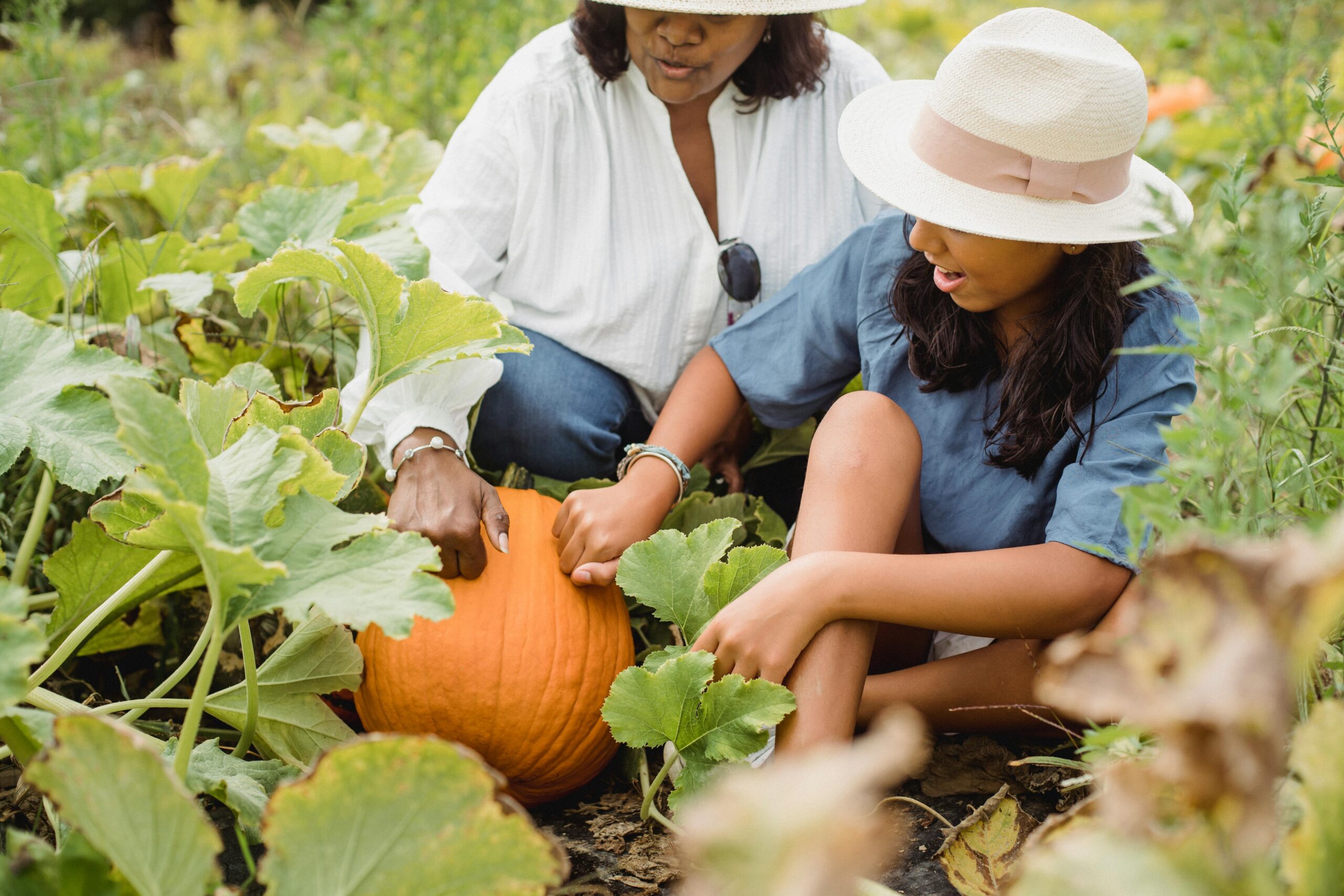
Incorporate ornamental grasses, pumpkins, and gourds into container displays for seasonal appeal. Mix in trailing plants like sweet potato vine for texture and movement.
❄️ Winter Wonderland: Cold Season Container Strategies (December-February)
Winter doesn’t mean abandoning your container garden entirely. With strategic planning, you can maintain attractive displays and even harvest fresh greens throughout the coldest months.
Edible Containers in Winter
In mild winter climates (zones 7-10), many cool-season crops continue producing throughout winter. Kale, Swiss chard, and winter lettuce varieties can tolerate significant cold when established before hard freezes arrive.
Cold frames or cloches placed over containers extend the growing season considerably. Even a simple plastic covering can raise temperatures enough to keep greens growing during cold snaps.
Indoor container gardening takes over in harsh winter climates. Move herbs like rosemary, thyme, and parsley indoors to sunny windows for fresh flavors all winter long.
Decorative Winter Containers
Create winter interest with evergreen boughs, red-twig dogwood stems, and winter berries arranged in your empty containers. Add pine cones, birch branches, and seasonal decorations for curb appeal.
Some hardy plants like hellebores, winter pansies, and ornamental cabbage can survive and even bloom in winter containers in moderate climates. Protect roots with extra mulch around the container’s base.
📅 Your Month-by-Month Container Planting Quick Reference
Having a quick reference guide helps ensure you never miss optimal planting windows for your favorite container plants.
- January-February: Plan your container garden, order seeds, start slow-growing flowers indoors
- March: Plant cool-season vegetables, pansies, primrose, start warm-season plants indoors
- April: Continue cool crops, plant early potatoes, transition to warm-season annuals late month
- May: Plant tomatoes, peppers, herbs, summer annuals after last frost
- June: Plant succession crops, fill remaining containers with heat-lovers
- July: Replace bolted cool-season crops, plant fall seeds indoors, maintain summer containers
- August: Start fall cool-season crops, plant mums and fall decoratives
- September: Plant garlic, continue fall vegetables, refresh ornamental containers
- October: Plant spring bulbs in containers, final lettuce planting in mild climates
- November: Protect tender perennials, create winter container displays
- December: Maintain winter containers, plan next year’s garden
💧 Seasonal Watering and Fertilizing Adjustments
Container plants have different needs throughout the year, requiring adjustments to your care routine as seasons change.
Spring and fall typically require moderate watering as temperatures are mild and plants aren’t actively growing at maximum rates. Check containers every 2-3 days, watering when the top inch of soil feels dry.
Summer demands daily or even twice-daily watering for most containers, especially smaller pots in full sun. Consider installing drip irrigation or self-watering containers if you struggle to keep up with summer water demands.
Winter watering depends on your climate. In mild areas, continue watering when the soil dries, but less frequently than summer. In cold climates where containers freeze solid, no watering is needed.
Fertilizing follows seasonal growth patterns. Feed actively growing plants every 2-4 weeks during spring and summer with balanced liquid fertilizer. Reduce feeding frequency in fall and eliminate it entirely during winter dormancy.
🌿 Succession Planting Strategies for Continuous Harvests
The secret to year-round productivity lies in succession planting—replacing spent crops with new plantings throughout the growing season.
Fast-maturing crops like lettuce, radishes, and herbs can be replanted every 2-3 weeks during their optimal seasons. This ensures you’re never without fresh harvests rather than experiencing feast-or-famine cycles.
As spring peas finish producing in June, immediately replant those containers with heat-loving beans or summer flowers. When tomatoes finish in October, transition those pots to fall greens or ornamental displays.
Keep transplants ready in smaller containers to quickly fill gaps when plants finish their productive cycles. This eliminates downtime and keeps your container garden looking full and attractive.
🏆 Container-Specific Variety Selection for Success
Not all plant varieties perform equally in containers. Selecting types specifically bred for compact growth ensures better results with less frustration.
Look for descriptors like “patio,” “dwarf,” “bush,” “compact,” and “container” when selecting vegetable varieties. These plants have been bred to produce full-sized harvests on smaller plants suitable for confined spaces.
Many seed companies now offer “container collections” that take the guesswork out of variety selection. These curated sets include plants proven to thrive in pots.
For flowers, choose varieties that bloom continuously rather than once-and-done types. Self-cleaning flowers that drop spent blooms eliminate deadheading chores and maintain attractive appearances.
🔄 Refreshing Container Soil Between Seasons
Maintaining healthy, nutrient-rich soil in containers requires seasonal attention and occasional complete renewal.
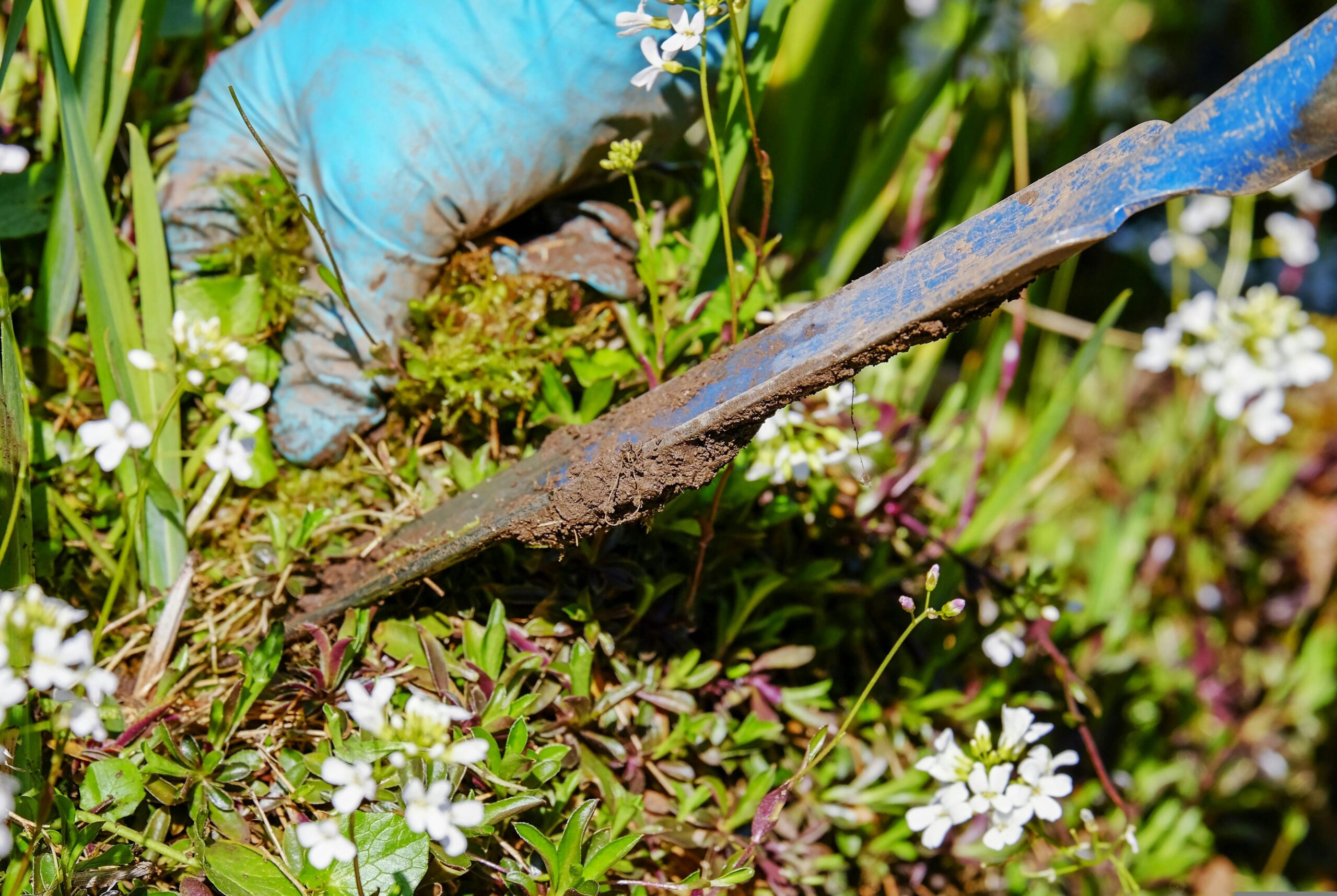
Between plantings, remove old roots and spent plants completely. Fluff the existing soil with a fork, breaking up compacted areas that restrict water and air movement.
Add fresh compost or potting mix to refresh containers before replanting. Over time, potting mix breaks down and loses structure, so completely replacing it every 1-2 years maintains optimal growing conditions.
Sanitize containers showing signs of disease or pest problems before replanting. A solution of one part bleach to nine parts water kills pathogens without leaving harmful residues.
🎯 Troubleshooting Common Seasonal Container Challenges
Each season brings unique challenges that container gardeners must address for optimal results.
Spring’s unpredictable temperature swings can damage tender plants. Keep frost cloth handy to protect containers during unexpected cold snaps, and be prepared to move pots to sheltered locations.
Summer heat stress causes wilting even with adequate water. Move containers to shadier locations during extreme heatwaves, and group pots together to create humidity and reduce water loss.
Fall brings shorter days that limit light availability. Position containers to maximize sun exposure, and bring light-hungry plants indoors if outdoor light becomes insufficient.
Winter frost heaves can crack containers and damage roots. Elevate pots on feet to improve drainage and reduce freeze-thaw cycles, or wrap containers with insulation in extremely cold climates.
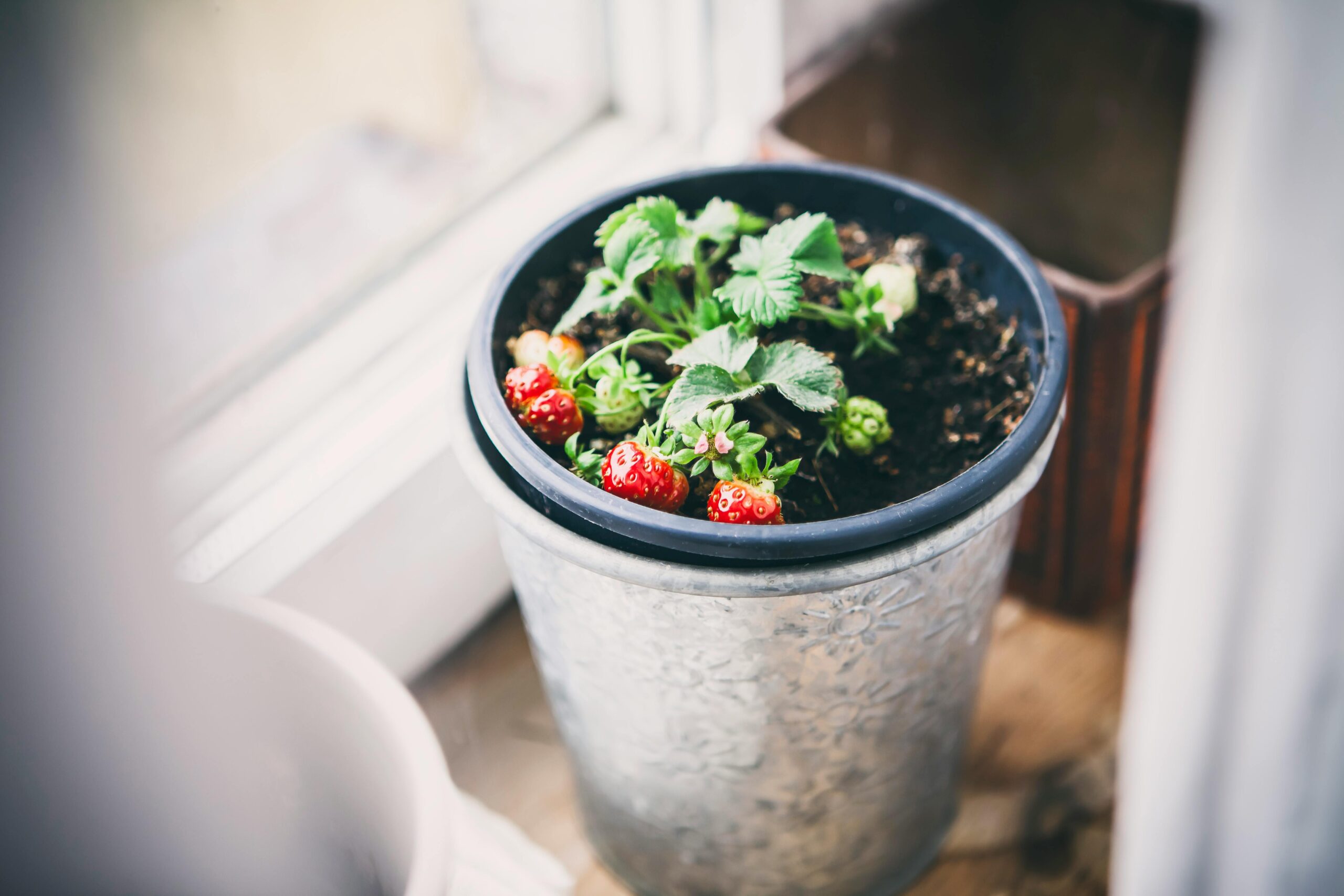
🌟 Bringing It All Together: Your Year-Round Container Garden
Mastering container gardening through all four seasons requires understanding the rhythms of nature while leveraging the flexibility that containers provide. By following this planting calendar and adjusting for your specific climate zone, you’ll enjoy continuous beauty and harvests regardless of the time of year.
Start small with just a few containers focused on your favorite plants, then expand as you gain confidence and experience. Keep a garden journal noting what works well in each season and which varieties perform best in your specific conditions.
Remember that container gardening is forgiving—mistakes are learning opportunities, and there’s always another planting season just around the corner. With this comprehensive calendar as your guide, you’re well-equipped to create stunning, productive container gardens that bring joy and abundance throughout the entire year.