Summer brings long, sunny days perfect for enjoying your outdoor space, but relentless heat can quickly turn your garden paradise into a scorched wasteland. Strategic shade solutions protect both plants and people while maintaining aesthetic appeal.

Creating a comfortable, thriving garden during the hottest months requires thoughtful planning and intelligent shade strategies. Whether you’re dealing with delicate perennials that wilt under direct sun or creating inviting spaces for outdoor entertaining, understanding how to manage sunlight exposure makes all the difference. The key lies in balancing protection with proper air circulation, choosing adaptable solutions, and working with your garden’s unique microclimate rather than against it.
🌿 Understanding Your Garden’s Sun Patterns
Before implementing any shade strategy, spend time observing how sunlight moves across your garden throughout the day. The summer sun follows a higher arc than during other seasons, creating different shadow patterns and exposure zones. Morning sun from the east tends to be gentler, while afternoon western exposure delivers the most intense, potentially damaging heat.
Take notes at different times—early morning, midday, and late afternoon—to map which areas receive full sun, partial shade, or dappled light. This baseline understanding helps you identify problem zones where plants struggle or where outdoor seating becomes unbearably hot. Consider taking photos from the same vantage point at different hours to create a visual record of your garden’s sun exposure patterns.
Southern exposures in the Northern Hemisphere receive the most intense, direct sunlight, while northern areas may already have natural shade. Eastern and western exposures each present unique challenges and opportunities for strategic shade implementation.
Living Shade: Strategic Tree and Shrub Placement 🌳
Trees represent the most natural and sustainable long-term shade solution for summer gardens. Deciduous trees offer the perfect seasonal adaptation—providing cooling shade during hot months while allowing warming sunlight through bare branches in winter. Species like maples, oaks, and ornamental cherries create beautiful canopies that filter harsh rays while maintaining good air circulation.
Position larger trees on the southern and western sides of your property to block the most intense afternoon sun. Remember that trees take years to mature, so combine them with faster-growing shrubs or temporary structures for immediate relief. Fast-growing options like river birch or certain willow varieties can provide meaningful shade within just a few seasons.
Smaller ornamental trees work beautifully near patios and seating areas, creating intimate shade pockets without overwhelming the space. Japanese maples, dogwoods, and serviceberries offer both shade and spectacular seasonal interest. Consider the mature canopy spread when planting—you want coverage without creating maintenance headaches with roots or branches too close to structures.
Layered Planting for Graduated Shade
Creating a tiered landscape with trees, tall shrubs, and understory plants mimics natural forest ecosystems while providing multiple levels of shade protection. This approach works especially well in larger gardens where you can establish diverse microclimates supporting different plant communities.
Tall shrubs like lilacs, viburnums, or hydrangeas planted beneath tree canopies create additional shade layers while adding texture and seasonal blooms. This graduated approach protects soil moisture, reduces water evaporation, and creates cooler ground-level temperatures that benefit the entire garden ecosystem.
Architectural Shade Solutions That Shine ☂️
Permanent and semi-permanent structures provide instant shade control exactly where you need it. Pergolas have become increasingly popular, offering customizable coverage that can support climbing plants for additional natural cooling. The open-roof design allows some sunlight penetration while significantly reducing heat intensity and creating defined outdoor rooms.
Shade sails present a modern, affordable alternative that’s particularly effective over patios, play areas, and vegetable gardens. These tensioned fabric structures come in various shapes, colors, and UV-blocking ratings. Their angular installation creates architectural interest while directing rainwater away from seating areas. Quality shade sails block 90-95% of harmful UV rays while remaining breathable and weather-resistant.
Retractable awnings offer maximum flexibility, extending during peak sun hours and retracting to allow warming sunlight during cooler mornings or cloudy days. Modern motorized versions can be programmed to respond automatically to temperature or sun sensors, providing smart shade without manual intervention.
Gazebos and Pavilions for Garden Focal Points
Freestanding structures create permanent shade islands within your garden landscape. A well-placed gazebo becomes a destination—a shaded retreat for reading, dining, or simply escaping the heat. These substantial investments add property value while providing year-round garden enjoyment.
Choose materials that complement your home’s architecture and existing garden style. Cedar and redwood offer natural weather resistance and beautiful aging characteristics, while powder-coated metal structures provide durability with minimal maintenance. Vinyl options resist rot and insects but may lack the aesthetic warmth of natural materials.
Temporary and Portable Shade Options 🏖️
Not every shade solution needs to be permanent. Portable options allow you to adapt protection as the season progresses, sun angles change, and plants grow. Large patio umbrellas with sturdy bases can be repositioned to follow shade needs throughout the day or moved entirely as your entertaining requirements change.
Pop-up canopies work beautifully for special events, providing instant coverage for garden parties or outdoor gatherings. While not designed as permanent fixtures, quality models withstand regular seasonal use and store compactly during off-months. Look for versions with vented tops that allow heat to escape and reduce wind resistance.
Folding screens and privacy panels serve double duty, creating shade while adding visual interest or blocking unsightly views. Bamboo, reed, or fabric panels can be positioned temporarily to protect vulnerable plants during heat waves or positioned semi-permanently to define garden spaces.
Vertical Gardening for Smart Shade Creation 🌱
Climbing plants trained on trellises, arbors, or wall-mounted supports create living shade curtains that cool through both physical blocking and evapotranspiration. This approach maximizes limited space while adding lush, green beauty that standard shade structures cannot match.
Annual vines like morning glories, scarlet runner beans, or hyacinth beans grow rapidly from seed, covering substantial areas in a single season. Perennial options such as climbing roses, clematis, or wisteria require more patience initially but return year after year with increasingly impressive displays.
Grapevines represent a particularly practical choice, offering shade, autumn color, and potential fruit harvests. Train them over pergolas or along fence lines to create productive, beautiful shade zones. Their deciduous nature means they provide summer cooling while allowing winter sunlight penetration.
Vertical Gardens and Green Walls
Wall-mounted planters and modular green wall systems transform vertical surfaces into shade-producing features. These space-efficient solutions work particularly well in urban gardens or small yards where ground space is limited. The dense planting absorbs heat, reduces wall temperatures, and creates cooling microclimates near seating areas.
Choose plants suited to vertical growing with compact root systems and appropriate sun tolerance. Ferns, succulents, herbs, and trailing flowers all adapt well to vertical installations. Ensure proper irrigation—drip systems or self-watering modules prevent maintenance headaches and ensure consistent moisture during hot weather.
Ground-Level Cooling Strategies That Matter 🌾
Shade doesn’t only come from above. Dense ground covers and strategic mulching create cooler soil temperatures that protect plant roots and reduce water evaporation. This often-overlooked approach complements overhead shade while improving overall garden health and resilience.
Thick organic mulch layers—2 to 4 inches of wood chips, shredded bark, or compost—insulate soil from temperature extremes while slowly releasing nutrients as they decompose. Mulch also suppresses weeds that compete for water and nutrients during stressful summer heat. Refresh mulch annually to maintain effective coverage and soil benefits.
Living ground covers like creeping thyme, sedum, or clover create dense mats that shade soil while adding texture and seasonal interest. These low-growing plants reduce soil temperature, prevent erosion, and often require less water than traditional lawns. Many ground covers tolerate foot traffic, making them practical for pathways and informal seating areas.
Protecting Your Most Vulnerable Plants 🌸
Even with garden-wide shade strategies, some plants need extra protection during peak summer heat. Newly transplanted specimens, container plants, and shade-loving perennials benefit from targeted temporary shading during the most intense weeks of summer.
Shade cloth suspended on stakes or simple frames provides adjustable protection that can be removed as temperatures moderate. Available in various densities from 30% to 90% shade, these breathable fabrics reduce light intensity without creating stagnant, humid conditions that encourage disease. Position cloth to block afternoon sun while allowing gentler morning light exposure.
Row covers designed for vegetable gardens work equally well protecting ornamental beds during heat waves. Lightweight fabrics rest directly on plants or suspend on hoops, creating a cooler microclimate while allowing rain and irrigation to penetrate. Remove covers during cooler periods to prevent moisture buildup and ensure adequate air circulation.
Container Garden Shade Tactics
Potted plants face unique summer challenges since containers heat faster and dry out more quickly than ground plantings. Group containers together so foliage from larger plants shades smaller pots, reducing soil temperature and water evaporation. Move portable containers to shadier locations during the hottest afternoon hours.
Double-potting provides insulation—place a smaller planted container inside a larger decorative pot with an air gap between them. This buffer zone reduces heat transfer to roots. Choose light-colored containers that reflect rather than absorb heat, or wrap dark pots with insulating materials during peak summer.
Water Features as Cooling Elements 💧
Moving water cools surrounding air through evaporation while creating a psychological cooling effect through sound and visual appeal. Even modest water features like small fountains or bubbling urns make nearby seating areas feel significantly more comfortable during hot weather.
Position water features where prevailing breezes will carry cooled, humidified air across seating areas or toward heat-stressed plantings. The gentle sound of trickling water creates a relaxing ambiance that enhances the sensory experience of your shaded garden retreats.
Consider biological benefits too—water features attract birds, beneficial insects, and other wildlife that contribute to a balanced garden ecosystem. Shallow edges allow creatures to drink safely while providing entertainment for human observers relaxing in nearby shade.
Smart Technology for Adaptive Shade Management 📱
Modern technology enables responsive shade systems that adapt automatically to changing conditions. Motorized retractable awnings, adjustable louver roofs, and automated shade sails can be programmed or controlled remotely to optimize comfort and plant protection throughout the day.
Integration with weather stations and temperature sensors allows systems to extend shade when heat thresholds are reached and retract during storms to prevent damage. Smart home systems can coordinate shade deployment with other cooling strategies like misting systems or fans for comprehensive climate management.
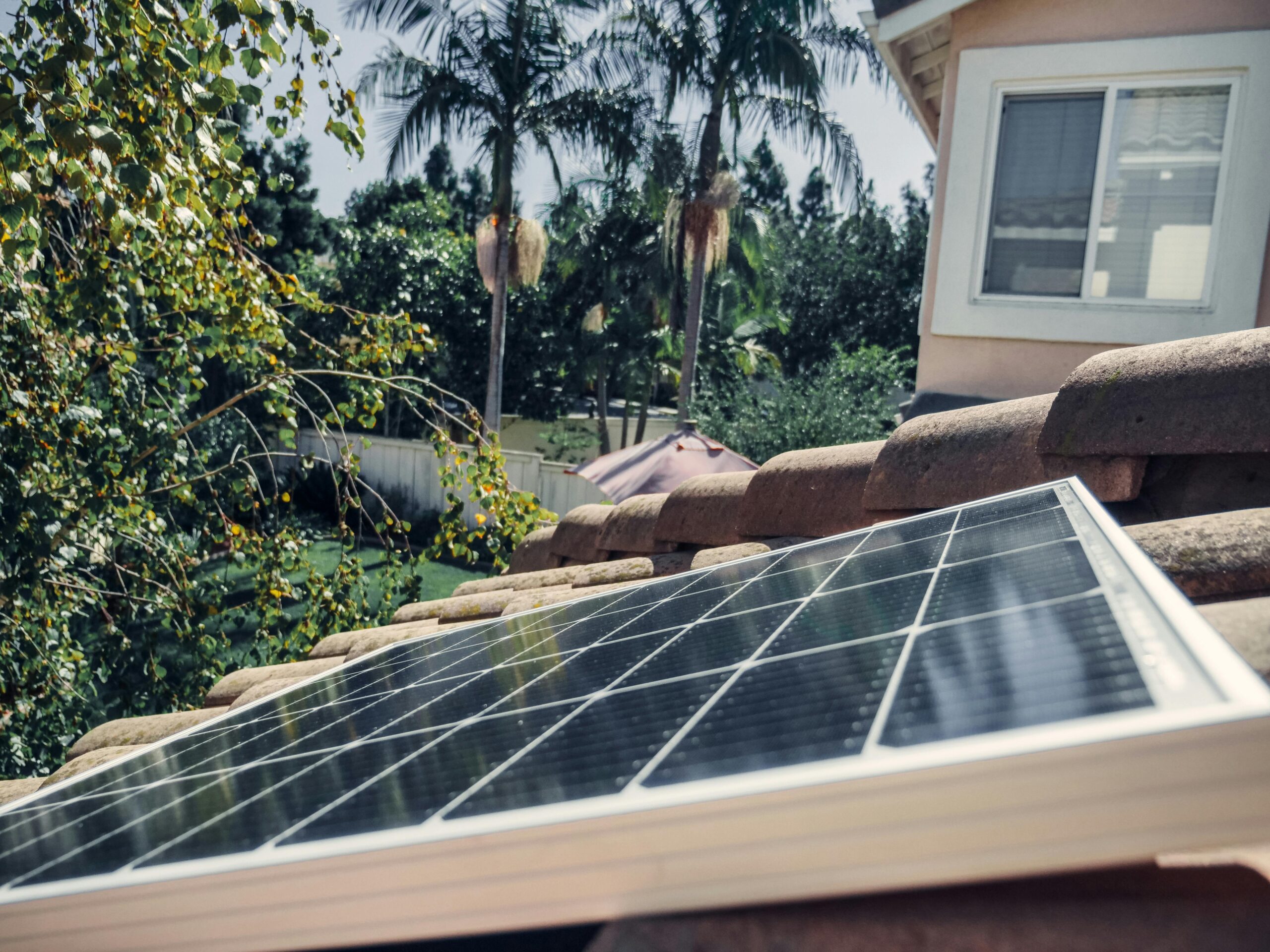
Solar-powered options reduce installation complexity and operating costs while aligning with sustainable garden practices. Photovoltaic panels integrated into shade structures serve dual purposes—generating electricity while providing coverage.
Creating Comfortable Outdoor Living Spaces 🛋️
The ultimate goal of summer shade strategies is creating spaces where people actually want to spend time. Combine overhead protection with comfortable seating, cooling elements, and thoughtful design to transform your garden into an outdoor living room that rivals indoor comfort.
Layer shade solutions for flexibility—a pergola with retractable canopy panels allows you to adjust coverage as needed. Add ceiling fans beneath covered areas to increase air circulation and enhance the cooling effect of shade. The combination of reduced solar radiation and moving air creates significantly more comfortable conditions than shade alone.
Consider sight lines and views when positioning shade structures. Frame desirable vistas while screening less attractive areas. Use shade elements to create intimacy in larger gardens or define functional zones like dining areas, lounging spaces, and play zones.
Extending Usable Hours Through Strategic Lighting
Once you’ve created comfortable shaded spaces for daytime use, extend their functionality into evening hours with thoughtful lighting. String lights, lanterns, or integrated LED fixtures transform shaded retreats into magical nighttime destinations. Solar-powered options charge during the day and illuminate automatically at dusk without requiring electrical installation.
Lighting integrated into shade structures enhances safety while creating ambiance. Up-lighting beneath pergolas highlights architectural features and climbing plants, while downlighting provides practical illumination for dining and entertaining.
Seasonal Adaptability and Year-Round Planning 🍂
The most successful shade strategies consider seasonal changes and plan for year-round garden enjoyment. Deciduous plants and removable structures provide summer cooling without blocking desirable winter sunlight. This adaptability is especially important for passive solar home design where seasonal sun angles affect indoor comfort and energy efficiency.
Plan for shoulder seasons too—spring and fall often bring pleasant temperatures where full shade becomes less necessary. Adjustable systems allow you to welcome warming spring sun while maintaining flexibility to deploy protection during unexpected late-season heat waves.
Winter maintenance prepares shade systems for peak summer performance. Inspect structural components, clean fabric elements, and repair or replace damaged materials before the busy growing season arrives. Prune trees and shrubs to maintain desired shade patterns and remove deadwood that could become hazardous during summer storms.
Balancing Shade With Garden Health 🌺
While shade protects from excessive heat, too much creates problems including reduced flowering, leggy growth, and increased disease susceptibility. Strike a balance that provides human comfort and plant protection without eliminating necessary sunlight for photosynthesis and healthy development.
Dappled or filtered shade often provides the ideal compromise—reducing heat stress while maintaining adequate light for most garden plants. Trees with fine-textured foliage or open canopies create this beneficial light pattern naturally. Lattice panels or pergolas with widely-spaced slats achieve similar effects with architectural elements.
Monitor plant responses to your shade strategies and adjust as needed. Signs of excessive shade include pale or yellowing foliage, elongated stems reaching toward light, reduced flowering, and increased susceptibility to fungal diseases. Conversely, scorched leaf edges, wilting despite adequate water, and bleached foliage indicate insufficient protection.
Making Your Garden a Cool Summer Sanctuary 🌈
Transforming your summer garden with smart shade strategies creates a more resilient landscape that thrives despite challenging conditions while providing comfortable spaces for human enjoyment. The investment in thoughtful shade solutions pays dividends through reduced water consumption, healthier plants, extended outdoor living seasons, and increased property value.
Start with observation and assessment, understanding your garden’s unique patterns before implementing solutions. Combine immediate temporary measures with longer-term structural and botanical approaches for comprehensive coverage. Remember that effective shade management involves not just blocking sunlight but creating cooler microclimates through multiple complementary strategies.
Your summer garden should be a sanctuary from heat rather than a victim of it. With creative combinations of living plants, architectural elements, and adaptive technologies, you can cultivate outdoor spaces that remain cool, comfortable, and beautiful throughout even the hottest months. The result is a garden that truly functions as an extension of your living space—a place where plants flourish and people gather, regardless of what the thermometer reads.