Watering plants seems simple, but it’s one of the most common challenges for gardeners. Understanding soil moisture is the key to keeping your plants thriving and avoiding the pitfalls of overwatering or underwatering.

Every plant lover knows the frustration of watching their beloved greenery wilt, yellow, or simply fail to thrive despite their best efforts. The secret to successful plant care isn’t just about following a rigid watering schedule—it’s about understanding the unique moisture needs of your soil and plants. By mastering soil moisture management, you’ll transform your approach to gardening and cultivate healthier, more vibrant plants that flourish year-round.
🌱 Why Soil Moisture Matters More Than You Think
Soil moisture represents the amount of water held in the spaces between soil particles, and it’s absolutely critical for plant health. When soil moisture levels are optimal, plant roots can efficiently absorb water along with essential nutrients dissolved in that water. This process fuels photosynthesis, supports cell structure, and enables all the metabolic processes that keep plants alive.
The challenge lies in achieving that perfect balance. Too much water fills all the air pockets in soil, suffocating roots and creating conditions for root rot and fungal diseases. Too little water stresses plants, causing wilting, stunted growth, and eventually death. Different plants have evolved to thrive in different moisture conditions, which is why a one-size-fits-all approach to watering simply doesn’t work.
Understanding soil moisture helps you move beyond guesswork and develop an intuitive sense of what your plants need. This knowledge becomes particularly valuable when you’re caring for diverse plant collections with varying requirements, from succulents that prefer dry conditions to ferns that demand consistent moisture.
The Science Behind Soil Water Retention
Not all soils are created equal when it comes to holding water. Soil composition dramatically affects moisture retention, drainage, and availability to plant roots. Clay soils have tiny particles packed closely together, creating small pore spaces that hold water tightly. These soils retain moisture for extended periods but can become waterlogged and compacted.
Sandy soils sit at the opposite end of the spectrum, with large particles and big spaces between them. Water drains quickly through sandy soil, which prevents waterlogging but requires more frequent watering. Loamy soil—the gardener’s gold standard—combines sand, silt, and clay in ideal proportions, offering excellent drainage while retaining adequate moisture.
Organic matter plays a crucial role in soil moisture management regardless of your base soil type. Compost, peat moss, and decomposed plant material act like sponges, absorbing water and releasing it gradually to plant roots. Adding organic matter to your soil improves its structure and water-holding capacity, creating an environment where plants can thrive.
🔍 How to Accurately Assess Soil Moisture
The finger test remains the most accessible method for checking soil moisture. Insert your finger into the soil up to the second knuckle (about two inches deep). If the soil feels dry at that depth, it’s usually time to water. If it feels moist or cool, wait another day or two before checking again.
However, the finger test has limitations, especially for deep-rooted plants or large containers where moisture levels vary significantly at different depths. This is where technology can help. Soil moisture meters provide objective readings that eliminate guesswork, measuring moisture levels at various depths with a simple probe insertion.
Visual cues from your plants also indicate moisture status. Wilting leaves, especially in the morning when temperatures are cool, signal water stress. Yellowing leaves that feel soft and mushy suggest overwatering. Dry, brown leaf edges can indicate either underwatering or salt buildup from excessive fertilization combined with inadequate watering.
The weight method works exceptionally well for container plants. Lift your potted plants regularly to get a sense of their weight when fully watered versus when they need water. A significantly lighter pot indicates dry soil, while a heavy pot suggests adequate moisture. This tactile approach becomes increasingly intuitive with practice.
Smart Watering Techniques for Different Plant Types
Succulents and cacti have evolved to survive in arid environments, storing water in their thick leaves and stems. These plants require infrequent, deep watering that thoroughly saturates the soil, followed by a complete drying period. Water succulents only when the soil is completely dry, typically every two to three weeks during the growing season and even less frequently in winter.
Tropical plants like monsteras, philodendrons, and pothos prefer consistently moist but not waterlogged soil. Water these plants when the top inch or two of soil feels dry to the touch. They benefit from higher humidity levels, so consider misting or using a pebble tray with water beneath the pot to increase ambient moisture around the foliage.
Ferns and moisture-loving plants need consistently damp soil and high humidity. Check these plants more frequently and never allow the soil to dry out completely. Mulching the soil surface helps retain moisture and reduces watering frequency while maintaining the constant dampness these plants crave.
Vegetables and herbs have diverse moisture needs depending on the species. Tomatoes, peppers, and cucumbers need consistent moisture for fruit development, while herbs like rosemary and thyme prefer drier conditions. Understanding the native habitats of your plants provides valuable clues about their moisture preferences.
💧 The Perfect Watering Schedule Doesn’t Exist
Many gardening guides recommend watering on specific days or at set intervals, but rigid schedules often cause more harm than good. Environmental factors constantly change, affecting how quickly soil dries out. Temperature, humidity, air circulation, sunlight exposure, plant size, and growth stage all influence water consumption rates.
During hot summer months, plants may need water daily or even twice daily, especially in containers. In winter, when growth slows and evaporation rates decrease, the same plants might need water only once every week or two. A plant actively producing flowers or fruit requires more water than the same plant in a dormant or slow-growth phase.
Instead of following a calendar, respond to what your plants and soil tell you. Regular observation and soil moisture checks create a dynamic, responsive watering routine that adapts to changing conditions. This approach ensures plants receive water when they need it, not just because it’s “watering day.”
Technology Tools That Take the Guesswork Out
Modern technology has revolutionized plant care, making moisture monitoring more accurate and convenient than ever. Basic analog moisture meters provide instant readings without batteries, using a probe that measures electrical resistance in the soil. These affordable tools work well for quick checks across multiple plants.
Digital soil moisture sensors offer greater precision and often include additional measurements like light levels, temperature, and soil pH. Some connect to smartphone apps that track moisture trends over time, send watering reminders, and provide plant-specific care recommendations based on your exact conditions.
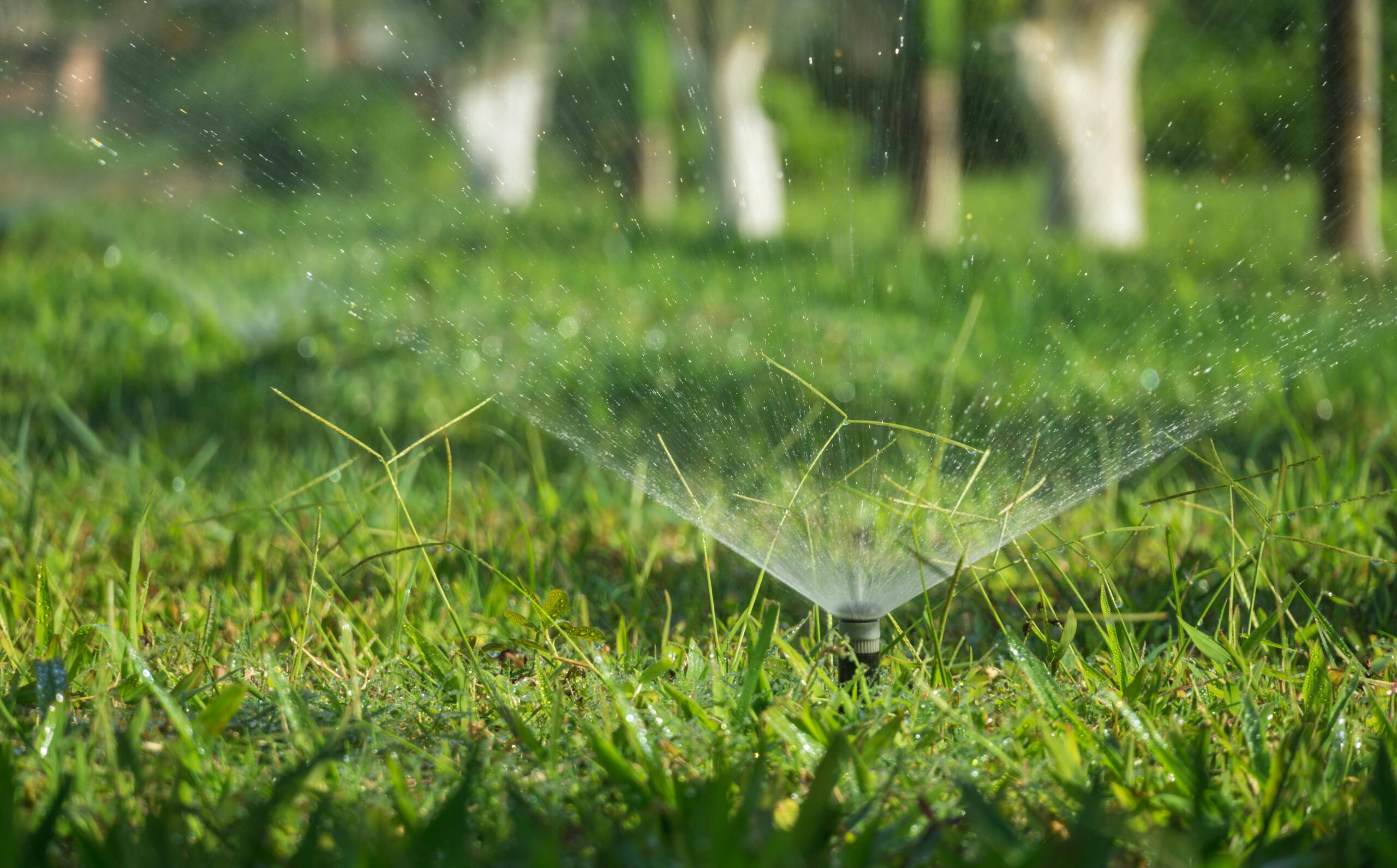
Smart watering systems represent the cutting edge of irrigation technology. These systems use soil sensors connected to automated watering mechanisms that deliver precise amounts of water when soil moisture drops below optimal levels. While more expensive, they’re ideal for large gardens, vacation homes, or gardeners who travel frequently.
🌿 Common Soil Moisture Mistakes and How to Avoid Them
Overwatering ranks as the number one killer of houseplants, yet well-meaning plant parents continue making this mistake. The desire to nurture often manifests as excessive watering, drowning roots and creating anaerobic conditions where harmful bacteria thrive. Always check soil moisture before watering rather than following an arbitrary schedule.
Surface watering represents another common error. Light, frequent watering wets only the top layer of soil, encouraging shallow root development. Roots grow where water is available, so shallow watering creates weak root systems vulnerable to stress. Instead, water deeply and less frequently, ensuring moisture reaches the entire root zone.
Ignoring drainage is a critical mistake that undermines even the best watering practices. Pots without drainage holes trap excess water, creating perpetually soggy conditions regardless of how carefully you water. Always use containers with drainage holes and place saucers beneath them to catch excess water, emptying the saucers after watering.
Using cold water straight from the tap can shock plant roots, especially for tropical species. Allow water to reach room temperature before watering, or fill watering cans in advance so water naturally warms. This simple step prevents temperature stress and improves water absorption.
Seasonal Adjustments for Optimal Moisture Management
Spring brings active growth and increasing water needs as plants emerge from winter dormancy. Days lengthen, temperatures rise, and plants channel energy into producing new foliage, flowers, and roots. Gradually increase watering frequency as you observe new growth, but continue monitoring soil moisture to avoid overcompensating.
Summer presents the greatest watering challenges, with high temperatures, intense sunlight, and rapid evaporation. Container plants especially suffer during hot weather, sometimes requiring twice-daily watering. Morning watering allows foliage to dry before evening, reducing disease risk, while evening watering helps plants recover from daily heat stress.
Autumn signals slowing growth and decreasing water requirements. As temperatures cool and days shorten, plants gradually enter dormancy. Reduce watering frequency accordingly, allowing soil to dry more thoroughly between waterings. This natural slowdown helps plants prepare for winter rest.
Winter demands the lightest watering of all seasons for most indoor and dormant outdoor plants. Cold temperatures, reduced light, and dormancy combine to minimize water consumption dramatically. Overwatering during winter is extremely common and particularly damaging, as cool, wet conditions promote root rot. Check soil moisture carefully and water sparingly.
🏡 Container vs. Ground: Different Moisture Dynamics
Container plants exist in an artificial environment where moisture dynamics differ significantly from ground planting. Pots have limited soil volume, which dries out faster than the ground but can also become waterlogged more easily. The material of your container affects moisture retention—terracotta breathes and dries quickly, while plastic and glazed ceramic retain moisture longer.
Root-bound plants in containers present special challenges. When roots fill the entire pot, water runs through without being absorbed, leaving soil dry even after watering. If water immediately flows out the drainage holes when you water, the plant likely needs repotting into a larger container with fresh soil.
Ground-planted gardens benefit from natural moisture wicking from surrounding soil and deeper moisture reserves that roots can access during dry periods. However, they’re also subject to competition from neighboring plants and trees with extensive root systems. Mulching garden beds helps retain moisture, regulate soil temperature, and reduce watering frequency.
Creating the Ideal Soil Mix for Moisture Balance
The foundation of good moisture management starts with proper soil composition. Pre-made potting mixes vary widely in quality and drainage characteristics. High-quality mixes contain a balance of materials that provide structure, drainage, and water retention without compacting over time.
For most houseplants, a blend of peat moss or coir (for water retention), perlite or pumice (for drainage), and compost or worm castings (for nutrients) creates an ideal growing medium. Adjust ratios based on plant preferences—succulents need extra drainage materials, while moisture-loving plants benefit from additional water-retentive components.
Soil amendments improve existing garden soil by addressing drainage or retention issues. Adding sand to clay soil improves drainage but requires large quantities to make a difference—often one-third sand by volume. Incorporating organic matter works better for most situations, improving both drainage in clay soils and water retention in sandy soils.
🌞 Environmental Factors That Impact Soil Moisture
Light intensity directly correlates with water consumption. Plants in bright, direct light photosynthesize more actively and transpire more water through their leaves, requiring more frequent watering. The same plant in lower light conditions uses less water and needs less frequent watering, even though it’s the same species in the same pot.
Temperature affects both evaporation rates and plant metabolic activity. Higher temperatures accelerate soil drying and increase plant water usage, while cooler temperatures slow both processes. Air conditioning and heating systems create artificially dry indoor environments that increase evaporation, especially in winter when humidity naturally drops.
Humidity levels significantly influence how quickly soil dries and how much water plants lose through transpiration. In dry environments, plants transpire more rapidly, drawing more moisture from soil. Grouping plants together creates a microclimate with higher humidity, reducing individual water needs slightly.
Air circulation, while beneficial for preventing fungal diseases, accelerates soil drying. Plants near heating vents, fans, or breezy windows dry out faster than those in still air. Consider these positioning factors when determining watering frequency for individual plants in different locations.
Troubleshooting Moisture-Related Plant Problems
Root rot manifests as yellowing leaves, wilting despite wet soil, and a foul smell from the soil. This fungal condition results from prolonged overwatering and poor drainage. Treatment involves removing the plant from wet soil, trimming away rotted roots with sterile scissors, and repotting in fresh, well-draining soil. Reduce watering frequency going forward.
Leaf drop often indicates moisture stress, either from too much or too little water. Consistent underwatering causes leaves to drop as the plant conserves resources. Overwatering leads to root damage that prevents water uptake, paradoxically creating drought symptoms. Assess soil moisture and adjust your watering routine accordingly.
Salt buildup appears as white crusty deposits on soil surfaces or pot rims, caused by minerals in tap water and fertilizers accumulating in soil. This condition affects moisture dynamics and can damage roots. Flush soil periodically with distilled water or rainwater to remove excess salts, allowing water to run through thoroughly.
🎯 Building Your Personal Soil Moisture Expertise
Developing true expertise with soil moisture management requires patience, observation, and willingness to learn from mistakes. Start keeping a simple plant journal noting when you water each plant, soil moisture levels, and plant responses. Over time, patterns emerge that reveal each plant’s unique rhythm and preferences.
Pay attention to microclimates within your home or garden. That sunny south-facing window creates different conditions than a north-facing room. The plant sitting directly under an air vent has different needs than its neighbor three feet away. Understanding these variations allows you to fine-tune care for each location.
Don’t fear making mistakes—they’re valuable learning opportunities. An overwatered plant teaches you what excess moisture looks like, while an underwatered plant shows drought stress symptoms. These experiences build the intuitive understanding that transforms adequate plant care into masterful cultivation.
Consider starting with more forgiving plants while you develop your skills. Pothos, snake plants, and ZZ plants tolerate occasional watering mistakes better than finicky species. As your confidence and expertise grow, gradually introduce plants with more demanding moisture requirements.
The Long-Term Benefits of Proper Moisture Management
Plants grown with optimal soil moisture develop strong, extensive root systems that support robust growth and resilience. These healthy plants resist pests and diseases better than stressed plants, requiring fewer interventions and less worry. You’ll spend less money replacing dead plants and more time enjoying thriving greenery.
Water conservation becomes a natural outcome of improved moisture management. By watering only when needed and ensuring water reaches root zones effectively, you reduce waste while improving plant health. This environmentally responsible approach benefits both your garden and the planet.
The confidence that comes from understanding soil moisture transforms your relationship with plants. Instead of anxiety about whether you’re watering correctly, you develop an assured, intuitive approach to plant care. This mastery allows you to expand your collection, experiment with challenging species, and share your knowledge with fellow plant enthusiasts.
Mastering soil moisture management isn’t about following rigid rules—it’s about developing sensitivity to your plants’ needs and responding appropriately. By combining knowledge of soil science, observation skills, and appropriate tools, you create the perfect watering routine for your unique situation. Your plants will reward this attention with vigorous growth, vibrant foliage, and the satisfaction that comes from truly excellent plant care. 🌿