Understanding soil composition and proper watering techniques are fundamental pillars of successful gardening. These two elements work together to create the perfect environment where plants can flourish, roots can expand, and gardens can transform into vibrant ecosystems.

Whether you’re a beginner gardener or someone looking to improve their green thumb, mastering these essential skills will revolutionize how you care for your plants. The difference between thriving gardens and struggling plants often comes down to understanding what’s happening beneath the surface and delivering water in ways that truly benefit your plants.
🌱 Understanding the Foundation: Why Soil Types Matter
Soil is far more than just dirt—it’s a complex living ecosystem that determines whether your plants will thrive or merely survive. The composition of your soil affects everything from drainage and aeration to nutrient availability and root development. Different soil types have distinct characteristics that directly impact how water moves through them and how long moisture remains available to plant roots.
The texture, structure, and composition of soil create unique growing conditions that require tailored watering approaches. When you understand your soil type, you gain insight into how frequently to water, how much water to apply, and what amendments might improve your garden’s performance.
The Main Soil Types Every Gardener Must Know
Sandy Soil: The Fast-Draining Challenge
Sandy soil consists of larger particles that create generous spaces between them, resulting in excellent drainage but poor water retention. This soil type feels gritty when rubbed between your fingers and doesn’t hold its shape when squeezed into a ball.
The primary challenge with sandy soil is its inability to retain moisture and nutrients. Water passes through quickly, often carrying dissolved nutrients away before plants can absorb them. However, sandy soil warms up quickly in spring and is easy to work with, making it ideal for certain crops like carrots, radishes, and other root vegetables that prefer well-drained conditions.
For sandy soil, frequent but lighter watering works best. Consider watering more often with smaller amounts rather than infrequent heavy watering. Adding organic matter such as compost, aged manure, or peat moss significantly improves water retention while maintaining good drainage.
Clay Soil: The Water-Holding Heavyweight
Clay soil features tiny, tightly packed particles that create a dense, heavy texture. When wet, clay becomes sticky and moldable; when dry, it becomes hard and can crack. This soil type excels at holding water and nutrients but struggles with drainage and aeration.
Plants growing in clay soil face unique challenges. While moisture availability isn’t typically a problem, roots may struggle to penetrate the dense structure, and excess water can lead to root rot and fungal diseases. Clay soil also takes longer to warm up in spring, potentially delaying planting schedules.
Watering clay soil requires patience and precision. Deep, infrequent watering encourages roots to grow deeper while preventing surface waterlogging. Always allow the soil to dry somewhat between watering sessions. Improving clay soil with organic amendments, sand, and gypsum can enhance its structure over time.
Loamy Soil: The Gardener’s Dream 🎯
Loam represents the ideal balance between sand, silt, and clay particles. This soil type combines the best characteristics of each component: good drainage from sand, moisture retention from clay, and fertility from silt. Loamy soil feels slightly gritty yet somewhat smooth, and it forms a loose ball when squeezed that crumbles easily.
Most plants thrive in loamy soil because it provides excellent structure, proper drainage, adequate moisture retention, and good nutrient availability. The soil warms reasonably quickly in spring and remains workable throughout most of the growing season.
While loamy soil is more forgiving, it still benefits from regular organic matter additions and appropriate watering practices. Monitor moisture levels and adjust watering based on weather conditions and plant requirements.
Silty Soil: The Smooth Operator
Silt particles fall between sand and clay in size, creating a smooth, almost flour-like texture when dry. Silty soil retains moisture better than sand but drains better than clay, though it can compact easily and may form a crust on the surface after heavy rain or irrigation.
This soil type is naturally fertile and suitable for most garden plants. However, its tendency to compact requires careful management to maintain good structure and prevent drainage problems. Avoid working silty soil when it’s too wet, as this accelerates compaction.
Watering silty soil works best with moderate applications that penetrate deeply without causing surface crusting. Breaking up any surface crust allows better water infiltration and air exchange.
💧 The Science of Watering: Beyond the Basics
Proper watering involves much more than simply applying water to your plants. Understanding how water moves through soil, how plants absorb moisture, and what factors influence water requirements will transform your gardening success.
How Plants Actually Use Water
Plants continuously draw water from the soil through their root systems, transporting it throughout their tissues to support various physiological processes. Water enables photosynthesis, transports nutrients, maintains cell structure, regulates temperature through transpiration, and facilitates countless biochemical reactions.
The majority of water absorbed by plants eventually evaporates through tiny pores called stomata on leaf surfaces. This transpiration process creates a continuous pull that draws water and dissolved nutrients from the soil through the roots and up to all plant parts.
Understanding this process helps explain why both underwatering and overwatering cause problems. Insufficient water means plants can’t perform essential functions, while excessive water drowns roots by eliminating air spaces in the soil, preventing oxygen uptake necessary for root respiration.
Factors That Influence Water Needs
Multiple variables determine how much and how often you should water your garden. Temperature significantly affects evaporation rates and plant transpiration—hotter weather increases water demand substantially. Humidity levels influence how quickly moisture evaporates from soil and plant surfaces, with dry air increasing water requirements.
Wind accelerates moisture loss through both soil evaporation and plant transpiration, sometimes dramatically increasing watering needs. Plant size, stage of growth, and species all affect water consumption, with larger plants, flowering or fruiting plants, and actively growing plants generally requiring more moisture.
Sunlight exposure determines evaporation rates and plant water use, with full-sun gardens needing considerably more water than shaded areas. Container plants typically require more frequent watering than in-ground plants because their limited soil volume holds less moisture reserve.
Mastering Watering Techniques for Different Soil Types
Testing Soil Moisture: Know Before You Water
Developing the ability to accurately assess soil moisture prevents both underwatering and overwatering. The finger test remains one of the most reliable methods—insert your finger into the soil to a depth of 2-3 inches. If the soil feels dry at this depth, it’s time to water; if it’s still moist, wait another day or two.
For deeper assessment, use a soil probe or moisture meter to check moisture levels at root depth. These tools prove especially valuable for clay soils where surface conditions may differ significantly from conditions deeper down.
Observing plant behavior also provides clues about moisture status. Wilting, especially in the morning when temperatures are cooler, indicates water stress. However, don’t wait for obvious wilting—consistent slight water stress reduces plant vigor and productivity over time.
Watering Depth and Frequency Guidelines
Deep, infrequent watering encourages deeper root growth, creating more drought-resistant plants. Shallow, frequent watering keeps roots near the surface where they’re vulnerable to heat stress and inconsistent moisture levels.
For most garden plants, aim to moisten the soil to a depth of 6-8 inches with each watering session. This typically requires applying about one inch of water for loamy soil, though sandy soil may need slightly more and clay soil slightly less to reach the same depth.
Frequency depends on your soil type, weather conditions, and plant needs. Sandy soil gardens might need watering every 2-3 days during hot weather, while clay soil gardens might go a week or more between sessions. Always adjust based on actual soil moisture rather than following a rigid schedule.
The Best Times to Water Your Garden ⏰
Early morning watering offers numerous advantages: cooler temperatures reduce evaporation loss, plants have moisture available before heat stress begins, and foliage has time to dry before evening, reducing disease risk. Morning watering allows plants to absorb moisture before the day’s demands begin.
Late afternoon or early evening watering works as a second-best option if morning watering isn’t possible. However, ensure enough time remains for foliage to dry before dark to minimize fungal disease problems.
Avoid midday watering when temperatures peak—much of the applied water evaporates before reaching plant roots, wasting this precious resource. Night watering, while less wasteful due to low evaporation, keeps foliage wet for extended periods, promoting fungal diseases.
Advanced Watering Methods for Optimal Results
Drip Irrigation: Precision Water Delivery
Drip irrigation systems deliver water directly to the root zone through a network of tubes and emitters, minimizing waste through evaporation and runoff. This method proves especially effective for clay soils where slow water application prevents runoff, and for sandy soils where frequent, controlled watering maintains consistent moisture.
The initial investment in drip irrigation pays dividends through water conservation, improved plant health, reduced disease pressure, and time savings. Modern systems can include timers and moisture sensors for automated, responsive watering.
Soaker Hoses: Simple and Effective
Soaker hoses provide a more affordable alternative to drip irrigation while still delivering water efficiently. These porous hoses allow water to seep slowly along their entire length, moistening the soil gradually and deeply.
Position soaker hoses near plant bases and cover them with mulch to reduce evaporation. They work particularly well in vegetable gardens and perennial beds where plant arrangements remain relatively stable.
Hand Watering and Overhead Sprinklers
Hand watering offers maximum control and allows you to target specific plants with varying needs. This method works well for container gardens, small beds, and newly transplanted seedlings requiring gentle, precise watering.
Overhead sprinklers cover large areas quickly but waste significant water through evaporation and overspray. They also wet foliage, potentially promoting disease. Use overhead watering mainly for lawns and established gardens where efficiency matters less than coverage.
🌿 Improving Your Soil for Better Water Management
The Magic of Organic Matter
Adding organic matter represents the single most effective improvement for any soil type. Compost, aged manure, leaf mold, and other organic materials improve sandy soil by increasing water and nutrient retention while enhancing clay soil by improving drainage and structure.
Apply a 2-4 inch layer of organic matter annually, working it into the top 6-8 inches of soil. Over time, this practice transforms even problematic soils into productive growing environments.
Mulching: Your Garden’s Water-Saving Secret Weapon
Mulch creates a protective layer that dramatically reduces soil moisture evaporation, moderates soil temperature, suppresses weeds that compete for water, and gradually improves soil as it decomposes.
Apply 2-4 inches of organic mulch such as wood chips, shredded bark, straw, or leaves around plants, keeping it slightly away from plant stems to prevent rot. Replenish mulch as it decomposes to maintain its water-conserving benefits.
Troubleshooting Common Watering Problems
Recognizing Overwatering Signs
Overwatering causes just as many problems as underwatering, though gardeners often misinterpret the symptoms. Yellowing leaves, especially on lower portions of plants, often indicate overwatering rather than nutrient deficiency. Wilting despite wet soil, moldy or fungal growth on the soil surface, and soft, mushy roots all signal excessive moisture.
If you’ve overwatered, improve drainage by working in organic matter, creating raised beds, or installing drainage tiles. Reduce watering frequency and amount, allowing soil to dry more between sessions.
Addressing Underwatering Issues
Consistent underwatering stunts plant growth and reduces productivity. Signs include persistent wilting, especially during cooler parts of the day, dry and brittle leaves, poor growth, and early leaf drop.
Correct chronic underwatering by increasing watering frequency and duration, improving soil water retention with organic matter, and applying mulch to reduce evaporation. Consider installing irrigation systems for more consistent moisture delivery.
Creating Your Customized Watering Strategy 🎨
Developing an effective watering routine requires observing your specific garden conditions and adjusting based on what you learn. Start by determining your soil type through simple tests—squeeze moist soil into a ball and note how it behaves when you open your hand.
Monitor your garden regularly, checking soil moisture at root depth before watering. Keep notes about watering frequency, amounts, and plant responses to identify patterns and refine your approach.
Adjust your strategy seasonally—spring often requires less frequent watering as temperatures remain moderate and rainfall may be adequate. Summer typically demands more attention as heat and plant growth peak. Fall watering helps plants prepare for winter, while winter watering may only be necessary during dry spells for evergreens and recently planted specimens.
Group plants with similar water requirements together to simplify watering and prevent over or underwatering certain plants. This hydrozoning approach increases efficiency and improves plant health across your entire garden.
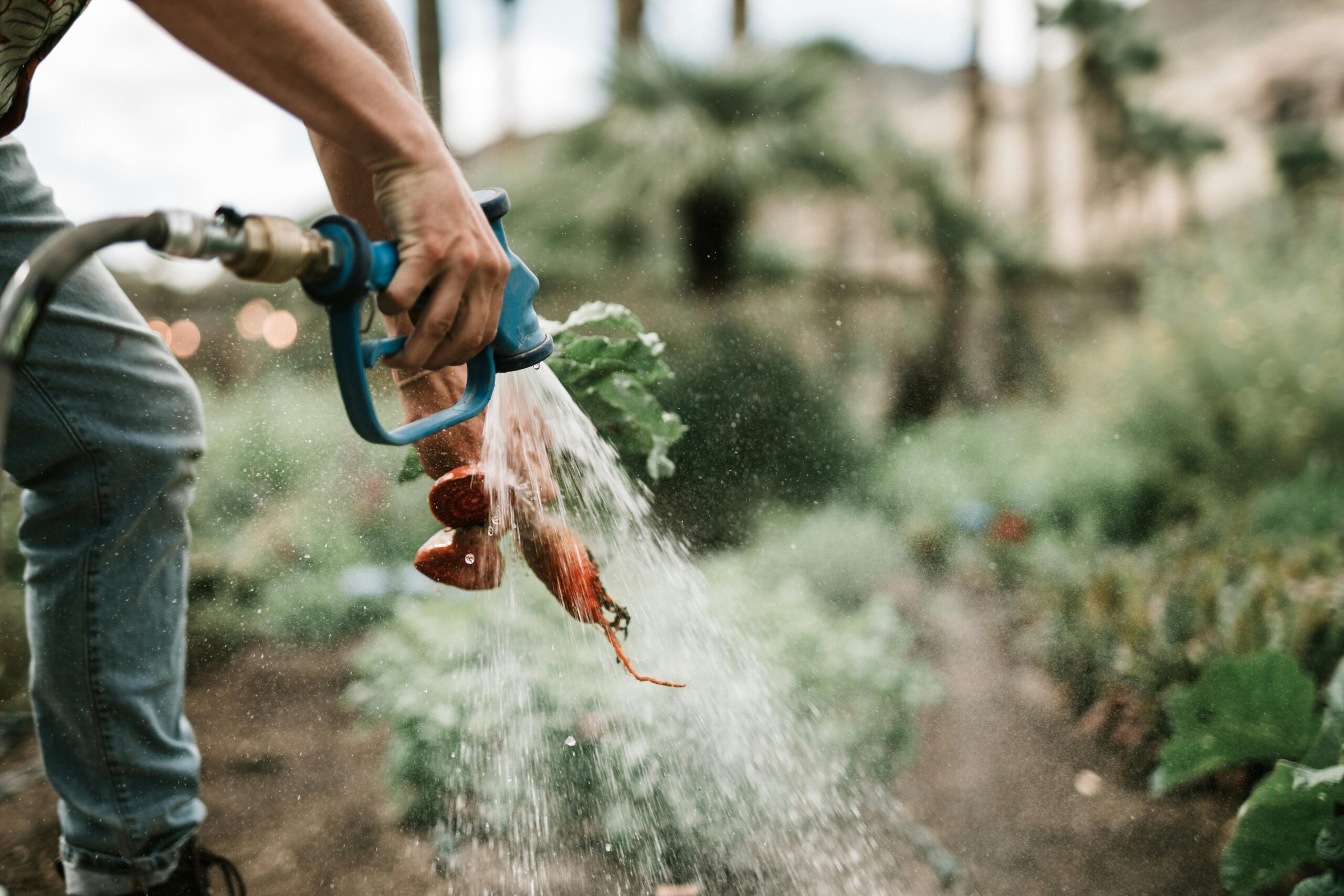
Sustainable Water Management for the Future 🌍
As water becomes increasingly precious, implementing conservation strategies benefits both your garden and the environment. Collect rainwater in barrels or cisterns for irrigation use—this free, chlorine-free water benefits plants while reducing your water bills and environmental footprint.
Consider drought-tolerant plants for portions of your garden, especially areas where consistent watering proves challenging. Once established, these plants require minimal supplemental irrigation even during dry periods.
Install rain sensors on automatic irrigation systems to prevent watering during or after rainfall. Regularly check and maintain irrigation systems to eliminate leaks and ensure efficient operation.
By understanding your soil type and mastering appropriate watering techniques, you create the foundation for a thriving garden that rewards your efforts with abundant growth, beautiful blooms, and bountiful harvests. These fundamental skills, refined through observation and practice, transform gardening from guesswork into a rewarding art form where both plants and gardeners flourish together.